




 Search for articles or Rx savings


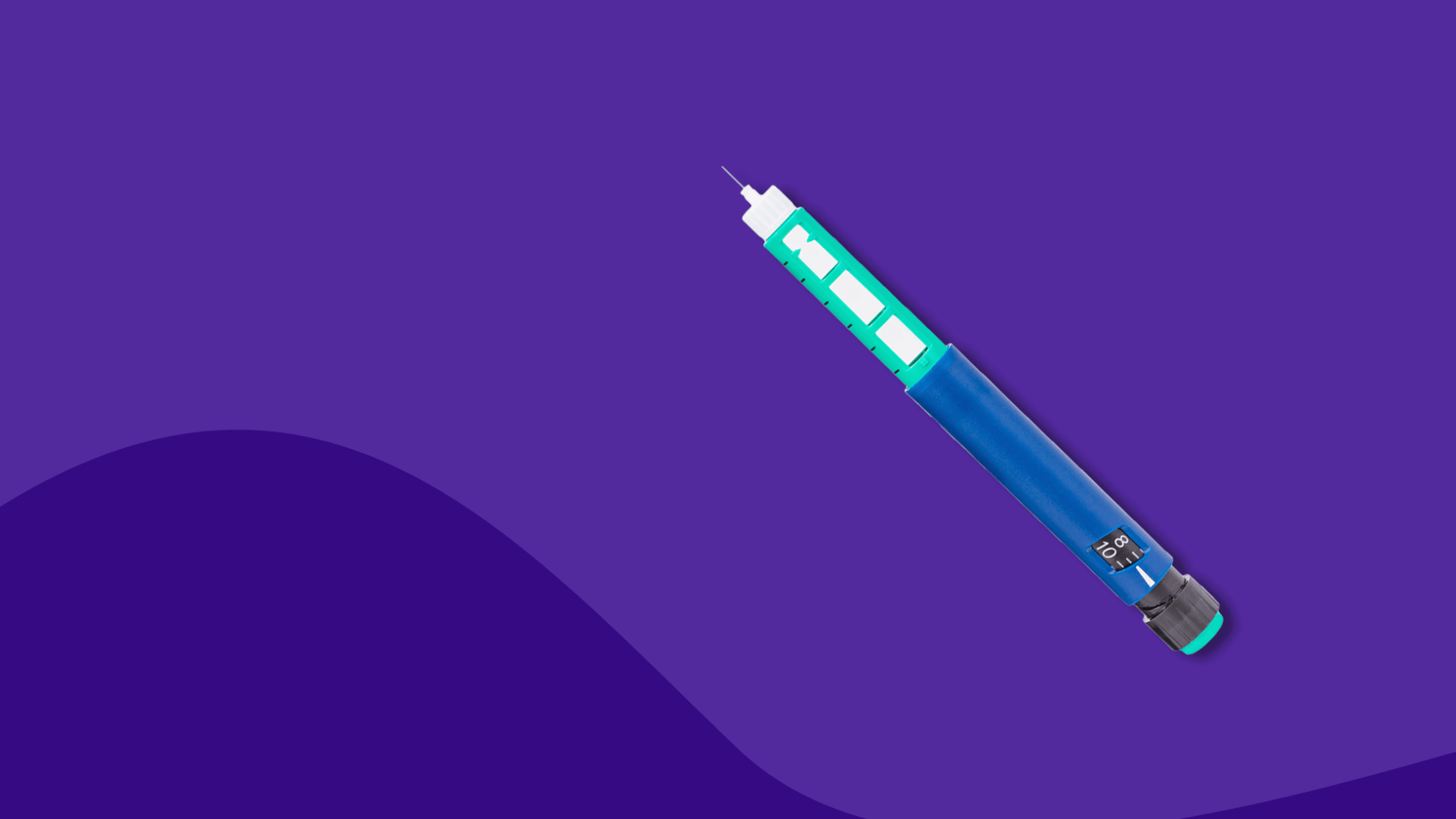


Zepbound is the brand name for tirzepatide, a GIP and GLP-1 receptor agonist that’s FDA-approved for weight loss in adults who are obese or overweight with at least one weight-related medical issue. It’s also approved to treat moderate-to-severe obstructive sleep apnea (OSA) in obese adults.
If you are just starting your Zepbound journey, you might be wondering: How much weight can you lose on Zepbound in three months? The amount of weight people lose in the first three months of taking Zepbound varies, but experts estimate that most people lose around 5% to 8% of their body weight in those first few months.
Save up to 80% on Zepbound with SingleCare
Different pharmacies offer different prices for the same medication. SingleCare helps find the best price for you.


How does Zepbound work for weight loss?
Zepbound works by imitating some of the hormones in the body that regulate hunger and feelings of satisfaction after eating. “These hormones—and Zepbound—slow down gastric emptying, regulate blood glucose levels, and block receptors in the brain that trigger cravings and hunger cues,” explains Dr. Jennifer Brown, MD, a board-certified obesity medicine physician at MyObesityTeam.
Because Zepbound slows stomach emptying, it can help you feel full for longer periods of time, which means you will likely consume fewer calories and lose weight. Many people who take Zepbound report that it quiets “food noise,” which is frequent and obsessive thoughts about eating and food. Quieting “food noise” leads to weight loss and less interest or reliance on junk foods.
How much weight can you lose in three months?
The amount of weight people lose when taking Zepbound varies from individual to individual, but studies have identified some promising trends.
A large clinical trial from 2022 found that obese adults who took Zepbound lost 15% to 20.9% of their body weight in 72 weeks. People who took 15 mg doses of Zepbound—the highest dose of the medication—lost an average of 52 pounds in this time period. People who took the lowest dose (5 mg) lost an average of 36 pounds.
Although there are no clinical trials that specifically address the questions of how many pounds per month people lose on Zepbound or how many pounds people lose in the first three months of taking it, experts who prescribe it report encouraging results.
Dr. Supriya Rao, MD, a board-certified physician in gastroenterology and obesity lifestyle medicine, notes that weight loss in the first three months tends to occur gradually and steadily as the dose of Zepbound is increased. “I typically see about 1.5 to 3% of starting weight per month, roughly 5 to 8% by 12 weeks for many patients, with a wide range depending on tolerance and habits,” she shares.
According to Dr. Sarah Stombaugh, MD, an obesity medicine physician, most patients she sees lose about one to three pounds per week when they first start taking the medication. This can result in a significant weight loss in three months. “I typically find that patients will lose between 15 and 30 pounds during the first three months; however, these numbers will vary from patient to patient,” Dr. Stombaugh says.
Again, it’s important to emphasize that each person is different and there is no current clinical evidence to answer the question of how much weight loss you’ll see in three months on Zepbound. “Zepbound affects each person differently, so there are no set guidelines to determine how much weight a person can lose each month,” explains Dr. Brown. “In my experience, patients don’t really start to lose significant weight until they’ve been on Zepbound for at least three months.”
Weight loss expectations with Zepbound
Long-term weight loss is possible with Zepbound, but research has shown that you need to stay on the medication for your weight loss to be sustained. For example, a 2024 study found that people who’d lost weight on Zepbound, but then stopped taking it, experienced “substantial regain” of the weight they’d lost. On the other hand, patients who stayed on Zepbound maintained their weight loss.
This lines up with Dr. Brown’s clinical experience. “When patients are compliant with Zepbound, they can generally maintain weight loss over the long-term,” she says. Patients who stay on Zepbound for several months usually experience the most favorable weight loss. “I expect patients to lose at least 20 pounds within six months,” Dr. Brown says. “If they haven’t lost 20 pounds by then, Zepbound may not be effective for that person.”
Although it can take several months to see the full benefits of Zepbound in terms of weight loss, patients often experience the health benefits of Zepbound—such as better insulin response and decreased appetite—soon after starting it. Typically, weight loss peaks once you’re taking a full dose of the medication. “The weight loss benefits peak once the patient has reached the maximum dose of 15 mg per week, which usually occurs at 6 months,” Dr. Brown says.
Factors that influence weight loss on Zepbound
Weight loss medications like Wegovy, Mounjaro, and Zepbound aren’t meant to be used alone. Instead, they are intended to be used in conjunction with healthy lifestyle changes for optimal results.
“In my experience, patients tend to lose more weight and keep it off if they combine Zepbound with healthy lifestyle choices,” Dr. Brown says. “I extensively counsel my patients on Zepbound about healthy lifestyle choices, which include avoiding sugary beverages, limiting consumption of ultra-processed foods, eating at least 70 grams of protein per day, and staying physically active.”
Additionally, it’s essential to address any other health concerns that may affect your weight. “Diagnosis and treatment of other health conditions like thyroid disease and sleep apnea are also important to help support weight loss goals,” Dr. Stombaugh says.
Even with these healthy lifestyle choices, your response to Zepbound depends on several other important factors, according to Dr. Rao, including:
- The starting weight when you first started taking Zepbound
- How insulin resistant you are, and whether or not you have Type 2 diabetes
- How much sleep you are getting
- How much stress you are under
- Other medications you are taking that may promote weight gain
- How well you adhere to taking Zepbound
- The dose of Zepbound you can tolerably take
In particular, people who have diabetes may experience a more challenging or slower weight loss journey with Zepbound than those who don’t have diabetes. “For my patients who are diabetic and on Zepbound, I advise them that they may not lose as much weight as non-diabetics,” Dr. Brown shares.
Is Zepbound right for you?
Zepbound is an excellent option for individuals who are chronically overweight or obese, and who have tried diet and exercise, but still haven’t lost enough weight to meet their health goals. This includes people with BMIs greater than 30 (obese category) or BMIs over 27 (overweight category), along with at least one weight-related comorbidity, such as elevated blood pressure or high cholesterol.
“We know that people who have underlying metabolic disease may have difficulty losing weight with lifestyle interventions alone,” Dr. Stombaugh says. “Signs of metabolic disease include diabetes, prediabetes, elevated fasting blood sugar, elevated blood pressure, elevated cholesterol, elevated liver enzymes, or increased waist circumference.”
According to Dr. Brown, Zepbound is the most effective medication for obesity that’s currently available, and it can be helpful for people with obesity to reframe their condition. “I advise my patients that obesity is a chronic, complex disease, just like diabetes and hypertension, and it requires ongoing treatment,” she says.
Of course, Zepbound isn’t the right choice for everyone. If you are interested in taking Zepbound, please consult your healthcare provider for medical advice.
- Step forward with Zepbound, Eli Lilly and Company (2025)
- Zepbound– tirzepatide injection, solution, DailyMed (2025)
- Tirzepatide once weekly for the treatment of obesity, The New England Journal of Medicine (2022)
- Continued treatment with tirzepatide for maintenance of weight reduction in adults with obesity, The Journal of the American Medical Association (2023)