




 Search for articles or Rx savings


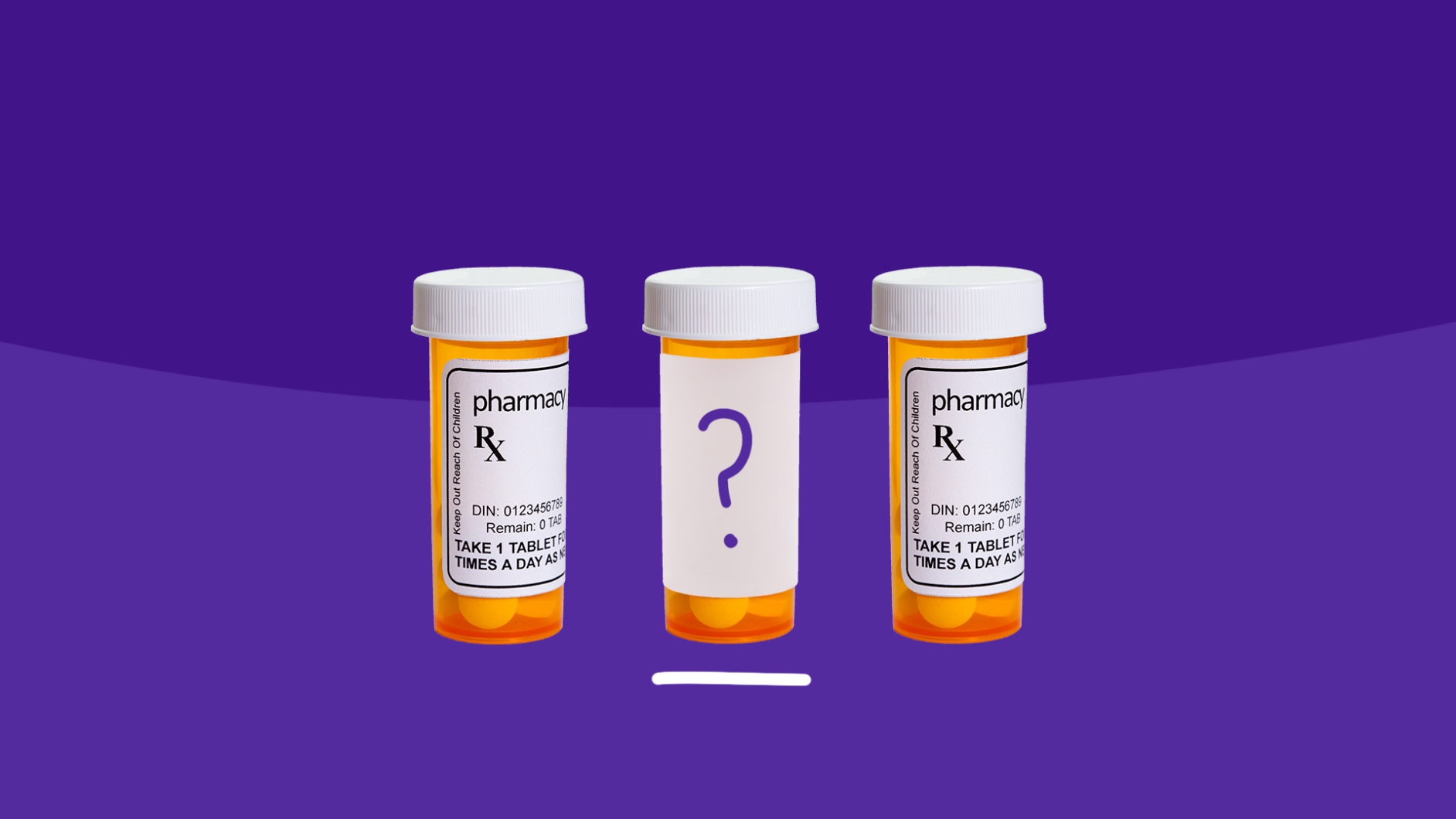
Key takeaways
Farxiga is a brand-name prescription drug used for Type 2 diabetes, heart failure, and kidney disease.
There is a generic version of Farxiga, called dapagliflozin, made by various pharmaceutical companies. As more generics enter the market, prices tend to decrease.
Choosing generic dapagliflozin and using a free SingleCare discount could save you about $460 per month.


Farxiga (dapagliflozin) is a brand-name prescription drug made by AstraZeneca and was approved by the U.S. Food and Drug Administration (FDA) in 2014 for Type 2 diabetes. Since then, its FDA-approved uses have expanded, now including kidney disease, heart failure, and Type 2 diabetes. Farxiga helps the body get rid of excess glucose (sugar) through the urine to manage diabetes while also helping the body remove sodium to support kidney and heart function. Since the brand-name drug can be costly for some, many people opt for the generic version, which has been approved since 2022.
Farxiga generic availability |
|
|---|---|
| Generic name | Dapagliflozin |
| FDA approval date of generic version | Feb. 22, 2022 |
| Is there a generic available for sale in the U.S.? | Yes |
Is there a generic for Farxiga?
The generic is called dapagliflozin, which is the active ingredient in Farxiga. Various pharmaceutical companies, including Prasco, A-S Medication Solutions, and Bryant Ranch Prepack, market authorized generic versions of dapagliflozin.
Save up to 80% on Farxiga with SingleCare Different pharmacies offer different prices for the same medication. SingleCare helps find the best price for you.


What are the differences between generic vs. brand-name Farxiga?
Although generic drugs may look different from their brand-name counterparts, they contain the same active ingredient and work in the same way. What’s more, authorized generics, specifically, are brand-name drugs without a brand name—they are marketed as generics by the company that makes the brand-name drug or another company approved by the brand-name manufacturer.
Generics work the same as their brand-name counterparts and are often much more accessible, often costing up to 85% less than the brand-name versions. The FDA requires that generic manufacturers conduct bioequivalence studies to demonstrate that their generics are bioequivalent to the brand-name drug, meaning that taking the generic results in the same blood concentrations over the same period.
Although Prasco’s authorized generic dapagliflozin looks exactly like brand-name Farxiga, generic products often differ in inactive ingredients, which can affect appearance and individual tolerances to the medications, as more competition enters the market, the prices for generics may also become lower.
According to the Association for Accessible Medicines, generic drugs are very popular. In 2024, 90% of prescription drugs in the United States were filled with generic or biosimilar drugs.
How much does generic Farxiga cost?
Without insurance, a one-month supply of 10 mg brand-name Farxiga costs about $785. However, a free SingleCare discount can bring that price down. What’s more, choosing generic dapagliflozin and using a SingleCare discount can bring the price down to around $405.
Brand vs. generic Farxiga prices |
||
|---|---|---|
| Brand-name Farxiga | Farxiga generic (dapagliflozin) | |
| Average cost without insurance | $785 for 30, 10 mg tablets of brand-name Farxiga | $835 for 30, 10 mg tablets of generic dapagliflozin |
| SingleCare’s lowest price | $264 for 30, 10 mg tablets of brand-name Farxiga | $405 for 30, 10 mg tablets of generic dapagliflozin at CVS |
| Free coupons | Farxiga coupons | Dapagliflozin coupons |
Prescription drug prices often change. These are the most accurate medication prices at the time of publishing in ZIP code 23666 as of Feb. 23, 2026. The listed price without insurance references the price of brand-name drugs (unless otherwise specified). The listed SingleCare price references the price of generic drugs if available.
What are the off-label uses for Farxiga?
In addition to FDA-approved uses, healthcare providers sometimes prescribe medications for off-label (non-FDA-approved) uses. Farxiga (or generic dapagliflozin) may be prescribed—typically along with another medication, such as a GLP-1 agonist—off-label for weight loss.
Although some drugs used for Type 2 diabetes are prescribed off-label for Type 1 diabetes, the prescribing information for Farxiga states that this medicine should not be used for Type 1 diabetes. This is because Farxiga significantly raises the risk of diabetic ketoacidosis (DKA, a condition where acids called ketones build up in the blood). DKA can be life-threatening, especially in people with Type 1 diabetes.
Is Farxiga covered by insurance?
Farxiga is usually covered by commercial insurance plans, Medicare, and Medicaid, especially when it’s dispensed as a generic. However, coverage can vary by plan. Many patients are still responsible for out-of-pocket costs, such as a copay or coinsurance amount. Consult your pharmacy or health insurance plan’s formulary for more details on coverage.
How do you get Farxiga covered by insurance?
If Farxiga isn’t covered by insurance, your healthcare provider may need to submit prior authorization. In other words, they’ll have to show documentation that Farxiga is medically necessary. In some cases, you may have to try other medications before insurance will cover Farxiga.
Generic alternatives to Farxiga
Generic dapagliflozin usually costs less than brand-name Farxiga, but it may not always be the best option. Alternatives to Farxiga may be preferred based on cost and a person’s overall condition or medical history.
Other SGLT2 inhibitors:
- Jardiance (empagliflozin)
- Invokana (canagliflozin)
GLP-1 and GIP/GLP-1 receptor agonists:
- Ozempic (semaglutide)
- Mounjaro (tirzepatide)
- Rybelsus (semaglutide)
- Victoza (liraglutide)
DPP-4 inhibitors:
- Januvia (sitagliptin)
- Onglyza (saxagliptin)
- Tradjenta (linagliptin)
Biguanides:
- Glucophage (metformin)
A healthcare provider can help determine the best treatment option for you. Potential side effects, drug interactions, cost, and approved uses will also be taken into account.
How to switch from Farxiga to dapagliflozin
When prescribing this medicine, a healthcare professional will typically write the prescription as “Farxiga.” According to state laws, pharmacists can substitute generic versions of brand-name drugs unless you or your healthcare provider specifically requests not to substitute the brand for a generic version.
If you take brand-name Farxiga and wish to switch to generic dapagliflozin, ask your healthcare provider or pharmacist. Because brand-name and generic products contain the same ingredients and are available in the same dosages, switching to generic should be an easy, seamless transition.
If you are concerned about trying a generic form of Farxiga, you can always try it for one month. If you are not satisfied with the generic medicine after this time, you can ask your pharmacist to switch you back to brand-name Farxiga.
Consult your healthcare provider for medical advice if you have any questions or concerns about your medications.
Long-term use of Farxiga (dapagliflozin)
You may be wondering about the benefits of long-term use of Farxiga. Always consult your healthcare provider for medical advice, as everyone has a unique medical history. However, here are some general findings from long-term clinical trials of Farxiga.
- In people with Type 2 diabetes and heart disease, Farxiga was effective in reducing hemoglobin A1c (HbA1C, a measure of glycemic control over three months), systolic blood pressure, and body weight over two years.
- One study found that for middle-aged and older adults with both heart failure and mildly reduced or normal heart function, taking dapagliflozin helped them live 2.0 to 2.5 years longer without experiencing serious heart-related events (such as hospitalization, death, or worsening of their condition).
- A 2024 study found that taking Farxiga improved kidney health and reduced albuminuria (the presence of albumin, a protein in the urine commonly seen in people with kidney conditions).
- In a study of people with chronic kidney disease (CKD), taking Farxiga helped delay serious problems like kidney failure, death, worsening kidney function, and hospital visits for heart failure. Farxiga may help slow kidney disease, possibly delaying kidney failure by about 6.6 years.
Expert takeaway
Farxiga is often prescribed long-term for chronic conditions like Type 2 diabetes and heart failure, which means the cost can add up over time. That’s why it’s important to make sure you’re on the generic if cost is a concern.
- 2024 U.S. Generic & Biosimilar Medicines Savings Report, Association for Accessible Medicines (2024)
- Bioequivalence and interchangeability of generic drugs, Merck Manual (2023)
- Dapagliflozin, DailyMed (2024)
- Emerging role of SGLT-2 inhibitors for the treatment of obesity, Drugs (2019)
- Estimated long-term benefit of dapagliflozin in patients with heart failure, Journal of the American College of Cardiology (2022)
- Farxiga, DailyMed (2024)
- FDA list of authorized generic drugs, U.S. Food & Drug Administration (2024)
- Generic competition and drug prices, U.S. Food & Drug Administration (2024)
- Generic drugs: Questions & answers, U.S. Food & Drug Administration (2021)
- Information for Industry on FDA’s Tentative Approval Process Under the PEPFAR Program, U.S. Food & Drug Administration
- Long-term benefits of dapagliflozin on renal outcomes of type 2 diabetes under routine care: a comparative effectiveness study on propensity score matched cohorts at low renal risk, The Lancet (2024)
- Long-term maintenance of efficacy of dapagliflozin in patients with type 2 diabetes mellitus and cardiovascular disease, Diabetes, Obesity and Metabolism (2016)
- Our products, Prasco
- Prasco’s generic is the brand®, Prasco
- Recent Prasco news, Prasco
- The long-term effects of dapagliflozin in chronic kidney disease: A time-to-event analysis, Nephrology Dialysis Transplantation (2024)
- U.S. FDA approves FARXIGA™ (dapagliflozin) tablets for the treatment of adult patients with Type 2 diabetes, AstraZeneca (2014)