





Key takeaways
Mounjaro injection site reactions are relatively rare and, in most cases, easy to prevent and treat.
Sensitivity to the ingredients in Moujaro, poor injection hygiene, and certain injection techniques can cause reactions around the injection site.
An allergic reaction to Mounjaro can be life-threatening and isn’t the same as an injection site reaction.


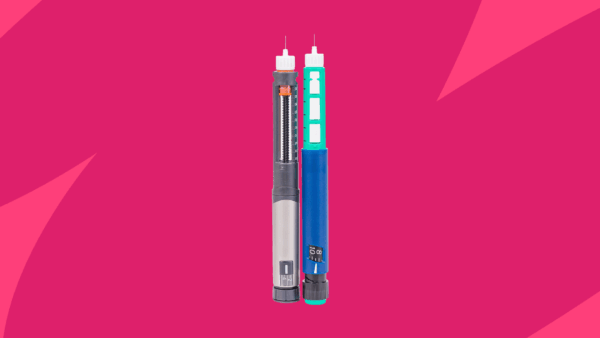
Mounjaro (tirzepatide) is a brand-name prescription medication that’s approved by the Food and Drug Administration (FDA) to control blood sugar levels in adults with Type 2 diabetes when used in conjunction with a healthy diet and exercise routine. Mounjaro is a self-administered, once-weekly subcutaneous injection. If you experience pain, swelling, or redness around the injection site, you may be wondering if you’re doing something wrong. There are things you can do to minimize the likelihood of a Mounjaro injection site reaction, but some people are more sensitive to this medication than others.
What is an injection site reaction?
Injection site reactions occur when the skin swells, itches, turns red, or feels painful around the area where the needle was inserted.
Other possible symptoms of an injection site reaction include bruising, a burning sensation, or a little bit of blood, according to the University of Wisconsin Health.
Andrew Shapiro, MD, a surgeon at Advanced Surgical Physicians, says, “Other side effects include hard nodules under the skin, which happen when the medication isn’t evenly absorbed, infections that occur when bacteria enter through the injection site, and fatty tissue buildup under the skin caused by repeatedly injecting in the same spot.”
Tell your healthcare provider if any of the following occur:
- Blistering around the injection site
- Redness or swelling that’s more than 2 inches in diameter
- Severe pain, itching, or bleeding at the injection site
- Flu-like symptoms, including fever, muscle aches, nausea, dizziness, or vomiting
- Worsening reactions every time you take Mounjaro
- Symptoms don’t go away within three days
Symptoms are typically isolated to a small area around the injection site. Rashes or swelling that occur on other parts of the body, including the lips and face, could indicate a severe allergic reaction to Mounjaro, which requires immediate medical attention. Call 911 if your face or throat swells, you have trouble breathing, your chest feels tight, or you break out in hives.
“Most injection site reactions I’ve seen aren’t allergic in nature,” says Paul Rosenberg, MD, head plastic surgeon at New Jersey Breast Reduction Center. “An injection site reaction is usually a localized and temporary irritation that clears up on its own, whereas an allergic reaction involves the immune system and can cause more widespread or severe symptoms.”
When do Mounjaro injection site reactions occur?
Mounjaro injection site reactions can occur immediately after using the autoinjector or hours later. “In most cases, the reaction appears within minutes,” Dr. Rosenberg says. “Patients occasionally report mild discomfort or redness that becomes more noticeable a few hours after injection or later in the day.”
In Dr. Rosenberg’s experience, people are more likely to experience Mounjaro injection site reactions with the first few doses. “It’s just part of the body adjusting to a new routine.”
Save up to 80% on Mounjaro with SingleCare Different pharmacies offer different prices for the same medication. SingleCare helps find the best price for you.


What could cause injection site reactions from Mounjaro?
Several things can contribute to an injection site reaction from Mounjaro, including:
- Sensitivity to tirzepatide (the active ingredient in Mounjaro), Mounjaro’s preservatives, or rubbing alcohol
- Poor injection techniques
- Injecting Mounjaro into the same spot each week
- Failing to clean the skin before injection
- Reusing needles
“Technique matters immensely when it comes to injection,” Dr. Shapiro says. “Too deep, too shallow, at the wrong angle, injecting too quickly, or moving the needle while it’s in the skin can all cause discomfort.” He says Moujaro’s chemical composition and pH also may be irritating to some people.
How common are Mounjaro injection site reactions?
Mounjaro’s prescribing information reports that injection site reactions occur in 3.2% of users. This is similar to other members of its drug class. Research shows that other injectable glucagon-like peptide-1 (GLP-1) receptor agonists, including Ozempic (semaglutide), Trulicity (dulaglutide), and Victoza (liraglutide), are associated with injection site reaction rates of 0.2%, 3.9%, and 2%, respectively.
It’s reasonable to say that injection site reactions are just as uncommon among Mounjaro patients as they are with other GLP-1 receptor agonists. You’re more likely to experience gastrointestinal Mounjaro side effects like nausea, diarrhea, reduced appetite, vomiting, indigestion, constipation, and abdominal pain while taking Mounjaro, as clinical trial data cited in the drug’s prescribing information shows they occur in at least 5% of patients.
Jennifer Brown, MD, a board-certified obesity expert at MyObesityTeam, confirms that Mounjaro injection site reactions are rare. “I’ve only had a couple of patients have a mild reaction, both of which had resolution within a few days. A [Mounjaro] reaction is no more common than those caused by other GLP-1s or insulin.”
Mounjaro injection site reaction treatment
Mild injection site reactions tend to go away on their own after one or two days, but there are things you can do to reduce swelling and pain.
Your healthcare provider may recommend applying an ice pack or cold compress to the area for about 15 minutes. If needed, wait about 30 minutes before reapplying the compress. They could also suggest an over-the-counter pain reliever to reduce soreness and pain, as well as an OTC anti-itch cream. You could ask your healthcare provider about prescribing hydrocortisone to soothe itchy and sore skin around the injection site. “I always caution patients not to scratch or rub the area, which can make it worse,” Dr. Rosenberg adds.
Infected injection sites require prescription antibiotics and prompt medical attention. Watch for pain that gets worse or doesn’t go away with OTC treatment, swelling that gets worse, redness that’s over 2 inches in diameter, and any symptoms that linger more than three days.
If a Mounjaro injection triggers an allergic reaction, seek medical treatment right away. Allergic reactions can be life-threatening. A tight chest, difficulty breathing, hives, or a swollen face, tongue, lips, or throat are all signs of a serious allergic reaction and require emergency care. Some people also experience flu-like symptoms during an allergic reaction.
Mounjaro injection tips
Perfecting your Mounjaro injection routine can prevent reactions caused by poor technique or improper hygiene. According to the University of Wisconsin Health, it may help to follow these tips:
- Take the Mounjaro pen out of the fridge for up to 30 minutes before the injection so it warms to room temperature.
- Choose a different injection site than the one you chose the previous week, such as the thigh rather than the upper arm.
- Don’t inject Mounjaro into skin that’s already irritated or scarred.
- Make sure you choose an injection site with plenty of fat because injecting into muscle is more painful.
- Clean the area with rubbing alcohol.
- Let the alcohol dry completely.
In the U.S., Mounjaro is currently only available as a single-use autoinjector pen. This eliminates some of the issues surrounding needle re-use, depth, angle, and injection rate. If you live in an area where Mounjaro vials or Kwikpens (a multi-dose autoinjector) are available, be sure to use a new needle every time to avoid infection.
If you have specific questions or concerns about using Mounjaro, talk to your healthcare provider. They can demonstrate the correct use of an autoinjector, help you choose the best injection sites, and evaluate your risk for injection site reactions.
Save on diabetes meds and supplies
Bottom line
Experiencing an injection site reaction usually isn’t cause for alarm or a sign that you need to switch to a different medication. “The benefits of Mounjaro for weight loss and metabolic health often far outweigh these minor annoyances, which usually become a non-issue after the first few weeks,” Dr. Rosenberg says.
That said, consider talking to your healthcare provider about oral Mounjaro alternatives if you experience severe, ongoing pain with injections. For example, Rybelsus (semaglutide) is a GLP-1 tablet that would eliminate the need for injections, although it may not be as effective.
- The difference between allergic and injection site reactions, UW Health (2024)
- Mounjaro Important Safety Information, Cedars Sinai
- Injection site reactions with the use of biological agents, Dermatologic Theory (2019)
- Mounjaro prescribing information, Lilly (2025)
- Ozempic prescribing information, Novo Nordisk (2025)
- Trulicity prescribing information, Lilly (2025)
- Victoza prescribing information, Novo Nordisk (2025)
- Medically accurate: SingleCare’s Medical Review Board analyzes all of our content to confirm it’s in line with current medical advice.
- Evidence-based: Our content is sourced from reputable U.S.-based healthcare professionals and peer-reviewed research.
- Trustworthy: All of SingleCare’s content goes through a multi-phase review process by our writers, editors, and Medical Board in order to provide clear and credible information.