





Key takeaways
It’s essential to avoid grapefruit and limit purine-rich foods while on colchicine.
You should limit fatty and spicy foods, as well as alcohol intake, too.
Eating a low-purine diet rich in plant-based protein, vegetables, fruits, and whole grains can help control inflammation and enhance the anti-gout benefits of colchicine.


Colchicine (brand names: Mitigare, Gloperba, and Colcrys) is an anti-inflammatory prescription drug used to prevent and treat gout. It is also Food and Drug Administration (FDA) approved to treat familial Mediterranean fever (FMF) and is sometimes prescribed off-label for other inflammatory conditions, such as the prevention of stroke or heart attack.
If you’re taking colchicine, it’s important to know that it can interact with many medications and grapefruit. Certain foods can also worsen side effects or trigger or worsen gout symptoms. It can also cross the placenta in pregnant individuals and is found in breast milk.
Save up to 80% on Colchicine with SingleCare
Different pharmacies offer different prices for the same medication. SingleCare helps find the best price for you.


How colchicine works
Gout develops when a build-up of uric acid forms crystals that settle into the joints instead of being removed through the kidneys, according to Troy Alexander-El, MD, a board-certified internal medicine provider based in Portland, Oregon. This can cause a “gout attack” characterized by redness, swelling, and severe pain centered on the affected joint.
Colchicine helps with gout in two ways: As an anti-inflammatory drug, it reduces redness, pain, and swelling during a gout attack. It also prevents white blood cells from “attacking” uric acid crystals associated with gout, thus helping prevent a gout flare. Colchicine works quickly, too. It reduces inflammation within hours and significantly improves pain within 48 hours.
6 foods to avoid with colchicine
Like many medications, colchicine can interact with grapefruit, so it’s important to avoid the fruit and its juice while on this drug. Colchicine can also cause nausea, so it’s best to limit greasy and spicy foods. You should also limit high-purine foods such as beef and organ meats, as purine can raise uric acid levels, which can cause or worsen gout.
Limit or avoid the following foods when taking colchicine:
1. Grapefruit
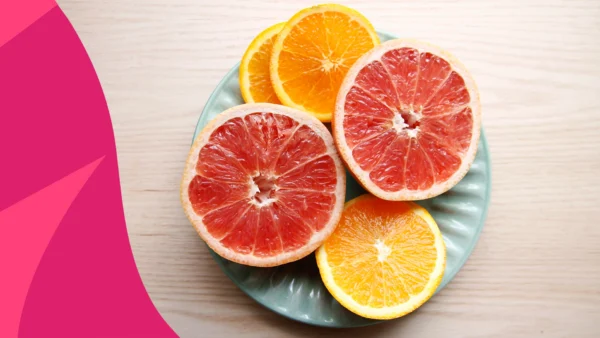
Grapefruit interacts with many medicines and supplements, and Dr. Alexander-El says that includes colchicine. Grapefruit inhibits the liver enzyme CYP3A4, which breaks down colchicine and other drugs. Consuming too much grapefruit and grapefruit juice can keep your body from metabolizing colchicine, potentially leading to dangerously high levels, according to Annamarie Rodriguez, RDN, a dietitian specializing in kidney health and owner of Nutrition Directions LLC in Sturtevant, Wisconsin. It is generally best to avoid consuming grapefruit while taking colchicine; however, there are some circumstances in which your health care provider may adjust the dose if you are consuming grapefruit products.
2. High-purine foods
If you’re taking colchicine to prevent or stop a gout attack, high-purine foods will undermine your treatment plan. “Gout flare-ups result from the build-up of uric acid in the joints. Thus, purine-rich foods need to be avoided as these lead to increased uric acid levels,” Rodriguez says.
High-purine foods include:
- Red meat
- Organ meat
- Shellfish
- Anchovies
- Dried beans and peas
- High fructose corn syrup
- Sugary foods and drinks
- Highly processed foods
Research shows that dietary purine accounts for about one-third of the body’s daily uric acid production. Cutting back on purine-rich foods could go a long way toward supporting colchicine’s effectiveness.
3. Fried or fatty foods
Common side effects of colchicine include nausea and diarrhea. Studies show that greasy foods are also a common trigger for nausea and bloating. So it’s no wonder both Dr. Alexander-El and Rodriguez suggest avoiding fried or high-fat food, such as pizza and fast food, while taking colchicine.
4. Spicy food
Like French fries and fried chicken, spicy foods can irritate your gastrointestinal tract. So while spicy foods don’t impact the effectiveness of colchicine, eating them can increase the risk of side effects from colchicine.
Spice tolerance to colchicine can vary from person to person. If you’re already experiencing nausea, heartburn, or diarrhea, it’s a good idea to avoid spicy food until the symptoms pass. If, on the other hand, you are not experiencing any GI-related side effects, know that eating some spicy food will not undermine your gout treatment.
5. Alcohol
Drinking alcohol with colchicine can increase the risk of side effects while also worsening gout symptoms.
First, alcohol is a known trigger for gout flares. Second, since diarrhea is a possible side effect of colchicine, Rodriguez recommends focusing on hydration. Alcohol has a diuretic effect, which means it increases urine output, raising the risk of dehydration.
6. Large amounts of caffeine
It isn’t dangerous to consume caffeine with colchicine, but Rodriguez says it may be helpful to limit consumption. That’s because caffeine is a diuretic, so drinking too much coffee or tea can increase the risk of dehydration from colchicine-related diarrhea.
That said, some research has linked coffee consumption to a lower risk of gout. It’s a good idea to seek personalized medical advice from your healthcare provider about whether you should limit caffeine while taking colchicine.
A note on medications
Share a list of all prescription and over-the-counter medications, supplements, vitamins, and energy/nutritional boosters you take with your prescriber, as many should not be mixed with colchicine. Colchicine drug interactions include, but are not limited to:
- Macrolide antibiotics (e.g., clarithromycin and erythromycin)
- Certain cholesterol-lowering medications (e.g., atorvastatin and fluvastatin)
- Certain antifungal medications (e.g., itraconazole and ketoconazole)
- Certain calcium channel blockers (e.g., diltiazem)
“It is also important to avoid other anti-inflammatory medications [such as NSAIDs] while taking colchicine as it can lead to increased risk of bleeding or irritation of the stomach lining,” Dr. Alexander-El says.
What should you eat while taking colchicine?
People taking colchicine should follow a gout-friendly diet low in purines and high in inflammation-reducing foods such as vegetables, leafy greens, fatty fish, and berries. “Plant-based proteins will not increase gout risks as meats do, [and] thus are a safe approach,” Rodriguez adds.
In general, a gout-friendly diet is one that reduces processed foods and incorporates a variety of nourishing whole foods. Rodriguez says vitamin C-rich foods like cherries, berries, kiwi, and citrus fruits can also help the body eliminate excess uric acid. “It is also important to maintain adequate hydration… to assist in flushing out excess uric acid,” she says.
Gastrointestinal side effects of colchicine
The most common gastrointestinal side effect associated with colchicine is diarrhea, followed by nausea, vomiting, and abdominal pain. Greasy and spicy foods can exacerbate these adverse reactions. Taking the drug with food reduces absorption by approximately 15%.
Colchicine toxicity
Dangerously high levels of colchicine in the bloodstream are a serious and potentially life-threatening situation, potentially resulting in kidney failure. This can occur from taking too many colchicine tablets or taking it with grapefruit or contraindicated medications. Symptoms include severe gastrointestinal distress, unexplained muscle weakness, and extreme fatigue.
Tips for maximizing colchicine benefits
If you’re experiencing acute gout symptoms, there are ways to optimize the benefits of colchicine so you can get relief as soon as possible.
- Follow your prescriber’s instructions. Take each dose of colchicine exactly as directed. Colchicine can be taken with or without food, but taking it with a snack may help prevent nausea.
- Take colchicine with a full glass of water. Oral tablet medications should be taken with water so that there’s liquid in the stomach to help them dissolve.
- Reduce purine as much as possible. Eating a low-purine diet is the best way to limit uric acid levels in your body while you address the pain and inflammation of a gout flare.
Staying consistent with these habits can help support the medication’s effectiveness while reducing the risk of side effects. If you have questions about your diet or symptoms, check in with your healthcare provider for personalized guidance.
- Colchicine – colchicine tablet, film coated, DailyMed (2021)
- Colchicine: an ancient drug with novel applications, British Journal of Dermatology (2019)
- Uric acid – blood, MedlinePlus (2025)
- Gout and diet: A comprehensive review of mechanisms and management, Nutrients (2022)
- Hyperuricemia, StatPearls (2023)
- Dietary fat intake and functional dyspepsia, Advanced Biomedical Research (2016)
- Food and gastroesophageal reflux disease, Current Medicinal Chemistry (2019)
- Alcohol quantity and type on risk of recurrent gout attacks: An internet-based case-crossover study, American Journal of Medicine (2014)
- Mechanisms of caffeine-induced diuresis, Medical Sciences (2016)
- Is coffee consumption associated with a lower risk of hyperuricaemia or gout? A systematic review and meta-analysis, BMJ Open (2016)
- Adverse events during oral colchicine use: A systematic review and meta-analysis of randomised controlled trials, Arthritis Research & Therapy (2020)
- Colchicine poisoning: The dark side of an ancient drug, Clinical Toxicology (2010)
- Using medication: Learn more – oral medications, Informed Health (2025)
- Medically accurate: SingleCare’s Medical Review Board analyzes all of our content to confirm it’s in line with current medical advice.
- Evidence-based: Our content is sourced from reputable U.S.-based healthcare professionals and peer-reviewed research.
- Trustworthy: All of SingleCare’s content goes through a multi-phase review process by our writers, editors, and Medical Board in order to provide clear and credible information.