




 Search for articles or Rx savings


Key takeaways
Brilinta is an antiplatelet medication used to prevent heart attacks and strokes. Medicare Part D often covers it, but you may need to show medical necessity, and you may have out-of-pocket expenses like copayments or deductibles.
If your insurance company doesn’t cover Brilinta, you can look into coupons, manufacturer savings, or programs like Medicare Extra Help.
Less expensive alternatives to Brilinta, such as Plavix, are available.


Brilinta is the brand name for ticagrelor, which is a type of antiplatelet medication. It works by stopping platelet formation in your blood, which reduces the chances of blood clots and decreases the risk of heart attacks, strokes, and other cardiovascular issues. Brilinta is FDA-approved to be used in the prevention of heart attacks and acute ischemic stroke in people who have had them in the past, and for reducing the risk of cardiovascular events in high-risk people with coronary artery disease.
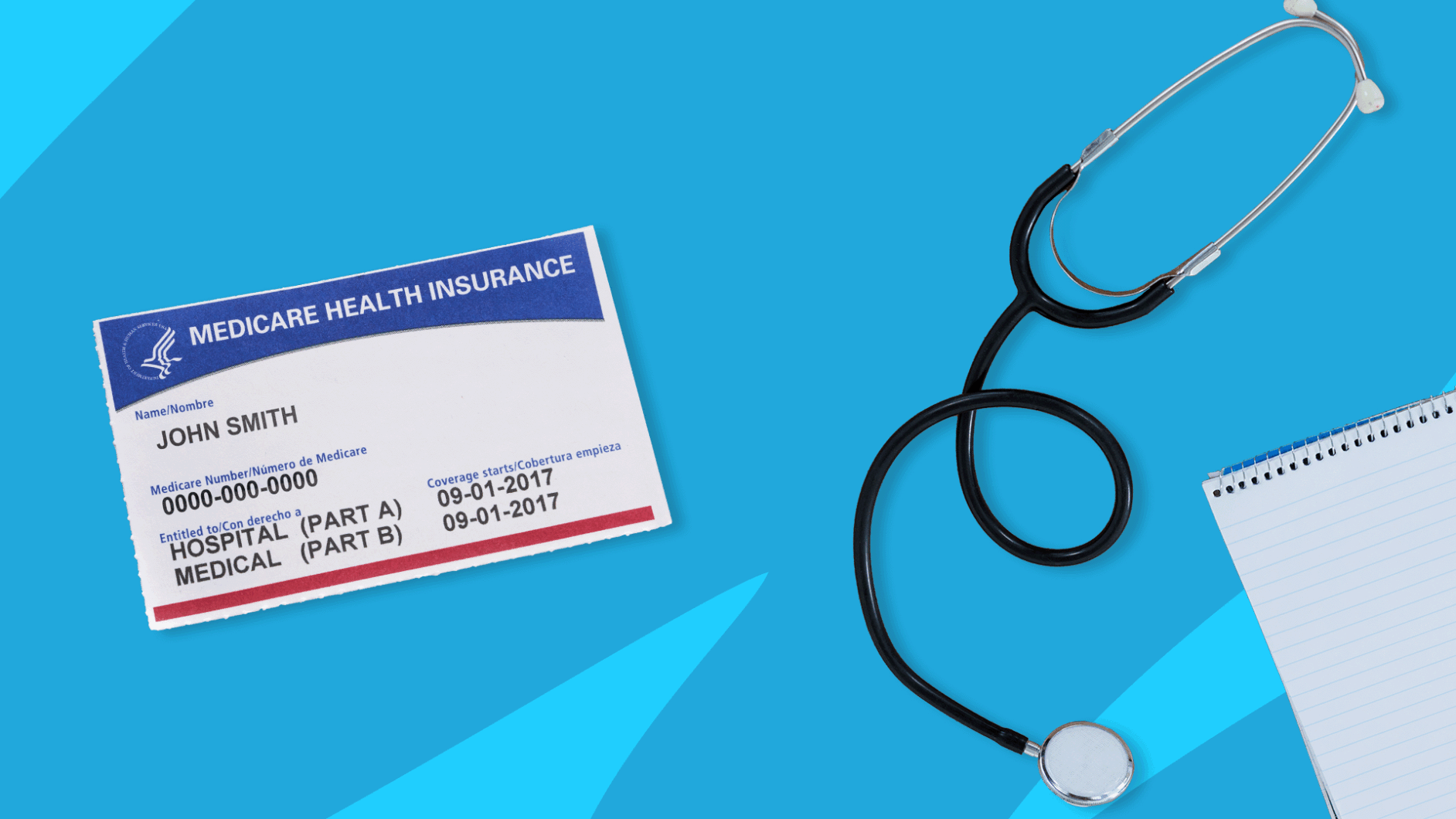
If you’re on Medicare and you’ve been prescribed Brilinta for the prevention of heart attacks or strokes, you may be wondering if Medicare will cover the cost of the medication. While Medicare Part D often covers Brilinta, you may need to meet certain criteria to ensure coverage, and you may also have out-of-pocket expenses like deductibles and copayments.
Does Medicare cover Brilinta?
Yes, Medicare does typically cover Brilinta. Medicare Part D is the portion of Medicare that covers prescription drugs. However, each Medicare Part D plan is unique, and coverage can vary from one plan to another. Each privately-administered Medicare Part D plan has it’s own unique list of covered drugs, or formulary.
“As a pain management doctor, I often see patients who are taking heart medications like Brilinta (ticagrelor) alongside their pain treatments,” says Sean Ormond, MD, dual board-certified in anesthesiology and interventional pain management physician at Atlas Pain Specialists. These patients often have many questions and concerns about their coverage.
In Dr. Ormond’s experience, “most Medicare Part D plans do cover Brilinta, but not all cover it the same way,” he explains. “It’s often considered a higher-tier brand-name drug, which can mean a higher copay.” The copay amount can vary from one plan to another. You can contact your Medicare plan to obtain more information about your copayment amount.
According to Elizabeth Rubin, MD, an emergency medicine physician and clinical advisor at Embers Recovery, while Medicare often does cover Brilinta, your coverage and out-of-pocket expenses can depend on your health insurance plan’s specific formulary, which is an insurance company’s list of covered medications. “Most Part D plans list Brilinta as a Tier 3 or Tier 4 brand-name drug, which often comes with higher copays or coinsurance,” she explains. If your Part D plan does not list Brilinta on its formulary, you may need to ask your doctor to prescribe another appropriate medication, or you can ask your doctor to request an exception to your plan with an explanation of why the medication is medically necessary.
You can also look to switch Medicare Part D plans during the annual enrollment period to a plan that covers all of your prescriptions with as few restrictions as possible.
In addition, certain criteria often need to be met in order for Medicare to cover Brilinta.
Documentation of medical necessity
“Some plans may ask your doctor to show that the medication is medically necessary—basically, that Brilinta is the best option for your heart condition,” Dr. Ormond explains. This might mean that your health care provider needs to provide documentation of your specific medical diagnosis to the insurance company.
Prior authorization
Some plans require prior authorization, explains Dr. Rubin. This is especially likely if the patient is starting therapy outside of an acute coronary syndrome (ACS) or post-stent indication, she shares. “In those cases, physicians may need to document medical necessity and confirm that Brilinta is being used according to current cardiology guidelines,” Dr. Rubin explains.
Step therapy
Step therapy is a restriction whereby you are mandated to try a similar but less expensive medication before your insurance company approves the medication you want to take. According to Dr. Rubin, this is less likely to happen with Brilinta, but it’s possible. “While uncommon, step therapy may apply if the plan prefers a lower-cost alternative like clopidogrel,” she explains.
How much does Brilinta cost with Medicare?
According to the manufacturer’s website, Brilinta costs $45 or less per month for most Medicare Part D recipients. But using a SingleCare savings card could make the costs even less. People who use a SingleCare savings card to pay for Brilinta usually pay about $31 at CVS. Note that you can’t use your Medicare Part D benefits along with your SingleCare card.
Brilinta assistance for Medicare patients
SingleCare coupons
If your plan doesn’t cover Brilinta, SingleCare can help. The way that SingleCare coupons work is that you simply text, email, or print the coupon you want to use and then present it to your pharmacist when it’s time to pick up your medication. SingleCare coupons are free, without my hidden costs.
You can use a SingleCare coupon for Brilinta and also for the generic version of Brilinta, Ticagrelor. In both cases, you can save significant money. For example:
- Brilinta costs $626 for 60, 90 mg tablets if you pay full retail price, but it costs $31 for 60, 90mg tablets with a SingleCare coupon at CVS
- Ticagrelor costs $467 per 60, 90 mg tablets if you pay full retail price, but it costs $31 for 60, 90 mg tablets at CVS with a SingleCare coupon
Medicare Extra Help
Medicare Extra Help is a program that helps Medicare recipients pay for their prescription drugs, including copayments and deductibles. The program is for lower-income individuals, and many people who qualify are automatically enrolled by virtue of receiving Medicaid, SSI, or certain other benefits for people with limited income and assets. If you aren’t already enrolled, you can apply for assistance on the ssa.gov website.
Manufacturer savings card
Brilinta savings cards are available for some individuals through the manufacturer’s website. However, these savings cards are only available to people who have commercial insurance or private insurance. That means that people on Medicare, Medicaid, or any other type of government-sponsored insurance don’t qualify.
Patient assistance program
There are some patient assistance programs that may be helpful for you. “If your plan does not cover Brilinta or the copay is high, AstraZeneca (the manufacturer) offers a savings program for eligible patients with commercial insurance,” Dr. Rubin says. However, please note that this opportunity typically excludes Medicare beneficiaries. For more information, please visit the AstraZeneca website.
Free samples at doctor’s office
Sometimes doctors will give you free samples of a medication for you to use. This can be helpful as you wait for your medication to be filled, for your insurance authorization to come through, or for a gap in medication fulfillment. But this isn’t a good long-term solution.
Brilinta alternatives that may be cheaper
Sometimes there are alternative medications that can be less expensive if insurance coverage is an issue for you. You can ask your health care provider about Brilinta alternatives that may work for you.
Save up to 80% on Brilinta with SingleCare
Different pharmacies offer different prices for the same medication. SingleCare helps find the best price for you.


Cheaper alternatives to Brilinta
If you are struggling with Brilinta coverage, there may be some Brilinta alternatives to consider. “If Brilinta ends up being too expensive or isn’t covered by your plan, there are other good options,” Dr. Ormond says. “Your heart doctor can help decide which one is safest and most effective for your specific condition.”
Plavix
“The most cost-effective alternative to Brilinta is Plavix (clopidogrel), which is available as a generic and is widely covered by Medicare and private insurers,” Dr. Rubin says. While it’s not identical in mechanism to Brilina, clopidogrel “provides effective platelet inhibition for most patients after heart attack, stroke, or stent placement,” she describes.
Effient
Another alternative to consider is Effient (prasugrel). Effient “may be considered in certain cases, though it’s less commonly prescribed in older adults due to bleeding risk,” Dr. Rubin clarifies.
Whatever the case, if you are considering alternatives to Brilinta, it’s vital to discuss options with your healthcare provider. Caring for your heart health is a delicate task and requires targeted medication for your particular condition.
You should discuss the pros and cons of Brilinta alternatives carefully with your health care provider or pharmacist. Your provider or pharmacist can also help you get your medication approved and discuss other ways of paying for Brilinta.
The SingleCare prices in this article are the most accurate at the time of publishing in ZIP code 23666 as of 12/02/2025. Prices vary by pharmacy. Visit our Brilinta coupon page for updated Brilinta prices near you.
- Ticagrelor, MedlinePlus (2025)
- Label: Brilinta- ticagrelor tablet, DailyMed (2024)
- Brilinta ticagrelor tablets, Brilinta (2025)
- Medicare Part D, Brilinta (2025)
- Savings and support, Brilinta (2025)
- Help with drug costs, Medicare.gov (2025)
- Helping patients access their AstraZeneca medications, AZ&ME (2025)
- Sean Ormond, MD, dual board-certified in anesthesiology and interventional pain management physician at Atlas Pain Specialists
- Elizabeth Rubin, MD, emergency medicine physician and clinical advisor at Embers Recovery