





Key takeaways
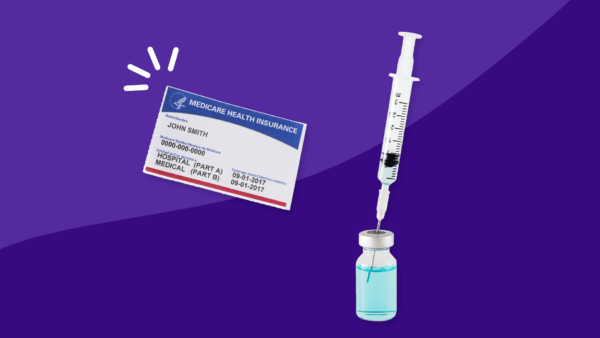
Coverage for insulin and diabetes supplies varies across Medicare Parts A, B, C, and D, with Part B covering diabetes supplies like monitors and Part D covering insulin and oral diabetes drugs.
The cost of insulin under Medicare depends on several factors, including the type of coverage, the insulin used, and the patient’s income level, with various plans affecting out-of-pocket expenses differently.
Additional options to afford insulin include assistance programs, Medicare supplement insurance plans, manufacturer rebates, free trials or samples, patient assistance programs, and prescription discount cards, which can help reduce or eliminate costs.


With age being a risk factor for developing Type 2 diabetes, many expect to see a trend of higher insulin use among older adults. It wasn’t until 2006 that Medicare began covering a portion of most prescription drugs, including insulin, for Medicare beneficiaries diagnosed with diabetes. Prior to that, Medicare generally only paid for prescription drugs that were administered in a physician’s office or in a hospital or skilled nursing facility.
In 2021, Medicare tested a new insulin savings program for Part D plans called the Senior Savings Model. The new program offered insulin coverage at no more than $35 per month for Medicare Part D consumers with diabetes. The program ended on Dec. 31, 2023; however, the Inflation Reduction Act kept insulin copays at $35 or less for Medicare beneficiaries in 2024.
Medicare insulin coverage: Which plan do you need?
Medicare has four parts: Part A, B, C, and D. People who use an insulin pump will need Part B for insulin coverage; people who take other forms of insulin will need Part D for coverage.
Medicare Part B coverage for diabetes supplies
Medicare Part B covers insulin if you use an insulin pump that’s considered Durable Medical Equipment (DME). If you use an insulin pump that isn’t disposable, Part B may cover the pump as well as the insulin used with the pump.
Part B doesn’t cover insulin pens or insulin-related supplies such as:
- Syringes
- Needles
- Alcohol swabs
- Gauze
Medicare Part D coverage for diabetes medications
For Medicare coverage of insulin, you’ll need to enroll in a Medicare Part D prescription drug plan or be enrolled in a Medicare Advantage plan with prescription coverage.
Some of the most popular types of insulins are covered under Part D plans, including:
Oral diabetes drugs are also included under Medicare Part D coverage, including:
- Sulfonylureas: Glipizide, glyburide
- Biguanides: Metformin
- Thiazolidinediones: Pioglitazone
- Meglitinides: Nateglinide, repaglinide
- Alpha-glucosidase inhibitors: Acarbose, miglitol
- Glucagon-like peptide 1 (GLP-1) receptor agonists: Adlyxin, Byetta, Bydureon, Ozempic, Tanzeum, Trulicity, Victoza
- Sodium-glucose cotransporter 2 inhibitors (SGLT-2 inhibitors): Farxiga, Invokana, Jardiance
In order for these medications to be covered by Medicare Part D plans, the insulin must be prescribed by a medical provider.
Does Medicare pay for insulin?
From January 2021 through December 2023, the Part D Senior Savings Model helped Medicare beneficiaries pay a maximum of $35 for a 30-day insulin supply. This program ended on Dec. 31, 2023; however, the Inflation Reduction Act kept insulin prices capped at $35 for Medicare beneficiaries.
The total cost of your insulin, insulin pens, and insulin pumps depends on several factors:
- Your Medicare coverage and any supplemental coverage
- The type of insulin you’re using (brand name versus generic)
- How much of the medication you use each month or year
- Whether your Medicare drug plan requires a coinsurance or copayment for this medication
- Your income level and the state you live in
- The pharmacy you use to fill prescriptions
Other costs to consider
In addition to paying $35 for your 30-day insulin supply, you may be responsible for Part B and D premiums.
In 2026, most people who are enrolled in Medicare Part B will pay a premium of $202.90 per month, compared with $185 per month in 2025. However, if your income is above a certain threshold, you may have to pay more than that amount.
People on Part D will pay varying premiums, but the national base premium is $38.99 per month in 2026, compared with $36.78 per month in 2025. Part D premiums may be higher for people with higher incomes.
Thanks to the Inflation Reduction Act, Medicare beneficiaries do not have to meet their Part B or Part D deductible before reaping the benefits of the $35 or less copay for insulin. However, deductibles and normal cost-sharing structures still apply to diabetes-related products such as insulin pumps, test strips, and oral diabetes medications.
How to afford insulin on Medicare
Aside from the Medicare plans, there are additional coverage options that may be available to you, including assistance programs and enrollment in a Medicare supplement insurance plan.
Diabetes Coupons & Discount Diabetic Supplies
Assistance programs
Some Medicare recipients have the option to enroll in programs that may help reduce or eliminate certain drug costs. Some of these programs include:
- Medicare Savings Program: There are several Medicare Savings Programs that you may be eligible for.
- Extra Help: This program was designed to assist Medicare Part D recipients with their prescription drug costs. It helps cover monthly premiums, copays, and deductibles.
- Medicare Advantage Special Needs Plan: This tailored plan provides additional coverage for people with chronic diseases, including diabetes. Insulin costs, additional hospital days, and preventive services may be included.
- Medicare Diabetes Prevention Program: This is a six-month program designed to provide realistic strategies and support for Medicare Type 2 diabetes patients. The program offers weekly group sessions with a trained coach and post-program support sessions. While participation doesn’t directly affect the costs of your diabetes supplies, it may help you learn ways to manage your diabetes better. Healthy lifestyle changes can reduce the effects of diabetes, prevent further health complications, and decrease diabetes supply costs over time.
Manufacturer rebates
Another way to save money on your medications is by using manufacturer rebates and coupons. These can lower or eliminate the costs of your medication copayments, yearly limits, and deductibles. Some patients may even qualify for free insulin pens. The eligibility criteria vary by program. Contact the manufacturer of your insulin to find out what savings options they offer.
Free trials or samples
Many insulin manufacturers offer free trials or free supplies of their medications. These programs are intended to help you find which medicine works best for you, but they may also help lower your costs over time.
Sometimes doctor’s offices also have free samples they can provide to get you started on a new medication, help you switch to a new medication, or if you can’t get immediate access to your insulin.
Patient assistance programs
Patient assistance programs offer free or discounted medications to those with financial difficulties. Drug manufacturers and nonprofit organizations offer these programs. Eligibility is based on a variety of factors, including income level, medical insurance status, and residence location.
In order to apply for most patient assistance programs, you must have an annual income less than or equal to 500% of the federal poverty limit. However, this is not a steadfast rule. Many programs have higher or lower limits depending on your family size. The federal government has also been considering reducing discounts given to those with incomes as high as 400% of the federal poverty limit.
Applying for these programs can be time-consuming and frustrating, but they are worth investigating if you are struggling to afford your diabetes supplies. You can also speak with a licensed insurance agent about your options.
Prescription discount cards
Prescription drug discount cards may lower your copayment for certain medications; however, they often do not apply to your deductible or out-of-pocket maximum. You typically cannot use a prescription discount card in addition to Medicare; you must choose one or the other.
Take advantage of SingleCare for prescription drug savings of up to 80%. Just search for the drug on SingleCare.com, enter your ZIP code, locate your preferred pharmacy, save the coupon to your mobile device, and show it to the pharmacy staff when you pick up your prescription. You can also use the convenient SingleCare app.
Lea este artículo en español aquí.
- Insulin, Centers for Medicare and Medicaid Services
- Frequently asked questions about Medicare insulin cost-sharing changes in the prescription drug law, Centers for Medicare and Medicaid Services (2023)
- Special Needs Plans (SNP), Centers for Medicare and Medicaid Services
- Medicare Diabetes Prevention Program, Centers for Medicare and Medicaid Services
- Financial eligibility criteria and medication coverage for independent charity patient assistance programs, JAMA (2019)
- Medically accurate: SingleCare’s Medical Review Board analyzes all of our content to confirm it’s in line with current medical advice.
- Evidence-based: Our content is sourced from reputable U.S.-based healthcare professionals and peer-reviewed research.
- Trustworthy: All of SingleCare’s content goes through a multi-phase review process by our writers, editors, and Medical Board in order to provide clear and credible information.