





Key takeaways
Zepbound comes in six dose strengths. Most start at the lowest dose and gradually increase until reaching the desired benefit.
Clinical trials found that the higher doses of Zepbound yield the greatest reductions in body weight and body mass index (BMI), but they might have more side effects.
The best dose of Zepbound ultimately depends on the person.


Zepbound (tirzepatide) is a prescription medication that is FDA approved for chronic weight management and moderate-to-severe obstructive sleep apnea (OSA) in adults with obesity. It belongs to a class of medications called dual GIP/GLP-1 receptor agonists. It contains the same active ingredient as Mounjaro, which is approved to treat Type 2 diabetes. Research suggests these medications may be more effective at yielding weight loss and balancing blood sugar than well-known GLP-1s such as Wegovy (semaglutide) and Ozempic (semaglutide).
How well Zepbound will work for you depends at least partly on the dosage. The most effective dose of Zepbound can vary from person to person, though clinical trials suggest weight loss is greater with higher doses.
Save up to 80% on Zepbound with SingleCare
Different pharmacies offer different prices for the same medication. SingleCare helps find the best price for you.


What dose of Zepbound is the most effective?
“There is no generalized most effective dose of Zepbound,” says Richa Mittal, MD, obesity medicine specialist and founder of Radiant Health Dallas. “This is because there is individual variability in sensitivity to the medication.”
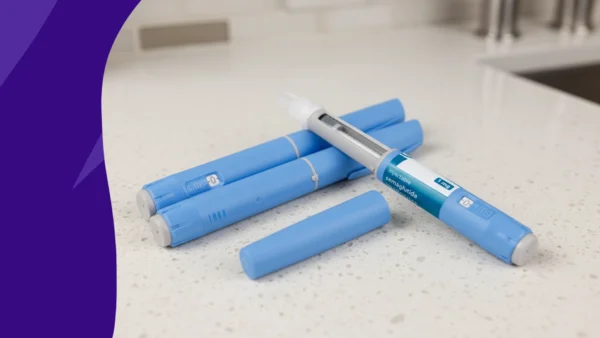
Zepbound comes in six dose strengths: 2.5 milligrams (mg), 5 mg, 7.5 mg, 10 mg, 12.5 mg, and 15 mg. Each dose is administered via subcutaneous injection with a prefilled pen or single-dose vial. There is no one-size-fits-all dosage because many individualized factors affect the optimal dose, so there isn’t one universally best dose for everyone.
For example, some people may not experience meaningful weight loss at a lower dose. Additionally, others might experience excessive appetite suppression or side effects at a higher dose, Dr. Mittal notes.
The idea that there is a singular best dose of Zepbound is a misconception. Ultimately, the best dose for you is the one that maximizes therapeutic benefits with the fewest side effects.
The efficacy of different doses
While Zepbound dosing is highly individualized, Eli Lilly, the manufacturer, recommends a specific process of gradually increasing doses, called titration. According to the dose escalation schedule, people taking Zepbound start with a once-weekly dose of 2.5 mg. The dose is increased in increments of 2.5 mg every four weeks until reaching a maintenance dose (or the maximum 15 mg dose).
“Everyone begins with the same ‘starter’ dose of Zepbound,” says Jennifer Brown, MD, an obesity medicine specialist based in West Virginia. “Most people titrate up from the starter dose to achieve their desired weight loss.” The purpose of the titration is to limit potential side effects. “I often tell patients that if I started them on the dose that would get them to their weight loss goal, they would be too sick to tolerate the medication,” Dr. Brown adds.
The best dosage of Zepbound depends on the individual, but there is a common thread among clinical trials: Higher doses tend to yield more weight loss compared to lower doses. The earlier clinical trials, known as SURMOUNT-1 and SURMOUNT-2, demonstrated higher average percentages of weight reductions with a dose of 15 mg versus 5 mg and 10 mg. The SURMOUNT-4 trial found that participants who received their maximum tolerated dose (up to 10 mg or 15 mg) experienced a mean weight reduction of 20.9% from study initiation up to an analysis at 36 weeks, and were then able to maintain and in some cases achieve further weight reductions when those doses were continued from weeks 36 to 88.
However, the maximum dosage of Zepbound isn’t necessarily the best for everyone. Some people find that a lower dose is best for them. “Many people see effective weight loss at a lower dose,” says Elizabeth Zubowicz, MD, a board-certified bariatric surgeon. “Some people stay at the lowest dose if they are seeing weight loss.”
Factors that influence Zepbound treatment
Why does optimal Zepbound dosage vary? Different people can have different treatment plans. Here’s what can influence yours.
- Side effects: Common side effects of Zepbound are mainly gastrointestinal, such as nausea, vomiting, diarrhea, and constipation, and occur in up to 49% of people taking the medication. The likelihood of side effects increases with dose strength. “If after a dosage increase, a person experiences excessive side effects and they’re not improving, we may consider lowering the dose for better tolerability,” Dr. Mittal says.
- Age: People taking weight loss medications eventually reach a plateau, but research shows that younger adults usually plateau later. This suggests that lower doses may remain effective for longer in young adults, prolonging the need to titrate up to the next dose.
- Sex: Women and men can respond differently to medications. In studies of weight loss medications, women experience greater reductions in body weight than men, regardless of dose. However, researchers don’t fully understand why sex influences the efficacy of tirzepatide.
Maximizing Zepbound’s effectiveness
Experts recommend pairing the medication with lifestyle changes to attain the most benefit from your treatment plan and optimize your overall health and wellness.
A reduced-calorie diet and regular physical activity are the most important factors to help maximize weight loss and keep the weight off, according to Dr. Zubowicz. She recommends a high-protein diet and exercise routine that includes strength training to help prevent muscle loss that can occur with rapid weight loss.
Additional strategies can include optimizing your sleep quality and reducing your alcohol intake, Dr. Mittal says. For personalized medical advice, it’s a good idea to refer to your prescribing provider.
Common questions about Zepbound dosing
With those tips in mind, many people still have questions about how much Zepbound to take and how dosing works in everyday use, such as:
What if I miss a dose?
Zepbound is injected once weekly, but don’t fret if you miss a dose. Simply administer a dose of Zepbound if it’s been four days or less since your missed dose. If it’s been more than four days, skip the missed dose and return to your regular administration time. You can also change your dosing schedule so long as the time between the missed and next dose exceeds three days; you shouldn’t inject Zepbound more than once in a 36-hour period.
Can I go back down in dose if the side effects are too much?
Zepbound’s recommended dose escalation schedule isn’t for everyone. “Some patients remain on a lower dose, particularly those who have difficulty tolerating higher doses due to gastrointestinal side effects,” Dr. Brown says. If the side effects are too severe, ask your healthcare provider what your options are. They may recommend waiting to see if your side effects improve, reducing the dose, or taking anti-nausea medication until your body adjusts.
How long can I stay on Zepbound?
Zepbound treats chronic conditions and is safe to take long-term. The longest Zepbound trial spanned 176 weeks (just under 3.5 years).
Some people stop the medication once they reach their goal weight, while others continue on a maintenance dose indefinitely, Dr. Zubowicz says.
- Semaglutide vs tirzepatide for weight loss in adults with overweight or obesity, JAMA Internal Medicine (2024)
- Real-world effectiveness of tirzepatide versus semaglutide on HbA1c and weight in patients with Type 2 diabetes, Diabetes Therapy (2025)
- Highlights of prescribing information: ZEPBOUND® (tirzepatide) injection, for subcutaneous use, U.S. Food and Drug Administration (2025)
- Tirzepatide once weekly for the treatment of obesity, New England Journal of Medicine (2021)
- Tirzepatide once weekly for the treatment of obesity in people with type 2 diabetes (SURMOUNT-2): a double-blind, randomised, multicentre, placebo-controlled, phase 3 trial, Lancet (2023)
- Continued treatment with tirzepatide for maintenance of weight reduction in adults with obesity, JAMA (2023)
- Adverse events related to tirzepatide, Journal of the Endocrine Society (2023)
- Time to weight plateau with tirzepatide treatment in the SURMOUNT‐1 and SURMOUNT‐4 clinical trials, Clinical Obesity (2025)
- Sex differences in the weight response to GLP-1RA in people with Type 2 diabetes. A long-term longitudinal real-world study, Pharmacological Research (2025)
- Tirzepatide: A promising drug for Type 2 diabetes and beyond, Cureus (2023)
- Tirzepatide for managing overweight and obesity, National Institute for Health and Care Excellence (2024)
- Tirzepatide for obesity treatment and diabetes prevention, The New England Journal of Medicine (2025)
- Medically accurate: SingleCare’s Medical Review Board analyzes all of our content to confirm it’s in line with current medical advice.
- Evidence-based: Our content is sourced from reputable U.S.-based healthcare professionals and peer-reviewed research.
- Trustworthy: All of SingleCare’s content goes through a multi-phase review process by our writers, editors, and Medical Board in order to provide clear and credible information.