





Key takeaways
If you’re taking warfarin, be wary of foods rich in vitamin K, alcohol, caffeinated drinks, and certain fruit juices, as they could increase your risk of bleeding or clots.
Warfarin can also cause GI distress, which certain foods and drinks can exacerbate.
Maintaining a healthy, consistent diet and taking your warfarin prescription at the same time every day can maximize its benefits.


Blood clots are a naturally occurring medical event that can protect you against excessive bleeding. Unfortunately, some blood clots can also lead to serious and even life-threatening medical events.
Roughly 1.4 million people in the United States are on prescription warfarin to prevent these harmful blood clots, according to recent prescribing data. Some people also take warfarin for other approved uses, such as preventing stroke in people with atrial fibrillation or preventing blood clots in the heart.
If you’re taking warfarin (brand names Coumadin and Jantoven), there are certain foods and drinks you should limit or use with caution in order to make sure the drug works as it should.
Save up to 80% on Warfarin with SingleCare
Different pharmacies offer different prices for the same medication. SingleCare helps find the best price for you.


How warfarin works
To make blood clots, your body needs vitamin K. Your liver makes special proteins that help your blood clot. For these proteins to work properly, your body needs vitamin K. Then, an enzyme in the body helps recycle vitamin K so it can continue supporting the clotting process.
Warfarin inhibits that enzyme, which stops vitamin K from being recycled into its active form. When that happens, clotting factors are still produced, but they remain inactive, reducing your body’s ability to clot blood quickly.
One way to monitor warfarin’s effect is through the international normalized ratio (INR), a blood test that measures how long it takes your blood to clot relative to a standard. A higher INR means it takes longer to clot; your healthcare provider will aim for an INR in a specific target range depending on why you’re taking warfarin. To reach an optimal INR, you need to take warfarin daily for four to seven days.
“Warfarin takes much longer than many other medications to take effect. The initial effects begin in 1-3 days, but its full therapeutic effect takes 5-7 days,” explains Erika Gray, Pharm.D., founder and chief medical officer at ToolBox Genomics.com.
7 foods to avoid or use with caution while on warfarin
Warfarin is an anticoagulant, and certain foods and beverages could disrupt its ability to safely thin blood. Therefore, it’s best to avoid or limit the following items:
1. Foods high in vitamin K
Your body needs vitamin K in order to clot blood. Warfarin’s job is to interfere with how your body uses vitamin K in the process. The National Blood Clot Alliance warns that if you are taking warfarin, maintain a consistent amount of vitamin K in your diet instead of sudden increases or decreases.
Foods high in vitamin K include:
- Cruciferous vegetables like broccoli, Brussels sprouts, and cauliflower
- Spinach, romaine, Swiss chard, and kale
- Turnip greens, mustard greens, and collard greens
- Asparagus, okra, and endives
- Seaweed and soybeans
“If you’re taking warfarin, you don’t need to avoid foods high in vitamin K like leafy greens,” says Ashley Kitchens, RDN, registered dietitian and owner of Plant Centered Nutrition in Durham, North Carolina. “You just need to be consistent in eating them so the medication can work properly. For example, if you go a week without eating greens and then eat a large kale salad for dinner, that can impact how the medication works.”
If you suddenly increase your vitamin K intake, your INR may drop, leading to blood clots.
2. Mango
You may be thinking, “Mango? Really?” And the answer, unfortunately, is yes. Scientists don’t fully understand why mango influences how warfarin and other blood thinners are metabolized. They do note that eating large amounts of the fruit could increase your risk of bleeding because it has the potential to raise your INR.
3. Alcohol
Heavy drinking is linked to a decreased number of platelets, which are the cells responsible for forming blood clots. If you combine alcohol with an anticoagulant like warfarin, your risk of excessive bleeding increases. In fact, one study found that even moderate alcohol misuse was linked to a heightened risk of a major bleeding event. Alcohol can affect how the body processes warfarin in complex ways. Heavy drinking in the short term can cause warfarin levels to rise and increase bleeding risk, while chronic heavy alcohol use may reduce its effectiveness over time.
4. Cranberry and apple juice
Some reports suggest that cranberry and apple juice may interact with warfarin by inhibiting the enzymes that metabolize the drug. This could result in a higher INR and increase your risk of bleeding.
“Cranberry juice (more than 8 ounces daily) can increase your risk of bleeding, and caution should be exercised,” notes Dr. Erika Gray.
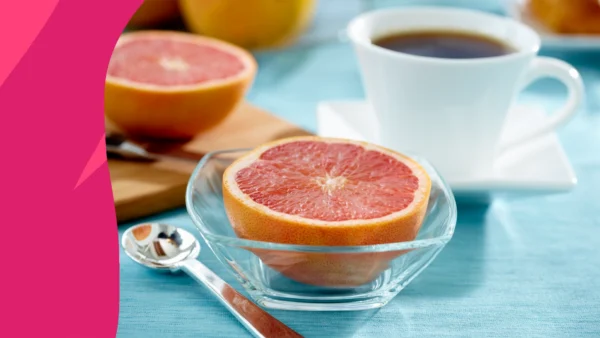
5. Grapefruit
Grapefruit juice contains natural compounds that can slow down how your body breaks down warfarin. Consuming grapefruit while taking the drug could potentially lead to a higher INR.
Some evidence suggests grapefruit may affect how the liver processes warfarin, potentially altering your INR. Talk to your provider about whether you need to limit grapefruit in your diet.
6. Green tea
Green tea consumed in large quantities is considered unsafe for people taking warfarin and other blood thinners. Green tea contains small amounts of vitamin K and may affect how warfarin works, particularly in large quantities. Moderate consumption is likely fine for most people, but check with your healthcare provider about what amount is safe for you.
7. Coffee and caffeinated drinks
Before you lament missing out on your morning cup of coffee, note that it’s generally safe to continue to drink coffee on warfarin if you’ve always had coffee. What you want to avoid is starting or suddenly quitting caffeinated beverages after you begin taking warfarin. Big changes in caffeine intake could affect how the body metabolizes the drug.
What should you eat while taking warfarin?
One of the most important things you can do is keep a consistent intake of foods rich in vitamin K, eating the same amount of those foods every week.
Additionally, talk to your provider about consuming foods that help your circulation. When blood clots are a concern, maintaining a healthy cardiovascular system is often key.
“Foods like berries, leafy greens such as kale or spinach, beets, garlic, and fatty fish like salmon and sardines may help with circulation,” explains Kitchens. “These foods contain nutrients that reduce inflammation and help your blood vessels relax.”
Gastrointestinal side effects of warfarin
In general, most people do well with warfarin, Dr. Erika Gray says. However, some people do complain of some GI side effects like nausea, stomach cramps, bloating, gas, and diarrhea.
Avoiding large swings in your vitamin K intake can help keep your warfarin levels stable, which may also help minimize GI side effects. Additionally, some of the foods listed above—like alcohol and caffeinated drinks—could exacerbate these symptoms, which is another reason to avoid them.
“If at any point, you notice your stools become very dark or tar-like, make sure you call your doctor immediately, as it could be a sign of internal stomach bleeding,” says Dr. Erika Gray.
Tips for maximizing warfarin benefits
To get the most out of your medication and keep your INR levels consistent, Dr. Gray offers the following advice:
- Take your medication at the same time every day.
- Ask your provider about the best time of day to take your medication. Some prefer evening dosing for logistical reasons related to lab monitoring.
- Keep your diet consistent.
- Maintain a food log of what types of vegetables you eat and the time you take your medication.
“If you are having difficulties in keeping your INR in a therapeutic range, taking these steps will help you and your prescriber to make a more informed decision about your ideal dosage.”
Lastly, tell your healthcare provider about any medications, multivitamins, or herbal supplements you are taking to avoid possible interactions. Avoid large changes in your diet, and talk to your provider if you need to alter what you eat.
- Warfarin, ClinCalc
- Vitamin K and Coumadin – what you need to know, National Blood Clot Alliance (2013)
- Metabolic insights into the warfarin-mango interaction: A pilot study integrating clinical observations and metabolomics, Pharmacology (2025)
- Alcohol misuse, genetics, and major bleeding among warfarin therapy patients in a community setting, Pharmacoepidemiology & Drug Safety (2015)
- A guide to taking warfarin, American Heart Association (2024)
- Food and lifestyle interactions with warfarin: a review, U.S. Pharmacist (2009)
- Food and supplement interactions, UC San Diego Health
- Warfarin resistance and caffeine-containing beverages, International Journal of Cardiology (2012)
- Medically accurate: SingleCare’s Medical Review Board analyzes all of our content to confirm it’s in line with current medical advice.
- Evidence-based: Our content is sourced from reputable U.S.-based healthcare professionals and peer-reviewed research.
- Trustworthy: All of SingleCare’s content goes through a multi-phase review process by our writers, editors, and Medical Board in order to provide clear and credible information.