




 Search for articles or Rx savings


Key takeaways
Xarelto costs about $805 for 60, 2.5 mg tablets without insurance or discounts.
Several Xarelto savings programs can help lower out-of-pocket costs, but eligibility requirements vary.
Anyone may use a free Xarelto discount card from SingleCare at participating pharmacies.


Xarelto (rivaroxaban) is a brand-name prescription blood thinner. It’s been approved by the U.S. Food and Drug Administration (FDA) to treat and prevent blood clots in children and adults with various risk factors, and to lower the risk of heart attack and stroke in adults with coronary artery disease. Many health insurance plans cover Xarelto, but not all do. Fortunately, you can still save hundreds of dollars at the pharmacy with a free Xarelto coupon card.
How much does Xarelto cost?
On average, Xarelto costs $805 for 60, 2.5 mg tablets without insurance or discounts. That’s about $13 per pill and $9,660 per year.
Xarelto dosing varies based on the condition being treated or prevented, and the price can change according to the dose and quantity. People taking Xarelto to prevent pulmonary embolism or deep vein thrombosis after hip or knee replacement surgery may only need 12 to 35 tablets total.
Save up to 80% on Xarelto with SingleCare Different pharmacies offer different prices for the same medication. SingleCare helps find the best price for you.


How to save money on Xarelto
To save money on Xarelto, see if you qualify for the following savings cards and assistance programs.
1. Free Xarelto coupons
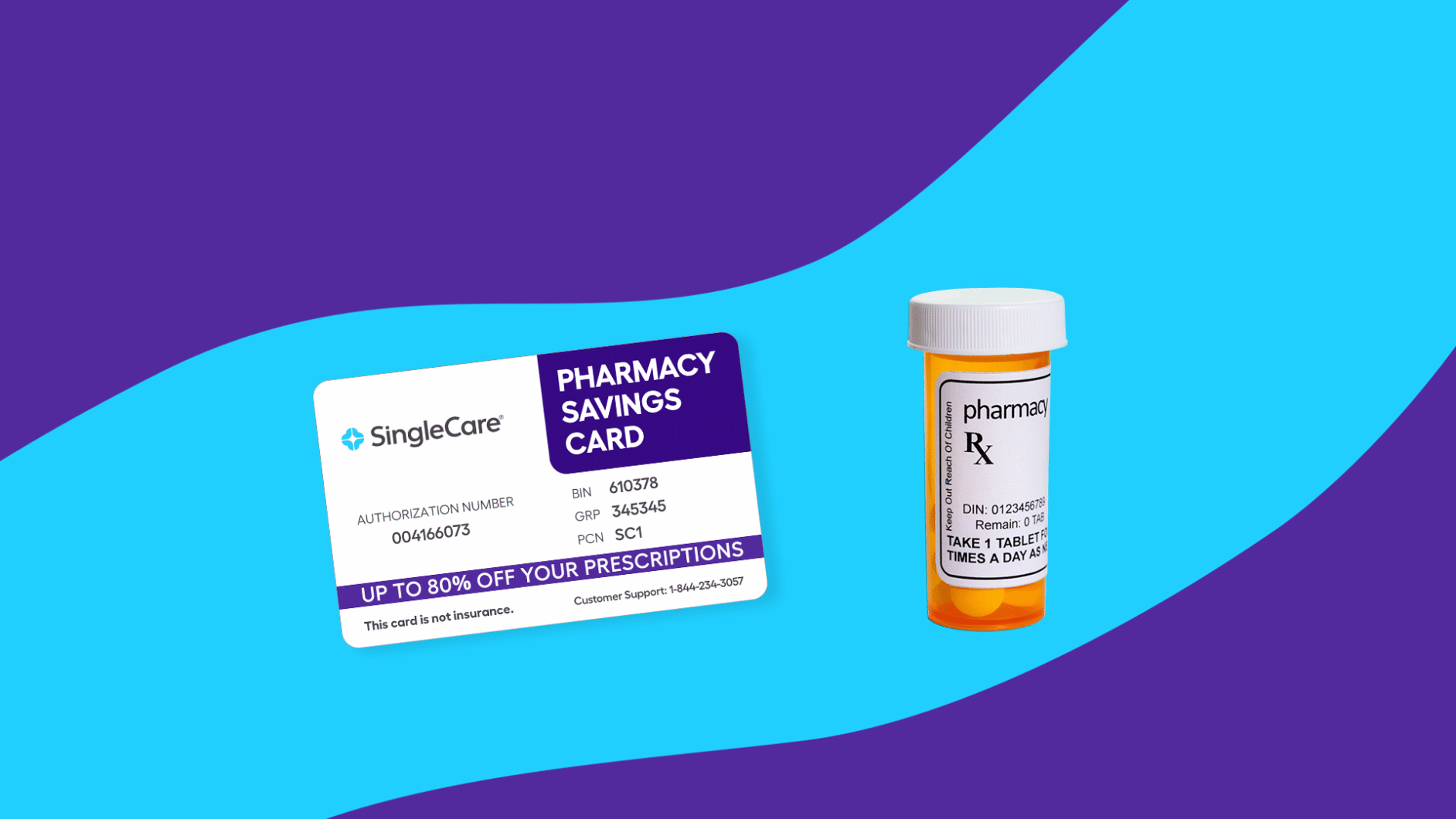
With a free Xarelto coupon card from SingleCare, you could pay as little as $48 for 60, 2.5 mg tablets of generic rivaroxaban. That’s a 94% discount compared to the average retail price of brand-name Xarelto. SingleCare prices vary by quantity, strength, form, and pharmacy, so your final price may be different.
SingleCare coupons are free to use regardless of your income or insurance status, but they can’t be combined with other offers.
Here’s how to get and use a SingleCare coupon:
- On the Xarelto coupon page, enter the form, dosage, and quantity prescribed by your healthcare provider.
- Enter your ZIP code.
- Compare prices at nearby pharmacies.
- Click “Get free coupon” next to the pharmacy you’d like to use.
- Text, email, or print the discount card to save it.
- File your prescription with your chosen pharmacy.
- During checkout, show the pharmacist your SingleCare savings card.
- Pay the discounted price.
SingleCare prescription discount cards are reusable. Show it to the pharmacist every time you pick up a Xarelto refill.
2. Medicare or Medicaid savings
Xarelto or its generic (rivaroxaban) may be covered by Medicare Part D or Medicaid. The amount you’ll pay through Medicare depends on your plan’s cost-sharing structure. However, once you pay your deductible fees and copayments, all of your prescription drugs are free for the rest of the year.
Medicaid cost-sharing varies from state to state. Contact your Medicare or Medicaid insurance company to learn how much you’ll pay for Xarelto.
Medicare Extra Help
Some Medicare and Medicaid beneficiaries are eligible for additional savings through Medicare Extra Help. This low-income subsidy (LIS) program significantly reduces the cost of Xarelto and other brand-name and generic medications. You pay no premium or deductible with the Extra Help program.
To qualify for Extra Help, individuals must meet minimum income and resources requirements. You can apply through the Social Security Administration.
3. Xarelto withMe savings card
Janssen Pharmaceuticals offers a Xarelto copay card that lowers the cost to as little as $10 per 90-day supply for commercially insured patients. To qualify for the Xarelto withMe savings card, you must have a private health insurance plan that covers Xarelto and requires cost-sharing. You’re not allowed to use the Xarelto manufacturer coupon if your healthcare provider prescribed it after knee or hip replacement surgery. Other restrictions may apply.
Although this may seem like a great deal, there are some limits to how much you can save. After the first 90 days, you can save a maximum of $200 for a 30-day supply. The maximum benefit amount is $3,400 for the full calendar year. You may reapply every year.
4. Johnson & Johnson patient assistance program
Johnson & Johnson operates a patient assistance program (PAP) that provides Xarelto and other medications free for up to one year. To qualify, you must live in the U.S., have a valid Xarelto prescription from a U.S. healthcare provider, and meet income requirements. Eligible patients make 300% or less than the federal poverty level.
You can’t participate in the Xarelto PAP if you’re eligible for other savings programs like Medicare Extra Help or the Xarelto withMe card. You don’t need insurance to qualify, but if you do have insurance, your plan can’t cover Xarelto. You may need to submit proof of coverage denial with your application.
How can I get Xarelto for free?
Janssen Pharmaceuticals offers a free 30-day trial for Xarelto. Eligible patients must have a valid 30-day prescription for any dose of Xarelto other than a 10 mg tablet or 1 mg/mL oral suspension. The Xarelto free trial is open to people with commercial insurance, government-funded insurance, or no insurance. Ask a healthcare professional to help you apply.
You may also get a Xarelto coupon for 12 months free if you meet the Johnson & Johnson assistance program requirements. You can’t be eligible for any other government or manufacturer savings programs and must have an income of 300% or less than the federal poverty level, among other rules.
Does insurance cover Xarelto?
Health plans often cover Xarelto or its generic (rivaroxaban), but some don’t. Coverage terms, copays, and co-insurance vary by plan. Some insurance plans require you to try other anticoagulants first, or they may restrict the amount of Xarelto tablets you can get within a 30-day period. Your healthcare provider, pharmacist, or insurance company can help you understand your coverage and out-of-pocket responsibilities.
Is there a cheaper alternative to Xarelto?
Yes, some Xarelto alternatives cost less or may be covered by your health insurance plan.
“The primary cost-effective alternative is warfarin (Coumadin),” says Gerome Burke, MD, a physician, medical toxicologist, and Program Director for Research and Reporting at the U.S. Food and Drug Administration Center for Drug Evaluation and Research. “Warfarin is significantly less expensive, often costing only a few dollars per month. Insurance companies strongly prefer it, and they cover the prescription at a lower cost.”
Dr. Burke warns that warfarin requires frequent monitoring to make sure the dose is safe and effective. People taking warfarin also have to be careful not to suddenly change their vitamin K intake. Too much vitamin K, which is commonly found in leafy green vegetables, while taking warfarin increases the risk of blood clots.
“Other new alternatives in the same drug class as Xarelto, such as Eliquis (apixaban) or Pradaxa (dabigatran), are usually similarly priced, so there’s no cost advantage,” Dr. Burke explains.
If you’re struggling to pay for Xarelto or other prescription medications, talk to your healthcare provider about other options. They can weigh the pros and cons of each drug, including its price, to find one that works best for you.
The SingleCare prices in this article are the most accurate at the time of publishing in ZIP code 23666 as of Apr. 28, 2026. Prices vary by pharmacy. Visit our coupon page for updated drug prices at pharmacies near you.
- Xarelto withMe, Janssen Pharmaceuticals (2026)
- Xarelto withMe savings card, Janssen Pharmaceuticals (2024)
- Xarelto withMe trial offer, Janssen Pharmaceuticals (2024)
- Help with drug costs, Centers for Medicare & Medicaid Services
- Johnson & Johnson patient assistance program, Johnson & Johnson (2025)