





Key takeaways
Diabetic supplies can be costly, but there are methods to save or obtain them for free.
Contacting glucose meter manufacturers directly may result in receiving a free glucose meter, but it’s important to consider the cost of supplies like test strips and lancets.
Purchasing diabetes test strips and syringes in bulk, looking into patient assistance programs, and checking coverage under Medicare Part B and Part D can help reduce costs.


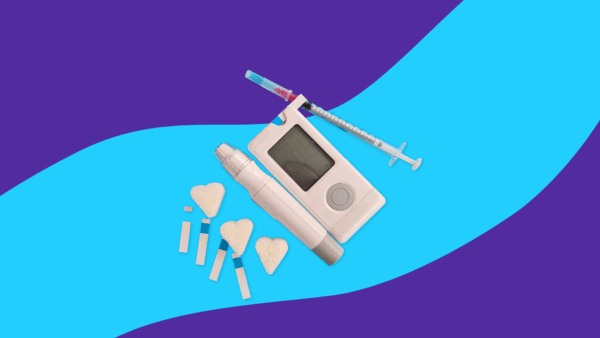
If you’re one of the 40 million Americans with diabetes or you’re managing prediabetes or gestational diabetes, you know how expensive diabetes supplies can be. From glucose meters and test strips to syringes, lancets, and insulin pumps, costs add up quickly. The good news? There are ways to save money or even get some of these products for free.
Get free coupons for diabetic supplies
How to get free diabetic supplies
It’s no secret that the price of medical supplies can be pricey. About 30% of people with diabetes do not self-monitor their sugar levels as directed due to financial strain and the cost of supplies. This can be dangerous when it comes to your ability to control your diabetes.
We’ve put together this information to help you find cost-efficient ways to get diabetic supplies, including free products from drug manufacturers; patient assistance programs, veteran benefits, and insurance, Medicare, or Medicaid coverage. Some states even offer specific savings programs for their residents.
Glucose meters
Glucose meters, also called blood glucose meters or glucometers, measure your blood sugar levels. They typically cost $60 to $100. Some manufacturers offer free meters to encourage ongoing purchases of their supplies. Brands like Contour Next, OneTouch, FreeStyle, and Accu-Chek often provide free meters—check their websites or contact them directly. Before accepting a free glucose monitor, compare prices for compatible test strips and lancets, as they can be costly.
You can also purchase glucose meters over the counter at pharmacies near you without a prescription. Retailers like Walmart and CVS also sell store-brand meters, such as Walmart’s ReliOn line, for as little as $10 to $20, which is often cheaper than a “free” manufacturer meter once you factor in the cost of test strips and lancets.
RELATED: How to save on the Freestyle Libre with SingleCare
Syringes
Some people with diabetes use a syringe to inject insulin that comes in a multi-dose vial.
In most states, patients can purchase insulin syringes without a prescription. However, age restrictions and limits on quantities can vary, so be sure to check the regulations and rules in your state. As with glucose monitors, one way to reduce the cost of insulin syringes is to go directly to the manufacturer. Some manufacturers also offer patient assistance programs, although some eligibility requirements apply.
It can also be beneficial to purchase syringes in bulk to reduce the cost per unit.
Syringes may be covered under Medicare Part D. To access this prescription drug coverage, you must be enrolled in a Medicare drug program. If you are eligible, Medicare Part D may cover syringes used to administer insulin. However, you may still need to pay coinsurance or copayment. A Medicare Part D deductible may also apply.
Pen needles
Many injectable insulins used to treat diabetes come in prefilled pens. This is also true of other diabetes medications, such as GLP-1 receptor agonists for Type 2 diabetes. These pens are associated with ease of use and more accurate dosing and are often preferred over multidose vials. Each use requires attaching a new pen needle for administration. As with syringes, manufacturer pricing may be more cost-effective, and there may be assistance programs qualifying individuals.
Pen needles may be covered under Medicare Part D. Ask your pharmacy to process the claim for pen needles after they process the claim for the medication in the pre-filled pen. Some plans must see the claim for the medication before covering the claim for the pen needles.
If you use a prefilled insulin pen like NovoLog FlexPen, see our guide on how to save money on NovoLog for pen-specific coupons and manufacturer savings cards.
Diabetes test strips
Diabetes test strips help you monitor your blood sugar and are among the most expensive diabetes testing supplies. They can cost $0.15 to $1.50 per strip. To save, buy them in bulk or compare prices online and at pharmacies. You can also purchase test strips without a prescription.
Medicare Part B covers glucose test strips as durable medical equipment, provided your provider and supplier are both enrolled in Medicare. You’ll pay 20% of the approved amount after your deductible.
Medicaid also covers diabetes test strips in every state, though the covered brands, quantity limits, and copays vary depending on where you live. Check with your state Medicaid office or health plan to confirm your plan’s preferred test strip brand before you buy.
Private health insurance may cover test strips, though costs vary based on brand preference and copays. Check which brands are covered and ensure they’re compatible with your glucose meter. The preferred brand for your plan can change every year, so be sure to stay up to date on your formulary changes.
Lancing devices and lancets
Many glucometers come with a lancing device. This is the device used to puncture the skin and produce a blood droplet, typically on your fingertips. If your machine came with a lancing device, you must purchase the lancets compatible with that device, much like test strips. Medicare Part B will also cover lancets with eligible enrollment.
Like with strips, private insurance companies may restrict the brands they cover. Working with your health care provider to align your choice with your formulary can help reduce out-of-pocket costs.
Continuous glucose monitors (CGMs)
Continuous glucose monitors have made it easier to obtain real-time glucose readings with consistency. A person will wear a sensor nonstop that transmits a signal to a reader or smartphone app. The readings are accessible by your prescriber and can aid in better medication choice and dosage based on the person’s patterns. CGMs are covered by Medicare Part B with appropriate eligibility, and patients typically pay 20% of the Medicare-approved amount after meeting their deductible.
Manufacturers do offer patient assistance programs as well as direct-to-consumer medication programs if a local pharmacy cannot provide cost-effective medication.
If you use the Dexcom or FreeStyle Libre systems, see our guides on Dexcom savings card options and whether Medicare covers the FreeStyle Libre for device-specific ways to lower your cost.
Insulin pumps
An insulin pump is a small, battery-operated device that stores and releases insulin. It is most commonly used by those with Type 1 diabetes. These pumps help mimic the way a healthy pancreas would usually function and are considered an expensive but convenient alternative to taking insulin injections multiple times a day.
Insulin pumps are one of the more expensive options for treating diabetes. They have been reported to cost about $4,500 per person per year without insurance, not including additional costs for supplies, which can exceed $1,500.
Insulin pumps can be covered by insurance depending on your health plan. However, many insurers will only cover one pump every few years, so be prepared to keep your pump in working condition for some time.
Other ways people can save on their pumps are to purchase directly from the manufacturer and apply to patient assistance programs.
MedicAlert bracelets
MedicAlert bracelets carry personal information in case of emergencies. They can be as affordable as a few dollars or up to $200 for tech-enhanced options. Some insurance plans reimburse the cost. Non-profits like the Diabetes Research & Wellness Foundation may offer free ID necklaces. Other charitable organizations, such as Insulin for Life USA and the Diabetes Foundation, also redistribute donated glucose meters, test strips, and insulin to people who qualify, so it’s worth checking more than one nonprofit before you pay out of pocket.
VA benefits for veterans
Veterans enrolled in VA health care can often get diabetic supplies — including certain glucose meters, test strips, lancets, syringes, pen needles, and insulin pumps — through the VA pharmacy benefit at little to no cost, depending on your assigned priority group. Supplies are typically mailed directly through the VA’s mail-order pharmacy. Contact your VA primary care provider or local VA pharmacy to find out what’s covered under your plan.
Frequently asked questions about diabetes supplies
How do I get my diabetic supplies through Medicare?
Diabetic supplies are eligible for coverage under Medicare Part B and Part D, depending on the specific item. You may still have to pay a copay or deductible, but the cost could still be less than it would be without Medicare or other insurance.
Are diabetic supplies free at Walmart?
Walmart doesn’t give diabetic supplies away for free, but it sells affordable store-brand options, like ReliOn glucose meters and test strips, that are often cheaper than name-brand products even without insurance or a coupon.
Does Medicaid cover diabetic supplies?
Yes. Medicaid covers diabetic testing supplies, syringes, and other equipment, though the exact brands covered, quantity limits, and copays depend on your state’s program.
Where can I get free insulin?
If you are struggling to pay for your insulin, three drug manufacturers—Eli Lilly, Novo Nordisk, and Sanofi—offer savings or financial assistance programs to those who qualify.
How can you buy diabetes care products online?
There are a number of ways to buy diabetes care products online. Big-box retailers, pharmacies like Walgreens and CVS, and online retailers all offer extensive options of diabetes care supplies, such as test strips. You can also access free coupons from SingleCare to reduce the cost of these supplies.
How SingleCare can help
Although SingleCare is most known for helping people access lower prescription drug prices, we also provide some of the best prices on diabetic supply products, including test strips, syringes, and glucometers like the Freestyle Libre 3 Plus Sensor.
Search for the diabetic supplies you need at singlecare.com/rx, find the lowest price, and show the SingleCare coupon at your pharmacy to start saving today. For a full list of diabetes medications and supplies with active coupons, start at our diabetes coupons hub.
The SingleCare prices in this article are the most accurate at the time of publishing in ZIP code 23666 as of Aug. 24, 2026. Prices vary by pharmacy. Visit our coupon page for updated drug prices at pharmacies near you.
- Statistics about diabetes, American Diabetes Association (2026)
- The Cost of Access to Diabetes Technologies, American Diabetes Association (2026)
- Blood sugar test strips, Medicare.gov (2025)
- Medicare, American Diabetes Association
- 3 things to know about Medicare insulin costs, Medicare.gov
- Continuous glucose monitors, American Diabetes Association (2025)
- Continuous glucose monitors, Medicare.gov
- Who should use a pump, American Diabetes Association (2025)
- Free Diabetes ID Necklace, Diabetes Research and Wellness Foundation (2026)
- Medically accurate: SingleCare’s Medical Review Board analyzes all of our content to confirm it’s in line with current medical advice.
- Evidence-based: Our content is sourced from reputable U.S.-based healthcare professionals and peer-reviewed research.
- Trustworthy: All of SingleCare’s content goes through a multi-phase review process by our writers, editors, and Medical Board in order to provide clear and credible information.