




 Search for articles or Rx savings


Key takeaways
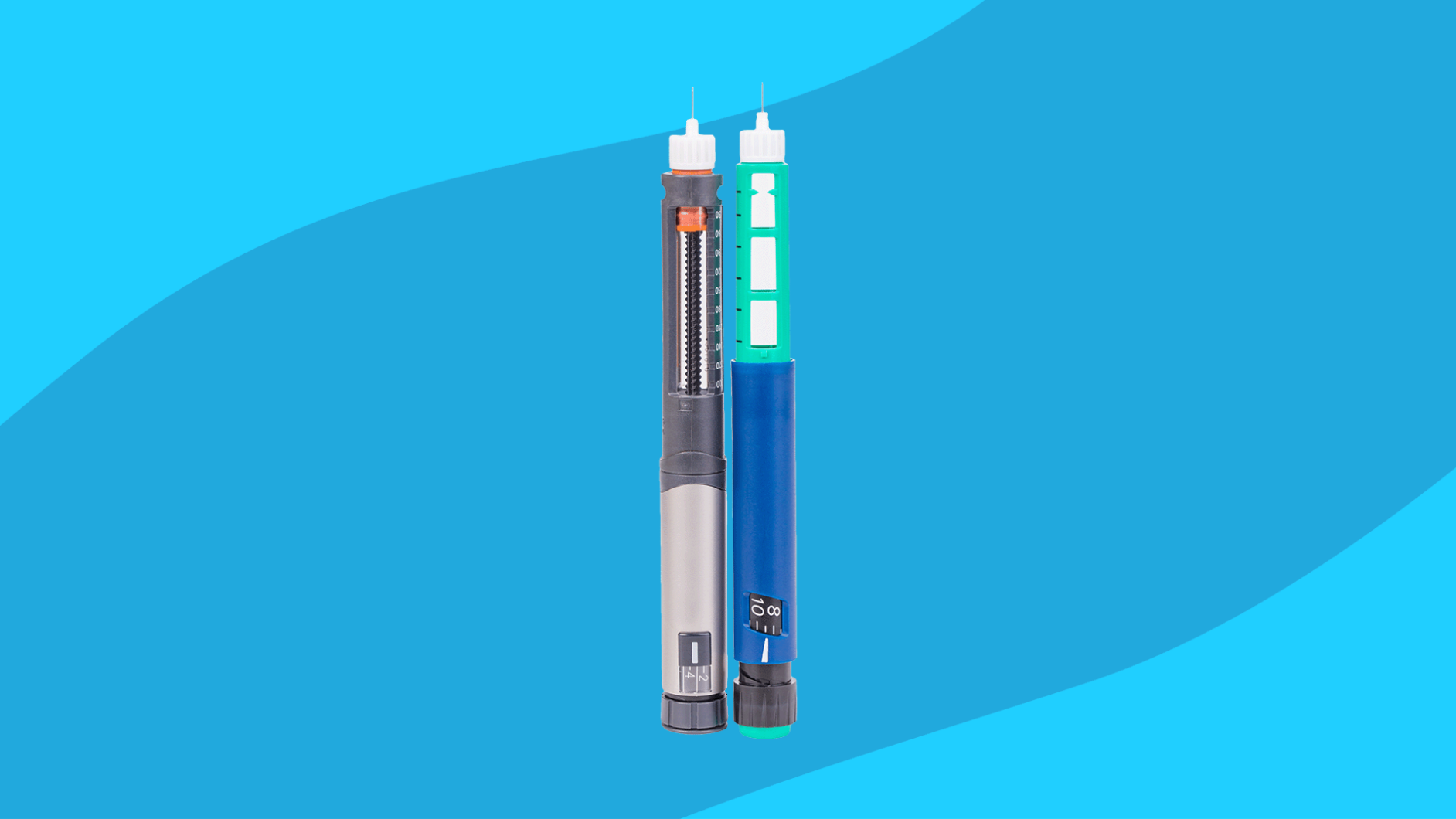
Mounjaro (tirzepatide) is a diabetes medication with weight loss as a side effect.
Off-label prescriptions for Mounjaro as a weight loss drug have led to a Mounjaro shortage.
Mounjaro shortages can negatively impact people’s access to this critical blood sugar control drug.
Now that the Mounjaro shortage is over, compounding pharmacies have limited time to comply with the FDA’s instructions to cease production of compounded tirzepatide.


Mounjaro (tirzepatide), an injectable drug prescribed for high blood sugar in people with Type 2 diabetes, has recently been in short supply. The Food and Drug Administration (FDA) first reported the shortage in December 2022, but availability issues have continued long after that. It wasn’t until October of 2024 that the FDA announced that the shortage had ended.
Like the Ozempic shortage, the reason for the Mounjaro shortage is an increase in demand for the drug. This high demand affects supply. When drugs are in short supply, compounding pharmacies are allowed to make compounded versions. Now that the Mounjaro shortage is over, the FDA may take action on compounding pharmacies that fail to cease production of compounded tirzepatide. We’ll go over the latest updates in more detail and explain how to prepare in the case of future drug shortages.
Introduction to Mounjaro
Mounjaro (tirzepatide) is a weekly injectable medication manufactured by Eli Lilly Inc. It is classified as a dual glucose-dependent insulinotropic polypeptide (GIP) and glucagon-like peptide-1 (GLP 1) receptor agonist. Mounjaro works by increasing insulin output, decreasing glucagon production, and reducing appetite in part by delaying stomach emptying.
“The main purpose of Mounjaro is to treat diabetes,” says Ishita Prakash Patel, MD, a board-certified endocrinologist at Texas Diabetes and Endocrinology in Austin, Texas. However, the combination of appetite suppression and delayed stomach emptying also causes weight loss with Mounjaro. Clinical trials and studies have shown a range of 19.5% to 24.3% body weight reduction, depending on Mounjaro dosage.
Reasons for a Mounjaro backorder
Drugs get backordered for many reasons, from labor shortages to heavily regulated supply chains. But in the case of Mounjaro, the backorders are simply a result of supply and demand.
Though Mounjaro is not FDA approved for use as a weight loss drug, information about its weight loss effects has ramped up requests for off-label prescriptions of Mounjaro for weight loss. High demand for the drug has led to a shortage of Mounjaro, according to Christina Bookwalter, Pharm.D., clinical pharmacist practitioner in Minneapolis, Minnesota.
The good news is that drug shortages don’t last forever. “As more options in this class come on the market, there is less likelihood of shortages,” Dr. Patel says. “In addition, drug companies recognize increased demand and are ramping up production to keep up with the demand.” In the case of Mounjaro, the FDA announced on Oct. 2, 2024, that the shortage was over.
Consequences of Mounjaro shortage
The immediate effect of a Mounjaro shortage is that patients who need the medication to control blood sugar levels cannot get their prescriptions refilled.
“This causes much disarray and disruption in care, as well as the potential for poorer outcomes,” Dr. Patel says. “On the provider end, constant shortages are taxing on our workflow as we have to come up with alternative plans between appointments to address the lack of a necessary drug from a patient’s regimen.”
Ultimately, a Mounjaro shortage stresses both patients and healthcare providers. Patients are impacted most in the short term, as they may miss doses while waiting for a prescription refill or experience new side effects from switching to an alternative medication. Long-term impacts on the healthcare sector may include more stress and demand on doctors and pharmacists.
RELATED: What happens when you stop taking Moujaro?
Another consequence of GLP-1 shortages is that people turn to compounded versions of the FDA-approved versions. This is perfectly legal during a drug shortage, but there are risks. For example, compounded medications aren’t FDA approved, meaning they’re not tested for safety and quality. They may also be more difficult for people to administer when in injected form, since some versions of compounded tirzepatide need to be dosed out of a vial instead of a premeasured autoinjector.
RELATED: Is compounded semaglutide safe?
Mounjaro shortage update
When the FDA announced that the Mounjaro shortage was over, it provided a deadline for compounding pharmacies to stop compounding, distributing, and dispensing compounded tirzepatide injections. State-licensed pharmacies were given until Feb. 18, 2025, and outsourcing facilities were given a deadline of March 19. However, the Outsourcing Facilities Association (OFA) has filed a lawsuit against the FDA, challenging the FDA’s decision to take tirzepatide off of the drug shortage list. As of now, compounding pharmacies have until the initially established deadlines or until the date of the district court’s decision on OFA v. FDA, whichever is longer.
Coping with future Mounjaro shortages
Prescription drug shortages are cause for concern, but patients and healthcare providers still have options. If you are on an injectable medication for blood sugar control and are concerned that you may have trouble refilling your prescription during a Mounjaro shortage, there are a few short-term solutions to consider:
- Ask your healthcare provider to write a three-month prescription. Mounjaro can be filled in one- to three-month supplies. Getting a three-month supply at the pharmacy will give you a reserve should the medication become difficult to obtain. However, if Mounjaro’s supply is low, a pharmacist may refuse to fill a three-month prescription until more of the drug becomes available.
- Call several area pharmacies to ask about their Mounjaro supply. Supplies can vary regionally, so a pharmacy in a neighboring town might have Mounjaro in stock even if your local pharmacy does not.
- Consult your healthcare provider about Mounjaro alternatives. Fortunately, there are multiple prescription medications for Type 2 diabetes.
Mounjaro alternatives
“There are many other medications that can be used to treat Type 2 diabetes,” says Bookwalter. “Unfortunately, Mounjaro is in a drug class of its own based on its unique mechanism of action in the body. The closest drug class would be GLP-1s, which include drugs like Ozempic, Trulicity, and Victoza.”
RELATED: Mounjaro vs. Ozempic: Differences, similarities, and side effects
And then there are brand-name weight loss drugs with the same active ingredients as their diabetes drug counterparts: “Mounjaro is equivalent to Zepbound, which is marketed and labeled for weight loss,” Dr. Patel adds. Tirzepatide is the active ingredient in both drugs.
“Wegovy (semaglutide) and Saxenda (liraglutide) are two additional similar medications that are marketed and labeled for weight loss.”
RELATED: Wegovy vs. Mounjaro: Differences, similarities & side effects
While there are several viable alternatives to Mounjaro for blood sugar control, there are a few things to keep in mind before making a change:
- Switching medications takes time. It might take several weeks to figure out the best new medication and dosage for you.
- Check your insurance coverage before switching. It’s always a good idea to check with your health insurance company before switching medications so you know whether you’ll be covered and be prepared for any out-of-pocket costs.
- Consult your healthcare provider. Switching medications should always be done under the direct supervision of a healthcare provider to avoid interactions with other drugs or medical conditions.
Bottom line
Mounjaro (tirzepatide) is a diabetes medication, but it also causes weight loss. Mounjaro’s weight loss effects have led to an increased demand for off-label prescriptions of the drug. It has also led to an increase in the production of compounded versions. Now that the shortage is over, people taking compounded tirzepatide may be required to switch to an FDA-approved version—whether it’s Mounjaro for Type 2 diabetes or Zepbound for weight loss. Talk to your healthcare provider about your options. You may be able to use insurance or coupons if cost is a factor.
RELATED: 5 Mounjaro savings tips
Lea este artículo en español aquí.
- Current and resolved drug shortages and discontinuations reported to FDA: Tirzepatide injection, Food and Drug Administration (2022)
- Tirzepatide once weekly for the treatment of obesity, The New England Journal of Medicine (2022)
- FDA clarifies policies for compounders as national GLP-1 supply begins to stabilize, Food and Drug Administration (2025)
- OFA vs. FDA, U.S. District Court for the Northern District of Texas, Fort Worth Division(2025)