




 Search for articles or Rx savings


Key takeaways
Zepbound (tirzepatide) is a once-weekly injectable drug used for weight management as well as obstructive sleep apnea. It is not FDA approved for fatty liver disease, but some healthcare providers may prescribe it off-label for this use.
Although preliminary research looks promising, researchers are still investigating whether Zepbound can be an effective treatment for fatty liver disease.
Depending on your insurance plan, Zepbound may or may not be covered for fatty liver disease, but there are ways to save without insurance.


Zepbound is a once-weekly injectable GIP/GLP-1 agonist that was approved by the Food and Drug Administration (FDA) in 2023 for weight loss. In January 2025, Zepbound received another FDA approval—to treat moderate to severe obstructive sleep apnea in adults with obesity. As a fairly new medication, researchers are still exploring other potential uses for Zepbound. While Zepbound is not currently FDA approved to treat fatty liver disease, some healthcare providers may prescribe it off-label for this use.
Zepbound as a treatment for fatty liver disease
Fatty liver disease is a medical condition where fat builds up in the liver. There are two main types:
- Nonalcoholic fatty liver disease (NAFLD) is also called metabolic dysfunction-associated steatotic liver disease (MASLD) or metabolic dysfunction-associated steatohepatitis (MASH). This type is not related to excess alcohol use. There are two types:
- Simple fatty liver, where there is fat in the liver but little or no inflammation or liver cell damage. This type usually does not cause serious complications.
- Nonalcoholic steatohepatitis (NASH), where there is fat in the liver, inflammation, and liver cell damage, which can lead to complications, including cirrhosis and liver cancer.
- Alcoholic fatty liver disease, also known as alcoholic steatohepatitis. This type is due to heavy use of alcohol. When the liver breaks down alcohol, harmful substances are made that can cause inflammation and damage liver cells. The more alcohol you consume, the more liver damage occurs. Alcoholic fatty liver disease is the first stage of liver damage caused by drinking too much alcohol. If drinking continues, it can lead to more serious problems like alcoholic hepatitis and cirrhosis.
The manufacturer of Zepbound, Lilly, is currently researching the effect of Zepbound on fatty liver disease. In a Phase 2 clinical trial called SYNERGY-NASH, patients with MASH and moderate to severe liver scarring were assigned to a Zepbound treatment group or a placebo group (a substance without active medication) for 52 weeks.
The study results found that Zepbound helped many people resolve MASH without worsening liver scarring, with higher doses leading to greater rates of resolution. Zepbound also improved liver scarring in some people. The researchers noted that more trials are needed in order to understand the efficacy and safety of Zepbound for MASH.
Experts believe that GLP-1 receptor agonists (such as Ozempic, which is similar but not exactly the same as Zepbound) help improve fatty liver disease by improving liver health and reducing fat buildup in the liver. They also help lower body weight and improve blood sugar control, which helps improve liver function. In fact, losing 7% to 10% (or more) of body weight can significantly reduce liver inflammation and scarring.
How to use Zepbound for fatty liver disease
Because Zepbound is not FDA approved for fatty liver disease, there is no specific dose outlined for this use. However, healthcare providers may follow the recommended dosing used for weight loss or sleep apnea when prescribing Zepbound off-label for fatty liver disease.
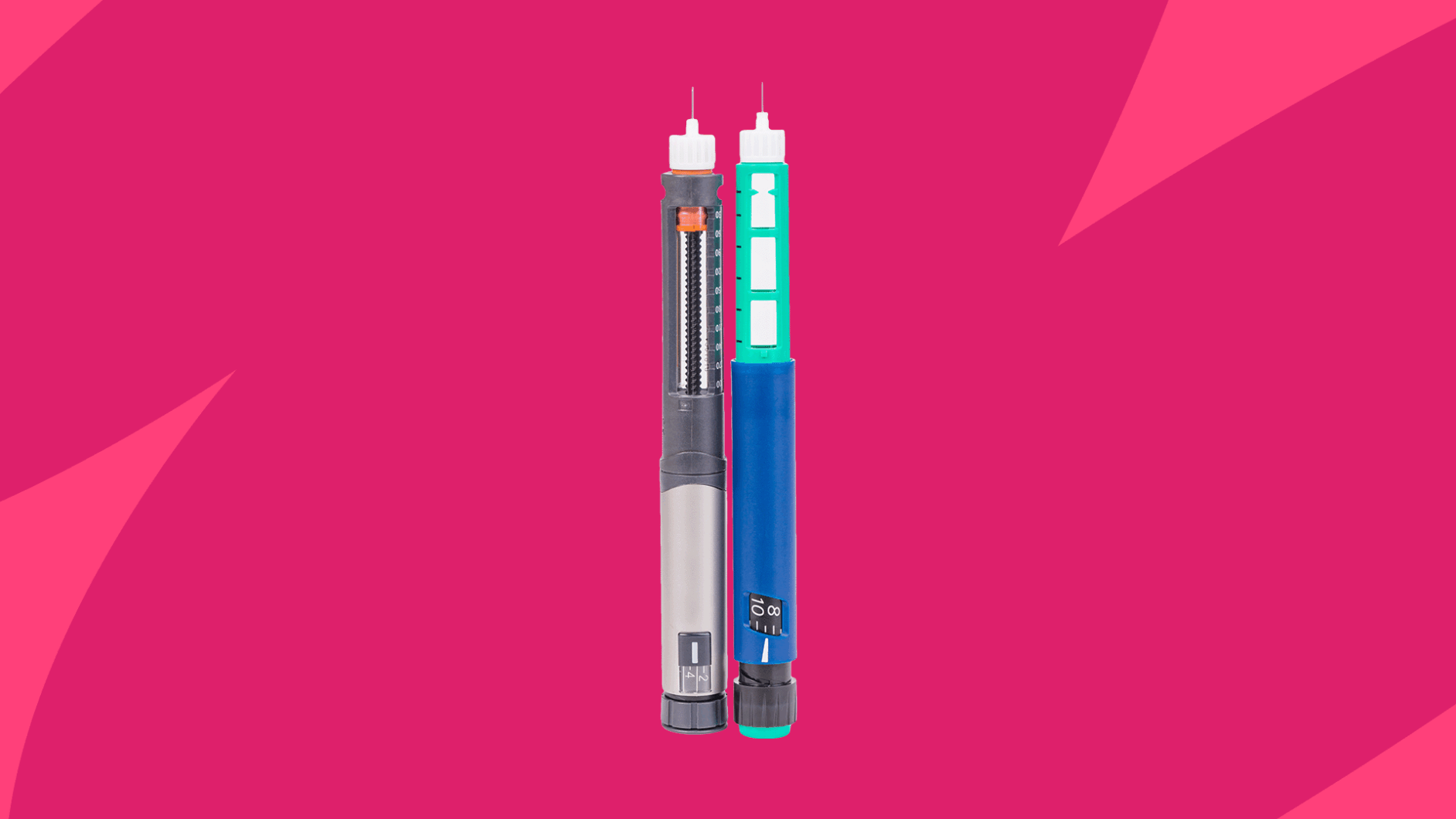
Zepbound is available in the following doses: 2.5 mg, 5 mg, 7.5 mg, 10 mg, 12.5 mg, and 15 mg. Healthcare providers start at the 2.5 mg dose, which is injected subcutaneously (under the skin) once weekly for at least four weeks. The dose is gradually increased (every four weeks, or sometimes longer) to a dose that is effective, while causing the least amount of side effects.
For weight loss and weight maintenance, the recommended maintenance dose is 5 mg, 10 mg, or 15 mg injected once a week. For sleep apnea, the recommended maintenance dose is 10 mg or 15 mg injected once a week. The maximum dose for either use is 15 mg once a week. For both FDA-approved uses, Zepbound is typically prescribed alongside lifestyle changes like diet and exercise.
Zepbound side effects & warnings
As with similar drugs, the most common side effects of Zepbound are stomach-related and include:
- Nausea
- Vomiting
- Diarrhea or constipation
- Stomach pain
- Indigestion and heartburn
- Burping
Other common side effects may include:
- Injection site reactions (redness, itching, pain, or rash near the injection site)
- Allergic reactions
- Tiredness
- Hair loss
This is not a full list of side effects. You can read more about Zepbound side effects, including serious side effects, in the drug’s prescribing information.
Who should not use Zepbound for fatty liver disease?
Zepbound is not safe for everyone. It is important to note that Zepbound, like other similar drugs such as Ozempic, Wegovy, and Mounjaro, contains a boxed warning (black box warning) that states that these drugs have caused certain types of thyroid tumors in animal studies. It is not known if this risk applies to humans; therefore, the following individuals should not use Zepbound:
- People with a personal or family history of medullary thyroid carcinoma (MTC)
- People with Multiple Endocrine Neoplasia syndrome type 2 (MEN 2)
Additionally, anyone who is allergic to Zepbound or any of its ingredients should not use this drug.
Zepbound may cause harm to an unborn baby. You should not use Zepbound if you are pregnant. If you become pregnant while using Zepbound, stop using it right away and call your healthcare provider. If you are taking an oral contraceptive (birth control pill), you will need to use a non-oral contraceptive form of birth control—or add a barrier method, such as a condom—for four weeks after you start using Zepbound, and for four weeks after every increase in dose. It is a good idea to talk to your healthcare provider about the best type of birth control for you.
Additionally, you should also tell your healthcare provider if you are breastfeeding or planning to breastfeed, as it is not known if Zepbound passes into breast milk.
Since Zepbound may cause some serious side effects related to the pancreas, gallbladder, or kidneys, be sure to discuss your full medical history with your healthcare professional before using this medicine.
How much does Zepbound cost?
Without insurance or discounts, Zepbound costs about $1,522 for one box of four, 5 mg injection pens, which is a 28-day supply. This price can vary slightly based on the dose you are using and the pharmacy where you fill your prescription. Using your SingleCare Prescription Discount Card can bring the price down to as low as $950, a savings of $572 per month.
You can also explore other savings options—check the manufacturer’s website for more details.
Will insurance cover Zepbound for fatty liver disease?
Every plan is different—Zepbound coverage varies by health insurance plan. Some insurance plans may cover Zepbound for any use, even a non-FDA-approved use like fatty liver disease. Other plans may only cover Zepbound for FDA-approved uses—currently, weight loss or sleep apnea. Some plans do not cover weight loss medications, so they may not cover Zepbound for weight loss. Many plans will require prior authorization in order to provide coverage for Zepbound.
The best way to find out whether your plan covers Zepbound is to check the plan’s website or call the plan directly. You can ask if they cover Zepbound, and for which uses. You can also ask about your out-of-pocket costs.
Bottom line
Zepbound is FDA approved as a weight loss drug and to treat mild to moderate obstructive sleep apnea. Although some healthcare providers may prescribe Zepbound off-label for fatty liver disease, it is still being researched and is not yet FDA approved for this use. Talk with your healthcare provider for more information and personalized medical advice for the best treatment for your condition.
- Zepbound, DailyMed (2025)
- Mounjaro, DailyMed (2025)
- Fatty liver disease, MedlinePlus (2025)
- Symptoms & causes of NAFLD & NASH, National Institute of Diabetes and Digestive and Kidney Diseases (2021)
- Tirzepatide for metabolic dysfunction-associated steatohepatitis with liver fibrosis, New England Journal of Medicine (2024)
- GLP-1 receptor agonists in non-alcoholic fatty liver disease: Current evidence and future perspectives, International Journal of Molecular Sciences (2023)