





Key takeaways
Cashews are packed with important nutrients like protein, healthy fats, antioxidants, magnesium, and manganese.
Cashews may improve heart health, increase energy and satiety, improve sleep, strengthen bones, support the immune system, and more.
Cashews can be enjoyed as a snack, in stir fry, blended into cashew butter, or as the base for a dairy-free sauce or ice cream.


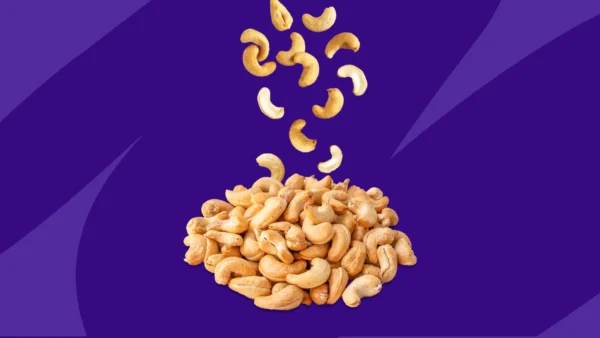
Though often referred to as cashew nuts, this crunchy treat is actually the kidney-shaped seed of a cashew apple, a tropical fruit cultivated in Brazil and India. Rich in nutrients, healthy fats, protein, vitamins, and minerals, cashews are linked to health benefits such as reduced inflammation, increased energy, and more. Read on to learn all of the ways eating cashews can improve your overall wellness, plus some tasty and creative ways to add them to your daily diet.
What are the health benefits of cashews?
“Cashews are a nutrient-dense, easy grab-and-go snack,” says Erica Armstrong, MD, founder of Root Functional Medicine, an online functional medicine practice. Here are nine ways they can enhance your health.
1. Improve heart health
The cardiovascular benefits of cashews come from their high concentration of healthy unsaturated fats. “When we speak about heart-healthy fats, we’re often referring to monounsaturated fats and polyunsaturated fats,” explains registered dietitian Jennifer McDaniel, MS, RDN, the owner and founder of McDaniel Nutrition Therapy in St. Louis. “These fats can reduce inflammation in the body, lower bad cholesterol levels, and raise good cholesterol.”
One study published in Current Developments in Nutrition found that eating cashews can improve triglyceride levels and lower blood pressure. A separate study in the International Journal of Endocrinology and Metabolism found that cashews help lower the ratio of bad to good cholesterol. More studies need to be performed to see if these effects promote a lower risk of heart disease.
2. Boost energy and satiety
“One ounce of dry-roasted cashews contains about 5 grams of protein. While this is a small amount, it still contributes to one’s total daily needs,” McDaniel says. “The combination of protein and fat in cashews makes for a solid snack option that keeps you feeling full and satisfied between meals.”
Indeed, cashews are a healthier alternative to crunchy snack foods such as chips or pretzels. However, they are also high in fat and calories, so it is important to pay attention to portion sizes. Substituting cashews for processed foods, along with other healthy diet choices and exercise, may complement your weight-loss journey. However, while eating cashews can help curb your appetite, there’s no strong evidence to suggest they cause weight loss directly.
3. Support muscle function
Cashews provide about 20% of your recommended daily magnesium intake from just one ounce of nuts. “Magnesium is a mineral that is part of over 500 chemical reactions in the body,” explains Dr. Armstrong. Magnesium maintains muscle health through several mechanisms, including ensuring healthy muscle contraction and relaxation. Magnesium, in combination with calcium, is responsible for allowing you to move around easily and smoothly without getting muscle cramps.
4. Improve sleep
You may enjoy better, more restful sleep thanks to the high magnesium content of cashews. This nutrient plays a key role in helping you fall asleep and stay asleep throughout the night. In a study in the Journal of Research in Medical Sciences, people with insomnia who added magnesium improved numerous measures of sleep quality.
5. Build strong bones
“One ounce of cashews contains 22%-25% of the recommended daily intake of manganese, which plays a vital role in bone formation,” says McDaniel. “It’s a trace mineral, meaning you only need a small amount, but it’s crucial for overall health.” According to a review in Natural Product Communications, low levels of manganese are associated with lower bone density and more bone loss than is experienced by folks who are getting enough of the mineral.
6. Power up the immune system
“Cashews are a good source of copper, which is important for red blood cell formation and immune function,” says McDaniel. “They also offer small amounts of zinc, important to immune health.” Add to those the slew of phytonutrients and antioxidants in cashews, including polyphenols and carotenoids, and you get a snack that will help your body fight off germy invaders.
7. Regulate blood sugar
The combination of fat content and protein in cashews helps balance blood sugar levels, notes Dr. Armstrong. That’s thanks to the way they slow down digestion and the absorption of glucose into the bloodstream, not to mention the fact that cashews themselves are very low in sugar. Numerous studies have found that regular nut consumption is associated with lower fasting blood sugar levels, lower plasma insulin levels, and a decreased risk of Type 2 diabetes.
8. Sharpen eyesight
Cashews contain multiple nutrients critical to eye health, including zinc, vitamin C, healthy fats, and the carotenoids lutein and zeaxanthin. According to the American Academy of Ophthalmology, these vitamins, minerals, and antioxidants are associated with a lower risk of developing age-related eye conditions. In the case of lutein and zeaxanthin, these nutrients are found naturally in the retina and help keep it in tip-top shape. So, maintaining adequate levels of these antioxidants in your diet ensures that there is enough to keep your vision healthy.
9. Reduce inflammation
This perk comes from the antioxidants that cashews contain. These plant compounds fight oxidative damage in your cells to reduce body-wide inflammation. A study published in Nutrients explains that cashews reduce oxidative damage and lower levels of pro-inflammatory cytokines and other markers of inflammation.
Nutrients in cashews |
|
|---|---|
| Calcium | Coupons |
| Iron | Coupons |
| Magnesium | Coupons |
| Phosphorus | Coupons |
| Potassium | Coupons |
| Zinc | Coupons |
| Copper | Coupons |
| Vitamin C | Coupons |
| Thiamine | Coupons |
| Niacin | Coupons |
| Vitamin B6 | Coupons |
| Vitamin K | Coupons |
| Selenium | Coupons |
Cashew nutrition facts
There are no official guidelines for how many cashews you should eat in a day. However, the general advice is to stick to about one ounce (approximately 18 cashews) because they are calorie-dense. “Nutritionally speaking, cashews are on par with most other nuts,” notes McDaniel. They are a good source of protein—beating out walnuts, pecans, and macadamia nuts—but contain less protein than almonds, pistachios, and peanuts.
“Cashews have more magnesium than many other nuts, a milder and subtly sweet flavor, and are softer, so can be easier to chew,” adds Dr. Armstrong. They’re also rich in magnesium, copper, manganese, zinc, and iron, which support energy production, immune system function, and bone health. Additionally, cashews contain B vitamins to support metabolism and brain health, and healthy fats to support cardiovascular function.
Here are the nutrition facts for a one-ounce serving of cashews, according to the USDA FoodData Central.
- Calories: 157
- Total fat: 12.4 grams
- Total carbohydrates: 8.6 grams
- Fiber: 0.9 grams
- Sugar: 1.68 grams
- Protein: 5.2 grams
- Sodium: 3.4 grams
- Calcium: 10.5 milligrams
- Iron: 1.9 milligrams
- Magnesium: 82.8 milligrams
- Phosphorus: 168 milligrams
- Potassium: 187 milligrams
- Zinc: 1.64 milligrams
- Copper: 0.6 milligrams
- Manganese: 0.5 milligrams
- Vitamin C: 0.1 milligrams
- Thiamin: 0.1 milligrams
- Niacin: 0.3 milligrams
- Vitamin B6: 0.1 milligrams
- Vitamin K: 9.67 micrograms
- Selenium: 5.64 micrograms
Are cashews safe for everyone?
Enjoying cashews in moderation is generally safe, but there are a few potential risks to be aware of (especially when large amounts of cashew nuts are consumed):
- Allergic reactions: Allergies to tree nuts like cashews, pecans, and walnuts can cause hives, itching, wheezing, or even life-threatening anaphylaxis in severe cases.
- Gastrointestinal side effects: Eating too many cashews can cause digestive upset, including bloating, gas, constipation, and diarrhea.
- Kidney stones: Cashews contain oxalates, which can contribute to kidney stone formation in individuals with impaired kidney function.
- Decreased mineral absorption: Cashews have phytates that can inhibit the absorption of certain minerals, like iron and zinc.
How to integrate cashews into your diet
Ready to start enjoying the health benefits of cashew nuts? “Cashews are a nutritious and versatile nut that can be incorporated into a healthy diet in many ways,” says Dr. Armstrong. Try one of these suggestions from our experts.
- Enjoy cashews as a healthy snack (avoid salted cashews if you have high blood pressure or heart failure)
- Sprinkle cashews on a vegetable stir-fry
- Add them to homemade granola or homemade trail mix along with dried fruit
- Blend roasted or raw cashews (they are both good for you!) into cashew butter to use as a spread or add to recipes that call for other nut butter, such as smoothies or energy balls
- Use raw, soaked cashews as a base for cashew milk, vegan sauces, or desserts
- Cashew milk and cashew cheese, found in most grocery stores, are popular vegan alternatives in baked goods, smoothies, dips, pasta dishes, and more.
“Cashews can be great to make healthier dairy-free, whole food versions of many sauces and desserts,” Dr. Armstrong says. While there are plenty of options on supermarket shelves these days for dairy-free milk, yogurt, ice cream, and other products, those made with cashews tend to offer a silky smooth texture and mild flavor that comes close to replicating the dairy-based version.
The bottom line
All told, cashews are a delicious and good-for-you addition to any diet. Cashew consumption has numerous health benefits, such as decreasing the risk of cardiovascular disease, curbing appetite, and balancing blood sugar to help with weight management. Plus, they are easy to enjoy as part of a balanced diet.
Looking for a satisfying snack? Cashews or a cashew-based trail mix fit the bill. Want to add mouthwatering flavor and crunch to a meal? Cook up a cashew stir fry. Trying to limit your dairy intake? Consider blending up cashews into a dairy-free sauce or ice cream. Experiment with the uses that you enjoy most that work best for your daily routine.
Lea este artículo en español aquí.
- The effect of cashew nut on cardiovascular risk factors and blood pressure: A systematic review and meta-analysis, Current Developments in Nutrition (2019)
- Effects of daily consumption of cashews on oxidative stress and atherogenic indices in patients with Type 2 diabetes: A randomized, controlled-feeding trial, International Journal of Endocrinology and Metabolism (2019)
- Mixed tree nut snacks compared to refined carbohydrate snacks resulted in weight loss and increased satiety during both weight loss and weight maintenance: A 24-week randomized controlled trial, Nutrients (2021)
- The effect of magnesium supplementation on primary insomnia in elderly: A double-blind placebo-controlled clinical trial, Journal of Research in Medical Sciences (2012)
- Essentiality of manganese for bone health: An overview and update, Natural Product Communications (2021)
- Nuts in the prevention and management of Type 2 diabetes, Nutrients (2023)
- Diet and nutrition, American Academy of Ophthalmology (2024)
- The antioxidant and anti-inflammatory properties of Anacardium occidentale L. cashew nuts in a mouse model of colitis, Nutrients (2020)
- Composition of nuts and their potential health benefits—an overview, Foods (2023)
- Nuts, cashew nuts, raw, USDA FoodData Central (2019)
- Everything you need to know about tree nut allergy, American Academy of Allergy, Asthma & Immunology (2023)
- Can you overdose on nuts? University Hospitals (2023)
- Oxalate nephropathy from cashew nut intake, CMAJ (2017)
- Reduction of phytic acid and enhancement of bioavailable micronutrients in food grains, Journal of Food Science & Technology (2013)
- Medically accurate: SingleCare’s Medical Review Board analyzes all of our content to confirm it’s in line with current medical advice.
- Evidence-based: Our content is sourced from reputable U.S.-based healthcare professionals and peer-reviewed research.
- Trustworthy: All of SingleCare’s content goes through a multi-phase review process by our writers, editors, and Medical Board in order to provide clear and credible information.