





Key takeaways
Like many fruits, cantaloupe provides many essential nutrients, including vitamin A, vitamin C, dietary fiber, and others.
Thanks to antioxidants like beta-carotene and vitamin C, cantaloupe may support immune function and eye health while protecting against oxidative damage.
With 90% water content, cantaloupe is a prime example of foods that can help you stay hydrated.


The warmer months are synonymous with munching on crisp melons on the beach or by the pool. They’re delicious and refreshing, and there are several varieties to choose from. While watermelon remains the most popular melon, cantaloupe is another strong contender. With its smooth consistency and naturally sweet taste, cantaloupe is a mouthwatering snack all on its own or mixed into a colorful fruit salad.
If you need even more reason to add cantaloupe to your summer grocery list, consider its possible health benefits. Cantaloupe is rich in essential nutrients and offers a high water content, making it a nutritious and hydrating choice.
7 health benefits of cantaloupe
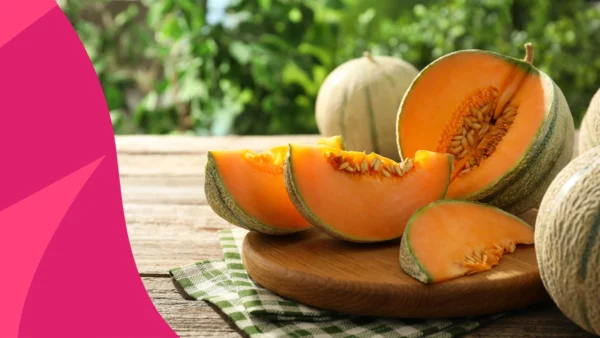
Cantaloupe is a type of muskmelon (Cucumis melo), a species known for its sweet, aromatic flesh and netted rind. Belonging to the Cucurbitaceae plant family, it’s also related to honeydew melon, zucchini, pumpkin, and others. Yet, the many benefits of cantaloupe help set it apart from other fruits.
1. Enhances immune function
A closer look at cantaloupe’s nutrition facts reveals that vitamin C is one of its top nutrients. In fact, a cup of diced cantaloupe provides 57.3 milligrams (mg) of vitamin C, according to the U.S. Department of Agriculture (USDA). To put this into perspective, the average adult needs about 75 to 90 mg of vitamin C per day, so one serving of cantaloupe can account for up to 76% of your daily value.
It’s no secret that all this vitamin C could support your immune system. “Vitamin C is an antioxidant that helps your body fight inflammation and boosts your immune response,” explains Supriya Rao, MD, a gastroenterologist in the Greater Boston area. One meta-analysis found that vitamin C may help reduce the duration of severe cold symptoms.
2. Protects eye health
Cantaloupe is also a rich source of vitamin A, an antioxidant associated with healthy vision, Dr. Rao says. Per USDA data, one cup of cantaloupe provides 264 micrograms (mcg) of vitamin A. The typical adult needs about 700 to 900 mcg of vitamin A daily, so a serving of cantaloupe could account for up to 38% of your daily need.
Similarly, cantaloupe also provides beta-carotene, a pigment that gives the fruit its yellow-orange color. Beta-carotene, too, acts as an antioxidant, and the body converts it to vitamin A, says Amy Brownstein, RDN, a registered dietitian and owner of Nutrition Digested. Both vitamin A and beta-carotene are associated with a reduced risk of retinal diseases, such as age-related macular degeneration (AMD).
Another eye-related perk of cantaloupe? It provides carotenoids lutein and zeaxanthin, which may also help prevent certain eye diseases, Brownstein explains. Higher intake of antioxidants, including lutein and zeaxanthin, can significantly reduce the risk of early AMD, research has shown.
3. Provides hydration
Eating nutrient-rich foods and drinking plenty of water are both part of a healthy lifestyle, and cantaloupe conveniently provides both. Cantaloupe is made up of about 90% water, making it a tasty way to hydrate your body. The Academy of Nutrition and Dietetics recommends 11.5 to 15.5 cups of water from either drinks or food sources per day, noting that cantaloupe is an exemplary source of it.
“Water from cantaloupe can help maintain hydration, which is key to cellular health and organ function,” says William Li, MD, internist and author of Eat To Beat Disease. “For example, good hydration is critical for kidney function, heart health, and brain function.”
4. Reduces the risk of disease
“Cantaloupe is rich in antioxidants that help lower the risk of chronic diseases,” Brownstein says. Namely, it provides vitamins A and C along with beta-carotene, lutein, and zeaxanthin. Plus, cantaloupe contains other vitamins, like vitamin B6, vitamin E, and vitamin K. These antioxidants could lower the risk of heart disease and some cancers, Brownstein says. While evidence suggests that cantaloupe offers some defense against heart disease and may lower the risk of cancers, such as cervical, breast, and colon cancers, more research is needed on this.
Another vitamin found in cantaloupe, vitamin B9 (folate or folic acid), can also help reduce the risk of severe complications during pregnancy. It plays a crucial role in fetal development and can prevent congenital disorders, research shows. However, a standard serving of cantaloupe doesn’t supply enough folate to meet the 600 mcg daily recommendation for pregnancy.
5. Calms inflammation
One of the ways antioxidants, such as those in cantaloupe, benefit the body is through free radical scavenging. Free radicals are unstable molecules that, when left unchecked, can cause cellular damage. This can contribute to increased risk for disease as well as inflammation. As a potentially rich source of antioxidants, cantaloupe has been shown to have anti-inflammatory effects by managing free radicals.
6. Supports skin health
All those antioxidants in cantaloupe can also benefit your skin. “Both vitamin A and vitamin C are essential for collagen formation and wound healing,” Brownstein says. While these vitamins are often applied topically, getting them through your diet may help too. For example, oral vitamin C has been shown to significantly increase the skin’s ability to scavenge free radicals. Oral vitamin C can also improve wound healing outcomes, research shows. Oral vitamin A may even help clear up acne, one review suggests.
7. Contains fiber
Fruits and vegetables are generally good sources of dietary fiber, an essential nutrient that many Americans are lacking. Fiber is particularly important for digestion and blood sugar control, Dr. Rao says. It’s known for keeping things moving along in the digestive tract, which can alleviate constipation and help you feel fuller for longer. A high-fiber diet rich in fruits and vegetables can also significantly improve blood pressure, cholesterol, and other risk factors for heart disease, research shows.
“Cantaloupe has about 1.5 grams of fiber per cup, which is a modest amount,” Dr. Rao says. While there are foods that provide more fiber per serving, every bit counts. The 2020 – 2025 Dietary Guidelines for Americans recommend adults aim for 22 to 34 grams of fiber per day, depending on age and sex. Therefore, a serving of cantaloupe could satisfy up to 7% of your daily need for fiber.
Is cantaloupe safe for everyone?
Cantaloupe is generally safe to eat, Dr. Li says. However, there are some people who should avoid this fruit, such as people who are allergic to cantaloupe. “If you have oral allergies, you might experience itching or tingling after eating cantaloupe,” Dr. Rao says.
Those with diabetes might want to enjoy cantaloupe in moderation. “People with diabetes who need to watch their sugar intake should be cautious in eating cantaloupe because of the high glycemic content of melons,” Dr. Li explains.
In some cases, cantaloupes may carry pathogens that cause foodborne illnesses, such as salmonella and listeria. “Foodborne illnesses can be dangerous for individuals who are immunocompromised, older, or pregnant,” Brownstein says. To reduce your risk, she recommends washing the rind before cutting into cantaloupe and limiting your consumption of pre-cut cantaloupe.
Cantaloupe nutrition facts
Cantaloupe is a rich source of many essential nutrients. It stands out for its concentration of vitamin C and other antioxidants and its high water content. These nutrients contribute to the variety of health benefits of cantaloupe and make it a great addition to your diet, Dr. Rao says.
One cup of diced cantaloupe contains the following, per USDA data:
- Calories: 53
- Protein: 1.31 grams (g)
- Fat: 0.3 g
- Carbohydrates: 12.7 g
- Fiber: 1.4 g
- Vitamin C: 57.3 mg
- Vitamin A: 264 mcg
- Folate: 32.8 mcg
- Potassium: 417 mg
Bottom line: Is cantaloupe good for you?
Cantaloupe isn’t just a refreshing treat on a warm beach day—it’s packed with essential nutrients and antioxidants, including some that could reduce your risk of certain diseases. It’s also a tasty way to fill common nutrient gaps, such as dietary fiber, and sneak in more hydration.
Ripe cantaloupes tend to be the most nutritious, preferably during the summer months when they’re in season. Look for cantaloupes with a sweet aroma, firm rind, and slightly yellow tone. A little give where the stem once was is another sign of a ripe, juicy cantaloupe.
While cantaloupe can last at room temperature, it will continue to ripen if left on the counter. To make fresh cantaloupe last longer, give it a good wash, cut it open, and store the flesh in an airtight container in the refrigerator. You can enjoy freshly cut cantaloupe on its own, add it to fruit salads, or get a little more creative. Some recipes involve using this melon in drinks, smoothies, sorbets, Greek yogurt bowls, and more.
- Melons, cantaloupe, raw, U.S. Department of Agriculture FoodData Central (2019)
- Vitamin C fact sheet for health professionals, National Institutes of Health Office of Dietary Supplements (2021)
- Vitamin C reduces the severity of common colds: a meta-analysis, BMC Public Health (2023)
- Vitamin A and carotenoids fact sheet for health professionals, National Institutes of Health Office of Dietary Supplements (2025)
- Lutein and zeaxanthin and their roles in age-related macular degeneration—neurodegenerative disease, Nutrients (2022)
- Variations of physical properties, bioactive phytochemicals, antioxidant capacities and PPO activities of cantaloupe melon (Cucumis melo L.) slices subjected to different drying methods, Frontiers in Nutrition (2025)
- How much water do you need?, Academy of Nutrition and Dietetics (2024)
- A scoping review on Cucumis melo and its anti-cancer properties, The Malaysian Journal of Medical Sciences (2024)
- Folic acid and the prevention of birth defects: 30 years of opportunity and controversies, Annual Review of Nutrition (2023)
- Insights on the nutritional profiling of cantaloupe (Cucumis melo l.) via 1-naphthalene acetic acid, Plants (2023)
- Evidence-based utility of adjunct antioxidant supplementation for the prevention and treatment of dermatologic diseases: A comprehensive systematic review, Antioxidants (2023)
- A systematic review on the role of vitamin C in tissue healing, Antioxidants (2022)
- Oral vitamin A for acne management: A possible substitute for isotretinoin, Journal of Drugs in Dermatology (2022)
- Multivariate analysis of amino acids and health beneficial properties of cantaloupe varieties grown in six locations in the United States, Plants (2020)
- Effectiveness of high-fiber, plant-based diets in reducing cardiovascular risk factors among middle-aged and older adults: A systematic review, Cureus (2024)
- 2020 – 2025 Dietary Guidelines for Americans, U.S. Department of Agriculture (2020)
- Medically accurate: SingleCare’s Medical Review Board analyzes all of our content to confirm it’s in line with current medical advice.
- Evidence-based: Our content is sourced from reputable U.S.-based healthcare professionals and peer-reviewed research.
- Trustworthy: All of SingleCare’s content goes through a multi-phase review process by our writers, editors, and Medical Board in order to provide clear and credible information.