





Key takeaways
“Golden dosing” refers to using leftover medication from GLP-1 injection pens to try to create an extra dose. This practice is popular on social media but is not recommended.
While some pens may appear to have leftover medicine, this small amount is either used for flow testing (Ozempic) or is a slight manufacturing overfill—not intended for use as an extra dose.
Taking extra or unmeasured doses of GLP-1 medications can lead to incorrect dosing, severe side effects, dehydration, low blood sugar, and infections.


If you use an injectable medication like Ozempic, Wegovy, Mounjaro, or Zepbound, you know that they can be effective—yet pricey. These popular medications are used to treat conditions such as Type 2 diabetes and obesity. You may have seen people on TikTok or other social media platforms sharing “golden dose” hacks—ways to get an extra dose out of an injection pen. However, doing so can be dangerous and unpredictable, and is not recommended by medical experts.
What is the “golden dose” or “5th dose?”
Online communities and social media users may use terms like “golden dose” or “fifth dose,” among other terms, to describe an extra injection that they squeeze out of a pen beyond the standard four weekly doses.
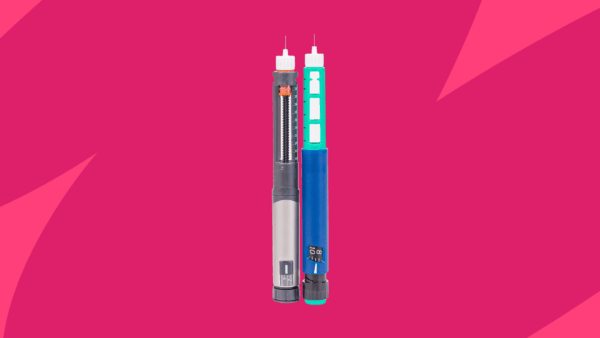
Drugs like Ozempic and Wegovy (glucagon-like peptide-1 agonists (GLP-1s) that contain the active ingredient semaglutide), as well as Mounjaro and Zepbound (GIP/GLP-1 agonists that contain the active ingredient tirzepatide), are injected once a week. Although their effects and injection schedules are similar, the injection devices vary slightly:
- Ozempic comes in a multi-use pen, where you dial up the weekly dose.
- Wegovy, Mounjaro, and Zepbound are supplied as single-use prefilled pens (though in some cases, other forms, such as single-dose vials, may be available directly from the manufacturer).
To try to draw out a “golden dose,” people may attempt things like:
- With Ozempic, turning the dial for extra clicks to attempt to dial up an extra dose after the last dose
- With a Wegovy, Zepbound, or Mounjaro pen, trying to “hack” the injector device and using a syringe to withdraw any leftover medicine
Why is there leftover semaglutide or tirzepatide in GLP-1 pens and vials?
GLP-1 receptor agonists may appear to contain leftover medicine after the final dose—but that small amount is intentional, and not meant to be used as an extra dose.
With Ozempic specifically, patients are instructed to perform a “flow check” before using a new pen. This involves testing the pen to make sure a drop appears and that it is working properly to deliver the dose—some people may need to test the pen several times. There is some extra medicine in the pen to account for liquid used during the flow check. However, this extra medicine is not intended for additional dosing.
With Wegovy, Mounjaro, and Zepbound, flow checks are not required. However, some users have anecdotally reported “hacking” the pens to extract leftover medicine. As with Ozempic, any leftover medicine is not intended to be used as an extra dose.
Risks of taking extra or leftover GLP-1 medication
When GLP-1s were in shortage, many patients used compounding pharmacies to purchase semaglutide and tirzepatide injections. The shortage has been resolved, so people can now use the brand-name drugs that are approved by the Food and Drug Administration (FDA). However, we know that when these medicines were provided in different forms, such as a vial with syringes that required users to draw up their own doses, there was a higher risk of dosing errors. According to the University of Utah Poison Control Center and the FDA, these dosing errors can lead to overdoses and severe side effects. While gastrointestinal side effects are common with typical doses of GLP-1s, when you inject too much, there is a greater chance of having serious nausea, vomiting, and diarrhea, which can cause severe dehydration that may require hospital care.
RELATED: Are there generic GLP-1 drugs?
Similarly, trying to withdraw leftover medicine from an injection pen carries the same risks. These medications are designed to be used as directed, with exact measured doses. In addition to severe stomach-related side effects, taking extra or unpredictable amounts can result in problems such as incorrect dosing. For example, injecting too much medicine can lead to serious side effects, while injecting too little can be ineffective. If you are using the medicine for Type 2 diabetes, injecting too much could cause low blood sugar, or hypoglycemia, and injecting too little could lead to ineffective control of blood sugar levels.
Hacking your pen can also end up disrupting your dosing schedule. What’s more, tampering with injection devices increases your risk of infection.
Even though golden dosing may seem like a clever hack, the potential health risks outweigh the short-term benefits.
What to do with leftover GLP-1 medication
You should always store your injection pen according to the manufacturer’s instructions and safely dispose of any leftover medication once your prescribed doses are complete. Do not attempt to save or reuse leftover medicine for an extra dose.
- With Ozempic, discard the pen when you’ve used all prescribed doses, or after 56 days of first use—whichever comes first. If there’s not enough medication left for a full dose, do not use it.
- With Wegovy, Mounjaro, and Zepbound, each pen is for a single use. Discard the pen after each injection, even if there appears to be medicine remaining.
For more detailed guidance about storage and disposal, check the manufacturer’s website or the “Patient Instructions for Use” for your specific medication. You can also find information about proper sharps disposal on the FDA website.
Bottom line: Golden dosing is dangerous
Although there may appear to be medicine left in your injection pen after use, it is not intended to be removed from the pen or reused as an extra dose. This practice of “golden dosing” may seem appealing at the prospect of saving some money but can result in problems such as overdosing and infection and should be avoided. If you have any questions or concerns about GLP dosing, consult your healthcare provider for medical advice.
Weight Loss Coupons & Resources
- Ozempic, DailyMed (2025)
- Using your Ozempic pen, Novo Nordisk
- Wegovy, DailyMed (2024)
- Mounjaro, DailyMed (2025)
- Zepbound, DailyMed (2025)
- Prevent dosing errors when using GLP-1 medicine, University of Utah Poison Control Center (2025)
- FDA’s concerns with unapproved GLP-1 drugs used for weight loss, Food and Drug Administration (2025)
- Medically accurate: SingleCare’s Medical Review Board analyzes all of our content to confirm it’s in line with current medical advice.
- Evidence-based: Our content is sourced from reputable U.S.-based healthcare professionals and peer-reviewed research.
- Trustworthy: All of SingleCare’s content goes through a multi-phase review process by our writers, editors, and Medical Board in order to provide clear and credible information.