




 Search for articles or Rx savings


Key takeaways
Paxlovid, an oral COVID-19 treatment, retails for $2,048 for a 30-tablet therapy pack.
A Paxlovid copay program is available for people who have private insurance and meet other eligibility requirements.
Patients without insurance can save up to 30% by using a free SingleCare Paxlovid coupon.


Paxlovid is a brand-name prescription medication consisting of two antiviral drugs packaged together and taken at the same time: pink nirmatrelvir tablets and white ritonavir tablets. Paxlovid is approved by the Food and Drug Administration (FDA) to treat mild to moderate coronavirus disease (COVID-19) in adults who are at high risk of worsening symptoms and subsequent hospitalization or death. Children ages 12 and older who weigh at least 88 pounds can also be prescribed Paxlovid due to the FDA’s temporary emergency use authorization. This medication can be expensive, but you can lower the cost by using a Paxlovid coupon card or applying for financial assistance.
How much does Paxlovid cost without insurance?
Without insurance, the average retail price of Paxlovid is $2,048 for 1, 30-tablet therapy pack. A total of six tablets are taken each day: two 150 mg nirmatrelvir tablets twice per day and one 100 mg ritonavir tablet twice per day. Paxlovid is taken for five days in a row, and the total cost equals about $408 per day or $68 per tablet.
Some people are surprised by the high cost of Paxlovid because this medication was free when it first launched. “Until May 11, 2023, the U.S. government provided Paxlovid at no cost under the COVID-19 Public Health Emergency (PHE). After the PHE expired, Paxlovid distribution transitioned to the commercial market,” explains Steven Goldberg, MD, MBA, the chief medical officer of HealthTrackRx and a physician in Louisville, Kentucky. “Patients are often unaware of the shift from free access; therefore, clear communication is essential at both the pharmacy and clinic levels.”
Does insurance cover Paxlovid?
“In my experience, most major insurers do cover Paxlovid under emergency use provisions,” says Rasoul Montazeri, a triple board-certified physician based in Irvine, California.
That said, insurance coverage for Paxlovid varies by plan, so it’s best to check your specific plan’s drug formulary for details. If Paxlovid isn’t covered, your healthcare provider can file an exception request with the insurance company.
“I’ve successfully filed exception requests citing patient-specific risk factors, particularly older adults or those with multiple comorbidities,” Dr. Montazeri says. “Insurers often approve when the clinical rationale is strong, but the process can delay treatment, which is concerning since Paxlovid’s efficacy is highest when started within five days of symptom onset.”
Your out-of-pocket costs also vary by plan. Paxlovid is listed as a preferred brand on some drug formularies and as a nonpreferred brand on others. Expect to pay a higher copay or coinsurance if Paxlovid is a nonpreferred brand or has a high tier number.
Your plan’s deductible and coinsurance dictate how much you’ll spend out-of-pocket for Paxlovid. If you have a high deductible plan, you may be able to save more money by using a SingleCare coupon instead of filing a claim with your insurance company. We’ll share how it works below.
How to save money on Paxlovid
If you don’t have $2,000 to spend on Paxlovid, there are several ways to save money on this prescription.
1. Paxlovid coupons from SingleCare
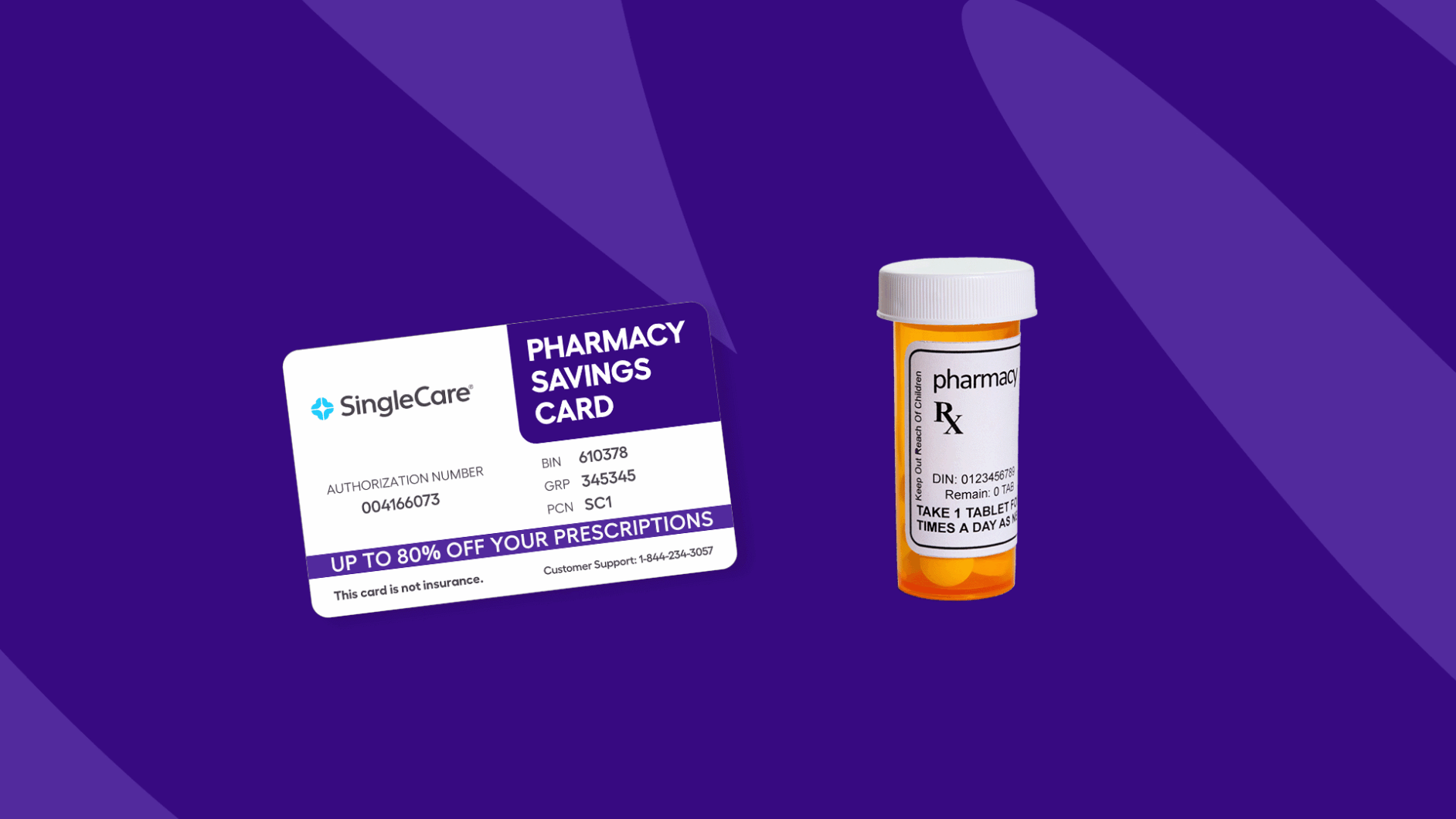
A free SingleCare prescription discount card could save you up to 30% on Paxlovid. The lowest price available is $1,444 per 30-tablet therapy pack. That’s more than $600 less than the average retail price of Paxlovid. Prices can vary based on location, pharmacy, and medication form and quantity.
SingleCare coupon cards are easy to access and use. Go to the Paxlovid coupon page, enter your ZIP code, and compare prices at pharmacies near you. Click the “Get free coupon” button next to the pharmacy you want to use. A unique SingleCare discount card will be generated for you, and you’ll see options to text, email, or print the card to save it.
Take your written prescription to the pharmacy you chose, and present the coupon information during checkout to receive the discount. If you don’t have a written prescription, talk to your healthcare provider to make sure the prescription information is sent to the correct pharmacy.
2. Paxlovid copay savings program
Pfizer Inc., the manufacturer of Paxlovid, offers a savings card that can only be used by commercially insured patients. If you have Medicare, Medicaid, Tricare, or any other government-funded health insurance plan, you may be eligible for the Pfizer patient assistance program (see below).
The Paxlovid savings card covers the amount of your copay up to $1,500 per use and per year. It’s not accepted at all pharmacies, so call ahead to avoid any issues. If you can’t find a pharmacy that accepts this copay program, you can mail a rebate form to Pfizer to be reimbursed up to $1,500. You’ll need to pay the full retail price when collecting your prescription.
The Pfizer copay card can’t be combined with other offers like the SingleCare card, so consider which one will save you the most money.
3. Patient assistance program
A U.S. Government Patient Assistance Program (USG PAP) called PAXCESS provides free Paxlovid to people who don’t have commercial insurance. People with Medicare, Medicaid, or no insurance are eligible for this program. PAXCESS is funded by the federal government but managed by Pfizer. It ends on Dec. 31, 2025.
4. Medicare Extra Help
If you qualify for Medicare Extra Help, a low-income subsidy program, you could pay $12.50 or less for Paxlovid and other prescriptions. Extra Help also pays 100% of your Medicare premium and deductible.
Receiving any of the following automatically enrolls you in Medicare Extra Help:
- Full Medicaid coverage
- State-funded Medicare Part B premiums
- Supplemental Security Income (SSI)
Otherwise, you can apply for the Extra Help program if you meet the income requirements.
Is there a cheaper alternative to Paxlovid?
“There are alternatives, but none match Paxlovid’s outpatient effectiveness,” Dr. Goldberg says. Still, your risk of developing severe COVID-19 may be lowered with Lagevrio (molnupiravir) or Veklury (remdesivir).
Lagevrio may be more affordable than Paxlovid, depending on your insurance coverage. Lagevrio reduced the risk of severe COVID-19 by 30% in clinical trials, but Paxlovid has a much higher risk reduction rate of 88% and prevents long-COVID symptoms in up to 26% of patients.
Veklury costs as little as $1,275 with a SingleCare coupon, making it about $169 cheaper than Paxlovid. However, it must be administered via IV by a healthcare professional, which may ultimately add to the cost. Paxlovid tablets may be more convenient for home recovery.
“Supportive care or monoclonal antibodies may be considered, though availability and cost-effectiveness vary by region,” Dr. Montazeri says.
A healthcare professional can determine the best course of treatment for you. If it’s Paxlovid, know that you don’t have to pay the full retail price for this potentially life-saving medication.
The SingleCare prices in this article are the most accurate at the time of publishing in ZIP code 23666 as of Dec. 9, 2025. Prices vary by pharmacy. Visit our Paxlovid coupon page for updated Paxlovid prices near you.
- Copay rebate form, PAXCESS (2025)
- Help with drug costs, Medicare
- Merck and Ridgeback Biotherapeutics provide update on results from MOVe-OUT study of molnupiravir, an investigational oral antiviral medicine, in at risk adults with mild-to-moderate COVID-19, Merck (2021)
- Pfizer receives U.S. FDA emergency use authorization for novel COVID-19 oral antiviral treatment, Pfizer (2021)
- Association of treatment with nirmatrelvir and the risk of post-COVID-19 condition, JAMA Internal Medicine (2023)