




 Search for articles or Rx savings


Key takeaways
Ozempic (semaglutide) is a medication used for Type 2 diabetes. It is not typically approved to treat prediabetes.
Coverage for Ozempic to treat prediabetes is unlikely, but it can depend on your specific health plan.
There are no FDA-approved drugs for prediabetes, although metformin is recommended by the American Diabetes Association for this purpose.


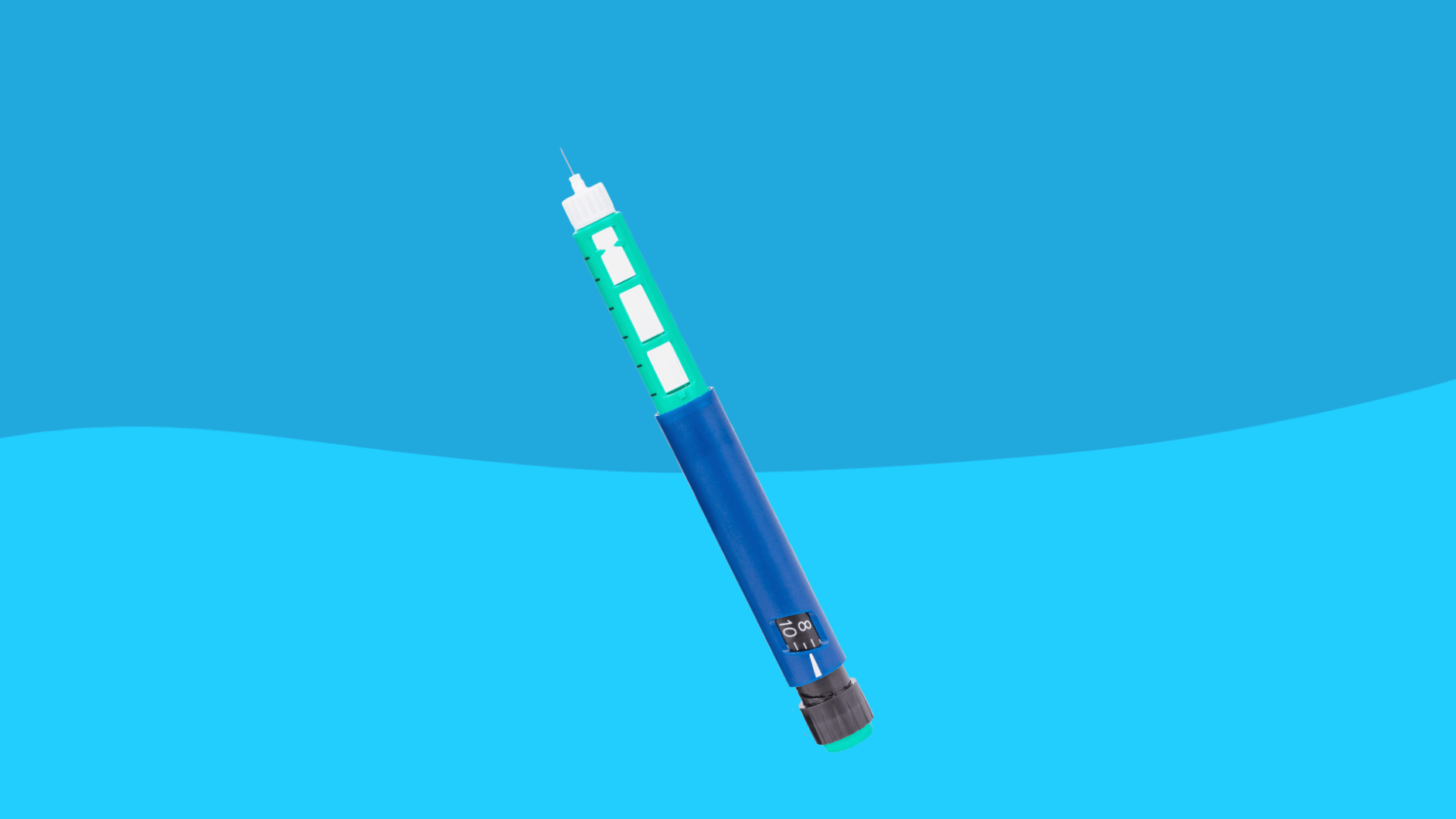
Ozempic (semaglutide) is a prescription injection used once a week to help manage Type 2 diabetes. The drug is part of a group of medications called glucagon-like peptide-1 (GLP-1) receptor agonists, which help lower blood sugar among other actions. Ozempic is approved by the Food and Drug Administration (FDA) for three uses: to improve blood sugar control in people with Type 2 diabetes, to lower the risk of heart attack or stroke in people with Type 2 diabetes and heart disease, and to slow down kidney disease in people with Type 2 diabetes and kidney disease. Despite its growing list of indications, Ozempic is not approved to treat prediabetes.
Does Ozempic help treat prediabetes?
If your blood sugar is higher than normal but doesn’t meet the levels to be diagnosed as Type 2 diabetes, you may have prediabetes. Healthcare providers diagnose prediabetes with blood tests measuring your blood sugar without food (fasting blood sugar) and your average blood sugar control over the last few months, through a blood test for hemoglobin A1c (HbA1c).
Insulin is a hormone that helps regulate blood sugar levels. When the body doesn’t respond to insulin properly, it’s called insulin resistance and can lead to a host of conditions, such as prediabetes. Factors that increase the risk of prediabetes include:
- Having obesity or a large waist size
- Being 35 or older
- Having a family history of diabetes
- Having a medical history of gestational diabetes, polycystic ovary syndrome (PCOS), or sleep apnea
- Not being physically active
Treatment for prediabetes includes lifestyle changes such as an active lifestyle, a balanced diet, and stress management. There are currently no medications that are FDA approved to treat prediabetes.
Semaglutide, the active ingredient in Ozempic, acts on the body to help it better control blood sugar. Results from a clinical trial published in 2024 showed that weekly semaglutide injections were better than placebo at controlling blood sugar in people with prediabetes and obesity. This suggests that people with obesity and prediabetes may benefit from semaglutide. Richa Mittal, MD, an obesity medicine specialist and founder of Radiant Health Dallas in Dallas, Texas, says that semaglutide could help people with prediabetes because it helps the pancreas produce insulin to control blood sugar. It can also support weight management, which helps with insulin resistance.
Does insurance cover Ozempic for prediabetes?
Because prediabetes often leads to Type 2 diabetes, some healthcare providers may prescribe it off-label to help slow or prevent that transition. Still, since Ozempic is only approved for use in people with Type 2 diabetes and related heart or kidney conditions, insurance is unlikely to cover it when prescribed for prediabetes alone. Ultimately, coverage depends on your health plan and whether you meet certain medical criteria.
Many insurance plans, including certain plans from providers such as Blue Cross Blue Shield and Aetna, do cover Ozempic for people with a confirmed diagnosis of Type 2 diabetes. Medicare Part D may cover Ozempic as a diabetes treatment, and some state Medicaid programs include it on their drug formularies (list of covered drugs). But the requirements for coverage can vary widely.
How to get insurance to cover Ozempic for prediabetes
Some insurance plans may cover medications prescribed for off-label use, but getting approval often takes extra steps. If your healthcare provider prescribes Ozempic for prediabetes, your insurer may require additional documentation showing that it’s medically necessary.
Getting insurance to cover Ozempic for prediabetes may include prior authorization, where your healthcare provider submits records explaining why Ozempic is needed. In some cases, the insurance provider may ask for step therapy, which is proof that you’ve already tried and not had success with other, lower-cost treatments like lifestyle changes or medications such as metformin.
Even with these steps, coverage approval isn’t guaranteed. If you’re denied coverage, you can appeal the decision and ask your healthcare provider to help submit more detailed documentation.
How much does Ozempic cost without insurance?
Without using insurance, the average cost of Ozempic is $1,388 for 1, 3 mL of 2 mg/3 mL multidose pen. Each pen has four doses, one for each week, which is about a one-month supply. This means a year’s supply of Ozempic without insurance could cost $16,656.
With insurance coverage, prescription discount cards, or patient assistance programs, the cost of Ozempic can be much lower.
What to do if your health insurance doesn’t cover Ozempic
If your health insurance plan denies coverage for Ozempic for prediabetes, you still have options to manage costs and explore alternatives. You may be able to reduce the out-of-pocket price, file an appeal, or consider other treatments recommended by healthcare providers.
Use a SingleCare coupon
Prescription discount coupons can make the cost of a drug more affordable when paying without insurance. If you use a SingleCare Prescription Discount Card, you can pay about $825 per 1, 3 mL 2 mg/3 mL multidose pen. That’s a savings of 40%. It’s free to sign up for the SingleCare Prescription Discount Card, and you can use it at many major pharmacy chains.
File an appeal
If your insurer denies coverage, you can file an appeal. Start by contacting your insurance provider to understand the reason for the denial and request details about their appeal process. With support from your healthcare provider, you can submit an appeal letter explaining the medical need for Ozempic. In some cases, your healthcare provider may also submit documentation or request a review to support the appeal.
Consider alternative treatments
Currently, there are no FDA-approved medications to treat prediabetes. The American Diabetes Association recommends metformin for the treatment of prediabetes, but it’s still considered an off-label use. Typical treatment of prediabetes involves lifestyle changes such as quitting smoking, weight management, more physical activity, and a balanced diet.
One structured option is the National Diabetes Prevention Program (DPP), a year-long lifestyle change program developed by the Centers for Disease Control and Prevention. It includes weekly to monthly meetings with a lifestyle coach and a support group, along with educational materials and tools for behavior change.
Many insurance plans, employers, and community health organizations offer DPPs at low or no cost. Medicare Part B covers the Medicare Diabetes Prevention Program in full for people who qualify, as long as it’s delivered by a Medicare-approved provider. In a 2020 study, DPPs reduced hospital stays and healthcare costs.
- Insulin resistance & prediabetes, National Institute of Diabetes and Digestive and Kidney Diseases (2025)
- Efficacy and safety of once-weekly semaglutide 2.4 mg versus placebo in people with obesity and prediabetes (STEP 10): a randomised, double-blind, placebo-controlled, multicentre phase 3 trial, The Lancet Diabetes & Endocrinology (2024)
- With prediabetes, action is the best medicine, American Diabetes Association
- Prevention or Delay of Diabetes and Associated Comorbidities: Standards of Care in Diabetes—2025, Diabetes Care (2025)
- About the Lifestyle Change Program, CDC (2024).
- Medicare Diabetes Prevention Program, Medicare.gov
- Cost savings and reduced health care utilization associated with participation in a digital diabetes prevention program in an adult workforce population, Journal of Health Economics and Outcomes Research (2020)