




 Search for articles or Rx savings


Key takeaways
Six Xifaxan 550 mg tablets cost about $461 without insurance or discounts.
A free SingleCare Xifaxan coupon may lower the price to $335, regardless of your insurance status or income.
If you meet certain eligibility criteria, you may be able to get free or low-cost Xifaxan through other programs.


Xifaxan (rifaximin) is a brand-name prescription antibiotic that treats irritable bowel syndrome with diarrhea (IBS-D) and traveler’s diarrhea caused by E. coli. It can also help reduce the risk of overt hepatic encephalopathy (HE). Although it’s an effective and well-tolerated drug, it may be more costly than alternatives since there’s no generic available. A Xifaxan savings card from SingleCare can help lower the cost of this medication regardless of insurance coverage.
How much does Xifaxan cost?
The average retail price of Xifaxan is $461 per 6, 550 mg tablets. This is enough to last two to three days, depending on the condition being treated.
For example, the recommended dose of Xifaxan for diarrhea caused by IBS is 550 mg taken three times per day for 14 days. Without insurance or discounts, the total retail cost of treatment would be more than $3,000.
To prevent overt hepatic encephalopathy, a condition where toxins from the liver reach the brain and cause neurological symptoms, 550 mg of Xifaxan is taken two times per day for as long as necessary. This would cost about $146 per day without insurance.
Save up to 80% on Xifaxan with SingleCare Different pharmacies offer different prices for the same medication. SingleCare helps find the best price for you.


Does insurance cover Xifaxan?
Insurance often covers Xifaxan, but coverage varies from plan to plan. As a brand-name medication, Xifaxan tends to fall into higher tier levels, usually Tier 3 (preferred brand-name drug), Tier 4 (non-preferred drug), or Tier 5 (specialty drug). Most health insurance plans charge higher copays or coinsurance for high-tier drugs.
Insurance companies may also impose quantity limits for Xifaxan, which means you can only receive a certain number of pills from the pharmacy per fill or per month. Prior authorization may also be required before your insurance company will pay for its share of Xifaxan.
Does Medicare cover Xifaxan?
Many Medicare Part D plans cover Xifaxan, but not all do. The cost of Xifaxan with Medicare varies from plan to plan. Typically, you’ll pay the full out-of-pocket cost until you reach the plan’s deductible, although some plans share the cost before the deductible. After that, you’ll pay coinsurance, which varies from plan to plan. As with commercial insurance plans, Medicare Part D plans tend to classify Xifaxan as Tier 3 or higher. Usually, you’ll pay a different copay or coinsurance percentage for each tier.
For example, HealthPartners places Xifaxan into Tier 5 for its Minnesota Medicare plans. Tier 5 drugs have a 25% coinsurance for HealthPartners’ Journey Smart and Journey Pace plans and a 27% coinsurance for the Journey Stride and Journey Steady plans. Assuming you’ve already reached the plan’s deductible ($200–$400 in this case), you would pay about $110–$118 for 6, 550 mg Xifaxan tablets.
Every Medicare plan is different, so consult your specific formulary and plan details to learn how much you’ll owe at the pharmacy.
How to save money on Xifaxan
Xifaxan can be expensive for some people, even with insurance. You may be eligible for Xifaxan coupons, savings cards, low-income subsidies, and patient assistance programs that may help reduce your out-of-pocket costs. Some methods can’t be combined with insurance, while others are only available to people with certain kinds of insurance. Compare all of your eligible options to find the best Xifaxan savings.
1. Free Xifaxan coupons
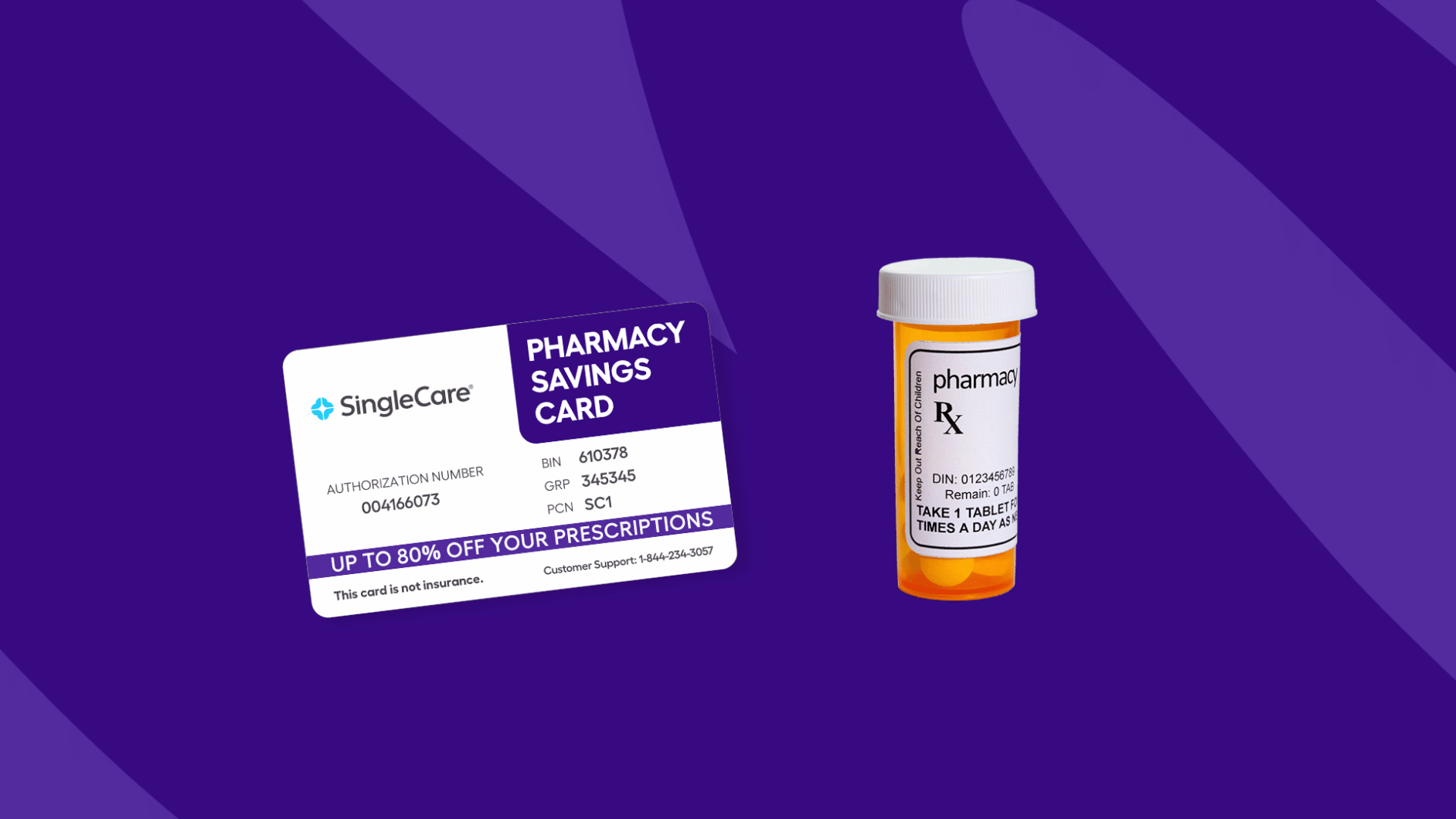
Using a free SingleCare prescription discount card at a participating pharmacy can lower the price of Xifaxan to as little as $335 for 6, 550 mg tablets or $68 for 6, 200 mg tablets. SingleCare prices vary by quantity, strength, form, and pharmacy, so you may pay a different price.
SingleCare cards can be used over and over, but they can’t be combined with insurance benefits. They’re a good solution if your health plan doesn’t cover Xifaxan or you don’t qualify for other Xifaxan savings programs.
Here’s how to get your free Xifaxan coupon from SingleCare:
- Search for Xifaxan on the SingleCare app or website.
- Select your dosage and quantity.
- Enter your ZIP code.
- Browse discount prices at participating pharmacies near you.
- Click or tap the “Get free coupon” button to generate your unique SingleCare pharmacy savings card.
- Text, email, or print this card to save it for later. You can also sign up for a free SingleCare account to store the card for easy reference and get an extra $3 discount on all prescriptions.
- Show the pharmacist the SingleCare card when collecting your Xifaxan prescription.
If your healthcare provider already sent your prescription to a different pharmacy, be sure to call that pharmacy and ask them to transfer the prescription to the pharmacy where you plan to use your SingleCare coupon.
2. Medicare savings
If you qualify for Medicare and meet certain income and resource requirements, you may be eligible for Medicare Extra Help, a low-income subsidy (LIS) program that makes prescription drugs more affordable.
Extra Help enrolls you in a Medicare Part D plan (if needed), pays the monthly premiums on your behalf, eliminates your deductible, and lowers the cost of prescriptions to $5.10 or less for generics and $12.65 or less for brand-name drugs like Xifaxan. You may eventually pay $0 for any prescription for the rest of the year if your drug costs (including some costs paid by Extra Help) reach $2,100 for 2026.
Visit the Medicare website to learn more about Extra Help eligibility requirements and how to apply.
3. Xifaxan savings card
Commercially insured patients with Xifaxan coverage may be able to drop their copay or coinsurance to $0 with a Xifaxan manufacturer savings card.
The Xifaxan savings card can only be used on prescriptions for 14 or more tablets. Salix Pharmaceuticals, the manufacturer of Xifaxan, will pay up to $300 for 14 to 21 tablets, up to $650 for 22 to 41 tablets, and up to $1,500 for 42 or more tablets. The card can be used 13 times per year.
To get the manufacturer’s savings card, you’ll need to fill out an online application. Once you’re approved, the card must be activated before it can be used at the pharmacy.
4. Xifaxan patient assistance program
Bausch Health offers a patient assistance program (PAP) that pays the full cost of Xifaxan for eligible patients.
The Bausch Health PAP is open to legal U.S. residents with a valid outpatient prescription for 550 mg tablets of Xifaxan who meet certain income and insurance requirements:
- Your annual household income must be 300% or less than the Federal Poverty Level.
- You have no health insurance, or your health insurance plan doesn’t cover Xifaxan and your exception requests have been denied.
- You’re not eligible for Medicare Extra Help. (You may need to submit a denial letter.)
Assistance lasts for 12 months, and you may reapply each year.
Is there a cheaper alternative to Xifaxan?
There’s no denying that Xifaxan can be expensive, even with drug coverage and coupons. If cost is a concern, talk to your healthcare provider about cheaper Xifaxan alternatives.
“Many patients find that generic alternatives such as loperamide (Imodium A-D), dicyclomine (Bentyl), or certain antidepressants [which can help with IBS-related pain and anxiety] are much more likely to be covered by their insurance providers and have much lower out-of-pocket costs,” says Michael Genovese, MD, a physician based in New York City. These alternatives may be used to manage IBS-D, with a low-FODMAP diet helping as well. For other approved uses, such as hepatic encephalopathy, he recommends talking to your healthcare provider about lower-cost options like lactulose.
Gerome Burke, MD, a physician, medical toxicologist, and Program Director for Research and Reporting at the U.S. Food and Drug Administration Center for Drug Evaluation and Research, agrees that a low-FODMAP diet tends to provide better long-term IBS symptom control compared to Xifaxan’s temporary effects. “Dietary management and stress reduction are key parts of IBS treatment without medication side effects. Specific probiotics are also important non-drug alternatives.”
However, Dr. Burke says your healthcare provider may have a very good reason to prefer Xifaxan over cheaper alternatives. “For preventing recurrent episodes of hepatic encephalopathy (liver disease), Xifaxan is generally more effective and better tolerated than the traditional first-line generic lactulose.” In many cases, Xifaxan and lactulose are used together.
As for Xifaxan alternatives that are more likely to be covered by insurance or associated with lower copays and coinsurance, Dr. Burke recommends tricyclic antidepressants for IBS-D. “Low-dose amitriptyline is consistently covered at the lowest cost tier, making it one of the most accessible alternatives.”
With so many pros and cons to consider, it’s best to talk to a healthcare professional about whether Xifaxan is right for your health and your budget.
The SingleCare prices in this article are the most accurate at the time of publishing in ZIP code 23666 as of March 5, 2026. Prices vary by pharmacy. Visit our Xifaxan coupon page for updated Xifaxan prices near you.
- Xifaxan drug label information, DailyMed (2025)
- 2026 Summary of benefits, HealthPartners Journey Medicare Advantage Plans (2025)
- Price medications, HealthPartners (2025)
- Help with drug costs, Medicare
- Activate or download Xifaxan savings card, Salix Pharmaceuticals
- Eligibility requirements & terms and conditions, Bausch Health Patient Assistance Program
- Poverty guidelines, Office of the Assistant Secretary for Planning and Evaluation