





Key takeaways
A Dexcom G6 transmitter is part of a prescription-only continuous glucose monitor (CGM) system that can be used for 90 days and costs about $369 without insurance coverage.
A free SingleCare coupon can effectively reduce the expense of a Dexcom G6 transmitter and other system components.
Alternative continuous glucose monitoring systems could be less expensive. A standard glucometer kit may also be a lower-priced option.
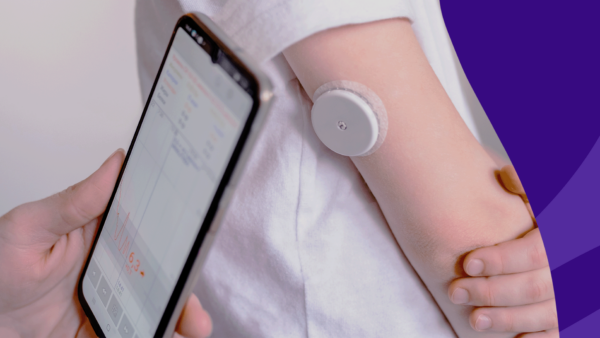
The Dexcom G6 transmitter is a key piece of Dexcom’s continuous glucose monitoring (CGM) system. Connected to the Dexcom G6 sensor, which is attached to a patient’s skin, the Dexcom G6 transmitter sends real-time blood sugar readings collected by the sensor to a Dexcom G6 receiver or a compatible smart device. A transmitter costs $369 without insurance and lasts for about 90 days. Three 10-day sensors cost $553 without insurance. The entire Dexcom G6 CGM system can cost around $8,000 out-of-pocket per year for people without insurance, so uninsured patients may need to explore ways to save money.
Dexcom, the manufacturer of both the Dexcom G6 and G7 CGM systems, has recently announced that they will discontinue production of the Dexcom G6 system as of July 1, 2026. While Dexcom G6 supplies are expected to be available through pharmacies for a period of time after that date, Dexcom cannot guarantee availability. Dexcom recommends working with your healthcare professional to upgrade to the Dexcom G7 system.
Get discount diabetic supplies
Is a Dexcom G6 transmitter covered by insurance?
Dexcom G6 transmitters, along with other components of the system, are typically covered by insurance, Medicare, and Medicaid when certain criteria are met. CGM sensors and transmitters are often covered as diabetic supplies, so they’re listed in a plan’s drug formulary (such as Anthem). Other plans cover Dexcom CGM system components as durable medical equipment (DME), so they’re not listed in the plans’ formularies, but in a separate diabetes DME list (such as Kaiser Permanente). This can be confusing. It’s best to contact an insurance representative directly.
Restrictions such as prior authorization, proof of medical necessity, and supplier limitations are a normal part of the initial approval process. It’s also normal for continued approval to require regular visits with and monitoring by the prescribing healthcare provider. Finally, most insurance providers impose quantity limits, usually one G6 transmitter every 90 days, so if anything happens to the transmitter, the replacement is an out-of-pocket expense.
RELATED: Does Blue Cross Blue Shield cover Dexcom G7?
How much does Dexcom G6 cost without insurance?
Without insurance, a Dexcom G6 transmitter costs $369 for one device that lasts 90 days. That works out to $4 per day, $120 per month, and about $1,460 per year for this component of the G6 CGM monitoring system.
The other necessary component is a Dexcom G6 sensor, which costs $553 for three 10-day sensors, adding another $1,600 every three months, for a total of $6,500 annually.
The Dexcom G6 CGM system can cost around $8,000 out-of-pocket annually, excluding a receiver for non-smartphone users ($540) or a compatible phone (if not already owned).
Health insurance can help reduce that cost, but not all plans cover Dexcom G6.
If component costs are challenging, patients have other options for monitoring blood sugar. Comparably priced CGM systems include the Dexcom G7 and FreeStyle Libre, which come in two versions. Both Dexcom G7 and FreeStyle Libre use an integrated sensor and transmitter rather than having two separate components. The monthly cost of the combined transmitter/sensor devices for both systems is equal to or less than the monthly cost of Dexcom G6 sensors alone, making both systems less expensive than the Dexcom G6.
However, if the cost of even the lowest-priced CGM system is financially challenging, ask the prescribing healthcare professional for medical advice about switching to a standard blood glucose glucometer.
RELATED: Dexcom vs. FreeStyle Libre
How much does generic Dexcom G6 cost?
Dexcom’s G6 system, including the transmitter, is a brand-name product. There is no generic CGM system approved by the U.S. Food and Drug Administration (FDA).
Compare Dexcom G6 prices to related devices |
|||
|---|---|---|---|
| Product | Price without insurance | SingleCare price | Savings options |
| Dexcom G6 transmitter | $369 per 1, 90-day transmitter | $184 per 1, 90-day transmitter at Kroger | See latest prices |
| Dexcom G6 sensor for use with transmitter | $533 per 3, 10-day sensors | $323 per 3, 10-day sensors at Walgreens | See latest prices |
| Dexcom G7 sensor with transmitter combination | $580 per 3, 10-day sensors with transmitter | $332 per 3, 10-day sensors with transmitter | See latest prices |
| FreeStyle Libre 2 sensor with transmitter combination | $248 per 2, 14-day sensors with transmitter | $152 per 2, 14-day sensors with transmitter | See latest prices |
| FreeStyle Libre 3 sensor with transmitter combination | $226 per 2, 14-day sensors with transmitter | $152 per 2, 14-day sensors with transmitter | See latest prices |
RELATED: Dexcom alternatives: What can I use instead of Dexcom?
How to get Dexcom G6 covered by insurance
When health insurance companies deny a Dexcom G6 prescription, it’s usually because the device isn’t on the insurance plan’s approved devices list, the coverage criteria haven’t been met, or the device is being purchased from an unapproved supplier. The first step is to contact an insurance company representative to find out the reasons for the denial.
Eligibility requirements vary by provider. Usually, the eligibility criteria include having Type 1 diabetes or Type 2 diabetes mellitus, being treated with insulin shots or an insulin pump, or having recurrent problems with hypoglycemia (low blood sugar). If there’s a problem with eligibility requirements, ask the prescribing clinician about submitting an appeal. It may take several appeals, blood sugar logs, and other supporting documentation before health insurance covers a CGM system.
How to get Dexcom G6 without insurance
For many users, managing the ongoing cost of the Dexcom G6 system, which includes both sensors and transmitters, is a key factor. Dexcom does have a patient assistance program, but most people will not meet the income eligibility requirements. Savings opportunities that everyone qualifies for are a more certain way to save money, starting with a SingleCare savings card.
1. Use a Dexcom G6 coupon without insurance
Getting a SingleCare discount card is the first step in saving money on medical devices. A free coupon from SingleCare could reduce the retail price of a transmitter from $369 to $184, saving $180 for the 90-day device. Although optional, signing up for SingleCare’s bonus loyalty program is free and will earn you bonus savings on future refills.
Diabetes coupons & discount diabetic supplies
2. Find the lowest pharmacy price for Dexcom devices
Shop around local pharmacies to find the lowest price. Depending on the pharmacy, the price of a Dexcom G6 transmitter with a SingleCare coupon can range from $185 to $260.
3. Explore alternative CGM systems
The annual cost of CGM components can be significantly reduced by switching to a CGM system that uses combined transmitters and sensors, such as the Dexcom G7 or FreeStyle Libre. These are more advanced systems, so they deliver better overall performance and functionality.
4. Switch to a fingerstick blood glucose meter
A standard blood glucose meter kit will not provide frequent glucose readings or alert users to high or low blood glucose levels, but it will be significantly less expensive than a CGM system. Before deciding, get medical advice from a healthcare provider who can explain the different options for meeting your diabetes management goals.
The SingleCare prices in this article are the most accurate at the time of publishing in ZIP code 23666 as of May. 4, 2026. Prices vary by pharmacy. Visit our coupon page for updated drug prices at pharmacies near you.
- Dexcom, Dexcom Inc.
- National drug list, Anthem
- Durable medical equipment: 2025 preferred brands and manufacturers, Kaiser Permanente
- Medically accurate: SingleCare’s Medical Review Board analyzes all of our content to confirm it’s in line with current medical advice.
- Evidence-based: Our content is sourced from reputable U.S.-based healthcare professionals and peer-reviewed research.
- Trustworthy: All of SingleCare’s content goes through a multi-phase review process by our writers, editors, and Medical Board in order to provide clear and credible information.