




 Search for articles or Rx savings


Key takeaways
Absorbed by the gastrointestinal tract, Depakote commonly causes GI side effects, such as nausea, vomiting, stomach pain, and loss of appetite.
Though there aren’t many food interactions associated with Depakote, your dietary choices and meal timing could affect the medication.
Taking Depakote with food can help minimize GI symptoms and increase the absorption of the medication.


Depakote is an antiepileptic drug containing the active ingredient divalproex sodium. While generic options are available, its brand names include Depakote DR, Depakote ER, and Depakote Sprinkles. It’s approved by the U.S. Food and Drug Administration (FDA) to treat epilepsy, bipolar disorder, and migraine headaches. However, Depakote is sometimes used off-label to treat other medical conditions, such as schizophrenia.
Though it’s associated with some drug interactions and side effects, Depakote doesn’t have many known food interactions. However, your dietary choices could affect how your body reacts to the medication. For example, taking Depakote with food could prevent or reduce the severity of some of the side effects. Certain foods could also increase the likelihood of some unwanted effects, particularly those that affect the gastrointestinal (GI) tract.
It’s always a good idea to consult a trusted healthcare provider and read the corresponding medication guide. To help you better understand the dos and don’ts of taking Depakote, here are some of the foods that may affect it or its possible side effects.
Save up to 80% on Depakote with SingleCare
Different pharmacies offer different prices for the same medication. SingleCare helps find the best price for you.


How Depakote works
Some chemistry is involved in understanding how Depakote works. For starters, it contains divalproex sodium, which is a compound of sodium valproate and valproic acid. These are different forms of the same medication, though they convert to valproate in the body. Research has shown that valproic acid has anticonvulsant properties, making it helpful for treating various types of seizures, but there’s still more to uncover about it.
While Depakote’s mechanism of action isn’t fully understood, it’s believed to increase levels of gamma-aminobutyric acid (GABA) in the brain. “Depokote stimulates GABA production and increases its levels by hindering the enzymes that break down the neurotransmitters, leading to mood stabilization, relaxation, and seizure control,” explains Jason Kellogg, MD, a psychiatrist practicing at Hotel California by the Sea in Newport Beach, California.
It can take several weeks on the medication to see changes in your symptoms, according to the National Alliance on Mental Illness. During those first few weeks, your provider may start at a lower dosage and gradually increase the dose over time. You may also notice some side effects as your body adjusts to Depakote.
6 foods to avoid with Depakote
When taking any prescription drugs, including Depakote, it’s a good idea to be aware of potential drug interactions. This is when the effect of a medication is altered by other medications you may take and even your dietary choices. So, are there foods and drinks you should avoid while taking Depakote? In short, it depends.
“Taking Depakote and various formulations of valproic acid with food doesn’t show clinical problems in the management of patients with epilepsy,” says Inna Melamed, Pharm.D., a pharmacist and author of Digestive Reset. While food interactions aren’t common with this medication, there are some instances where it may make sense to monitor your diet.
According to experts and existing research, Depakote may be affected by certain foods, including the following:
- Alcohol
- Caffeine
- Added sugars
- Salty foods
- Grapefruit
- Some herbs
1. Alcohol
The medication guide explicitly says not to drink alcohol when taking Depakote, as mixing the two can increase side effects like sleepiness and drowsiness.
The combination of Depakote and alcohol can also negatively impact your liver health. “Depakote and alcohol are both broken down through liver pathways, so this may increase the risk of liver problems,” says Amir Miodovnik, MD, a developmental-behavioral pediatrician in Baltimore, Maryland.
2. Caffeine
Caffeine is found in many foods and beverages, such as coffee, tea, energy drinks, and chocolate. If you’ve ever experienced jitters from caffeine, you’re aware that it can lead to feelings of anxiety and shakiness. Because Depakote can affect your mental health, this could pose an issue for those taking the medication or with conditions it’s used to treat, such as bipolar disorder, Dr. Kellogg says. “Caffeine may worsen nervousness and anxiety or trigger mania when mixed with Depakote,” he explains.
Mixing caffeine with Depakote could also affect those taking it for epilepsy. The research on this is limited, but animal studies suggest that very high doses of caffeine could increase seizure susceptibility or decrease the efficacy of certain seizure medications, such as topiramate. That doesn’t mean you totally have to give it up, though. Just stay below 400 milligrams of caffeine daily. That’s about four cups of brewed coffee.
3. Added sugars
Generally speaking, a balanced diet is low in added sugars. However, when taking Depakote, it could be particularly important to minimize your sugar intake. “Foods high in sugar may increase mood swings and should be limited,” says Dr. Kellogg. Sugar has been linked to several mental health conditions, such as depression and anxiety, as well as mood swings.
Food sources of added sugars often include packaged sweets, baked goods, snacks, and condiments. Soda is another common source of added sugars. Along with their high-sugar content, carbonated drinks like soda can exacerbate GI side effects of Depakote, like bloating and abdominal discomfort, Dr. Kellogg says.
4. Salty foods
Similar to sugar, salty foods could affect mood swings when taking Depakote, Dr. Kellogg says. A balanced diet doesn’t exclude sodium, but high-sodium foods can come with some risks—they may even increase the risk of certain mental health conditions. Junk food, including high-sodium fast food, could increase the risk of depression and psychological stress, one meta-analysis found.
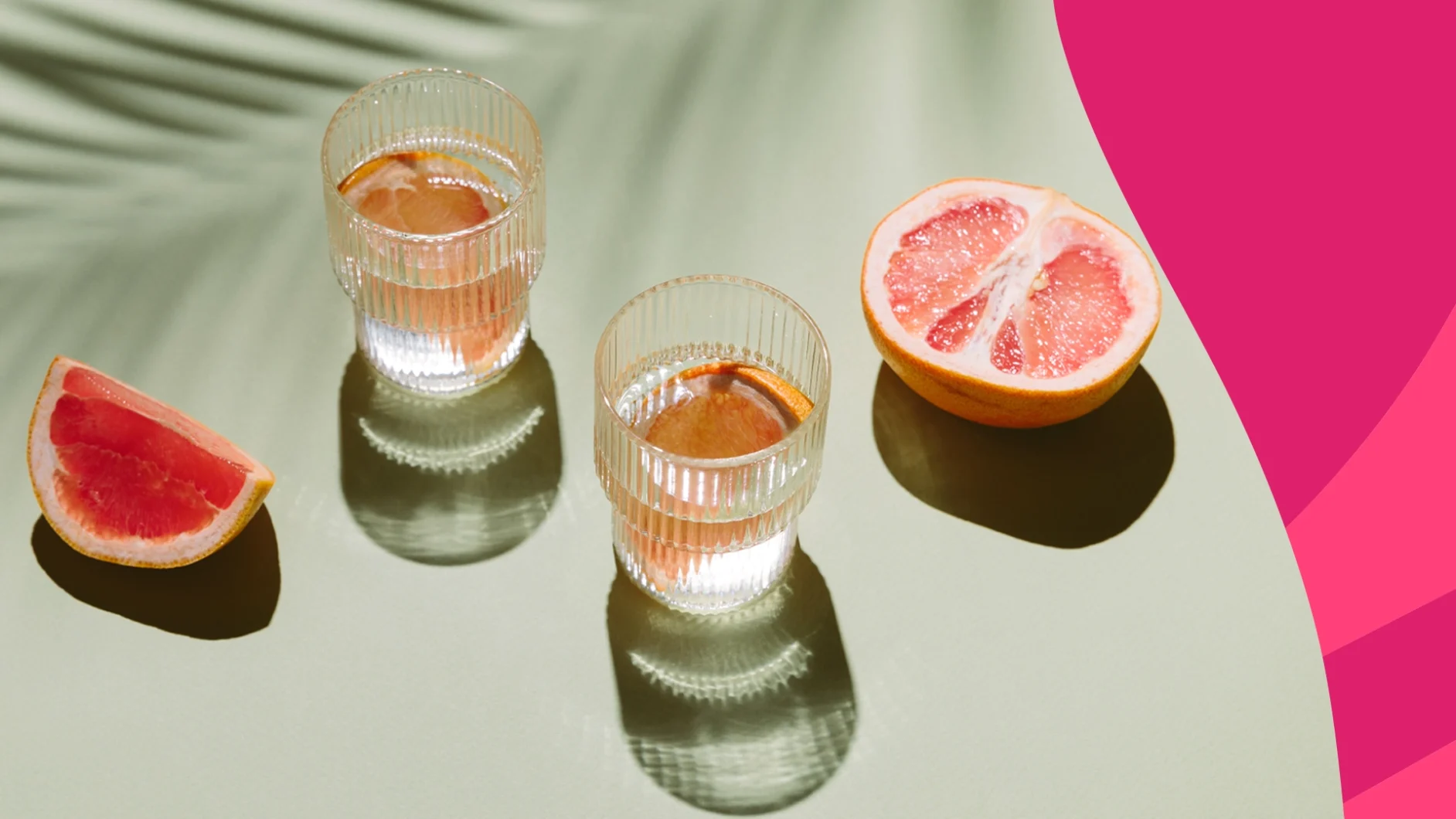
5. Grapefruit
“Grapefruit comes with a major warning to a majority of medication users,” Dr. Kellogg says. “It interacts negatively with so many medications, has the ability to raise drug components to dangerous levels within the body, and should be avoided unless directed by your doctor otherwise.”
While there isn’t an established link between grapefruit and Depakote specifically, there is some research on other anticonvulsants. One systematic review found that grapefruit can increase the concentration of carbamazepine, another anticonvulsant medication. While more research is needed, those taking anticonvulsants, including Depakote, may want to practice caution with grapefruit and grapefruit juice.
6. Some herbs
Similar to drug interactions, medications could also interact with over-the-counter (OTC) supplements. The general rule of thumb is to inform your prescribing provider about any supplements or medicines you take. Experts warn that the herbs commonly found in some supplements or used in tea could potentially interact with Depakote.
“Potential herb-drug interactions include ginkgo biloba, black cohosh, St John’s wort, valerian root, cannabis, evening primrose oil, and others,” Dr. Melamed says. There have been reported cases of fatal seizures induced by interactions between Depakote and ginkgo biloba. Others to watch for could include kava, valerian, chamomile, and passionflower, notes Dr. Miodovnik.
What should you eat while taking Depakote?
Taking Depakote with food is generally a good idea, Dr. Miodovnik says. Your food choices likely won’t significantly impact the medication, but your diet can still play a role in how the medication is absorbed and the severity of any side effects. “Taking Depakote with food slows down how fast it enters your system and helps prevent nausea and upset stomach,” Dr. Miodovnik explains. Depending on the form, it’s also possible to mix your medication into your food. For example, Depakote Sprinkle Capsules can be swallowed whole or opened, allowing you to empty the contents into creamy foods like yogurt or applesauce.
Your overall diet is important, and the meals you eat alongside your medication are no different. You should monitor your diet and eat nutrient-rich meals regardless of medication, Dr. Kellogg says. “Opt for a balanced diet that includes lean proteins, whole grains, fruits, and vegetables,” he suggests. Poor nutrition can impact migraine, mental health, and even seizure activity, so it’s important to eat healthy foods and avoid dietary triggers.
Gastrointestinal side effects of Depakote
As with any prescription medication, side effects of Depakote are possible. GI side effects are particularly common because Depakote’s ingredients are absorbed by the GI tract, Dr. Kellogg explains. Though the medication can be beneficial, it can also be hard on the body, he adds.
According to the medication guide, the common GI side effects of Depakote include:
- Nausea
- Vomiting
- Stomach pain
- Diarrhea
- Stomach burning, fullness, or bloating after eating
Depakote can also cause loss of appetite, which could cause unintended weight loss, Dr. Kellogg says.
Fortunately, there are some ways to alleviate the GI side effects of Depakote. “It’s best to take Depakote with food to alleviate GI issues and to do so consistently,” Dr. Kellogg explains. Taking Depakote with food can also increase its absorption levels in the body, he adds.
Your timing with food is also important. “Every dose should be taken around the same time every day,” Dr. Kellogg says. So, take Depakote once a day with food to reduce the likelihood of GI symptoms.
If taking Depakote with food doesn’t show much improvement in your GI symptoms, switching to delayed-release tablets might be a helpful option, Dr. Miodovnik suggests.
Other side effects of Depakote
Depakote’s side effects commonly affect the GI tract, but there are others to be aware of. This medication can also cause common side effects, such as:
- Headache
- Weakness
- Sleepiness
- Dizziness
- Tremors
- Problems sleeping
- Double vision
- Hair loss
- Low blood platelet count
- Infection
While some of the possible side effects of Depakote are mild, others may be more severe and warrant medical attention. You should see a healthcare professional if you experience any of the following more serious side effects of Depakote:
- Bleeding problems
- Low body temperature
- Increased ammonia levels in the blood
- Life-threatening allergic reactions
- Extreme drowsiness or sleepiness
- Medicine residue in your stool
Some case studies have also shown that Depakote may contribute to serious issues like liver damage. Other adverse effects could include weight gain, weight loss, suicidal thoughts, and pancreatitis.
Even in the presence of side effects, it’s not recommended to stop taking Depakote without first consulting a healthcare provider, Dr. Kellogg says. Abruptly stopping Depakote after months of treatment could cause seizures that will not stop in patients with epilepsy. If you’re experiencing unwanted side effects of Depakote and considering stopping the medication, consult a trusted healthcare professional for personalized medical advice.
- Valproic acid, StatPearls (2024)
- Valproate (Depakote), National Alliance on Mental Illness (2024)
- Depakote- divalproex sodium tablet, delayed release, U.S. Food and Drug Administration (2025)
- Caffeine and seizures: A systematic review and quantitative analysis, Epilepsy and Behavior (2019)
- Caffeine and its interactions with antiseizure medications—Is there a correlation between preclinical and clinical data?, International Journal of Molecular Science (2023)
- Association of sugar consumption with risk of depression and anxiety: a systematic review and meta-analysis, Frontiers in Nutrition (2024)
- Association between junk food consumption and mental health problems in adults: A systematic review and meta-analysis, BMC Psychiatry (2024)
- Interactions between antiseizure medications and foods and drinks: A systematic review, Epilepsia Open (2024)
- Fatal seizures due to potential herb-drug interactions with Ginkgo biloba, Journal of Analytical Toxicology (2005)
- Unraveling the nutritional challenges in epilepsy: Risks, deficiencies, and management strategies: A systematic review, World Journal of Experimental Medicine (2025)
- Divalproex sodium (oral route), Mayo Clinic (2025)
- Valproic acid-induced liver injury: A case-control study from a prospective pharmacovigilance program in a tertiary hospital, Journal of Clinical Medicine (2021)