





Key takeaways
Shilajit is a resin with many potential health benefits, including support for inflammation, bone health, and mild iron deficiency.
Shilajit supplements are available in different forms like powders, liquids, and capsules. There is no standard recommended dose, but 300 to 500 mg per day is commonly used.
Certain people should not take shilajit. Always seek medical advice from a healthcare provider before taking it.


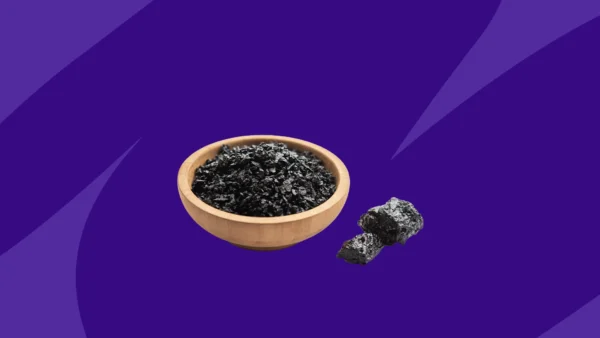
Shilajit, also called mumie or mineral pitch, is a mineral-rich, sticky substance typically found in the rocks of the Himalayas, formed over centuries by the decomposition of plants. It is gaining popularity as a dietary supplement due to its potential benefits, such as increasing energy levels, reducing inflammation, and supporting healthy iron levels.
“Shilajit is traditionally taken as a resin in small amounts but can also be consumed as a dried powder, capsules, or as a liquid extract,” says Katie Silcox, founder of Shakti School, an ayurvedic medicine school for women.
Supplements have become popular, but is shilajit good for you? Here, we look at the medical research and explore the Himalayan shilajit benefits for health and wellness.
10 health benefits of shilajit
Shilajit contains abundant fulvic acid, humic acid, minerals, proteins, and dibenzo-α-pyrones, which are an important group of metabolites with antioxidant, antiallergic, and antimicrobial properties. Here are 10 shilajit benefits that could improve your overall health.
1. Reduce inflammation
Like ashwagandha, shilajit is thought to reduce inflammation throughout the body. Shilajit resin contains fulvic acid, which may help prevent or reduce inflammation and oxidative stress.
Inflammation is a natural response of the body’s immune system to protect itself from harmful bacteria or to respond to an injury. However, chronic inflammation can contribute to many health conditions, including arthritis, diabetes, atherosclerosis, and neurological diseases. Since shilajit has anti-inflammatory properties, it may help reduce the risk of these and other inflammatory conditions.
2. Reduce aging
“Fulvic acid, found in shilajit, may be effective in preventing cellular damage and damage caused by free radicals, the main culprits for the acceleration of aging symptoms,” says Praveen Guntipalli, MD, a double-board-certified physician in internal medicine and obesity and the medical director of Sanjiva Medical Spa in Dallas.
Additionally, a randomized, double-blind study indicated that dietary supplementation with shilajit extract may promote collagen production and help reduce age-related bone loss. However, more research is needed in other people, as this study was done in postmenopausal women with osteopenia (low bone density).
3. Improve bone health
Researchers in the above-mentioned randomized study found that bone mineral density in postmenopausal women was preserved more while receiving shilajit supplementation than a placebo. The study suggests that by decreasing bone turnover, shilajit may help reduce bone loss and the risk of bone fractures and osteoporosis, particularly in high-risk populations. Bone turnover is the rate at which bone tissue is broken down by cells called osteoclasts and rebuilt by cells called osteoblasts. An accelerated breakdown of bone increases the risk of osteoporosis.
4. Improve symptoms of Alzheimer’s disease
Alzheimer’s is a progressive neurodegenerative disease characterized by a decline in memory, learning, thinking, and organizational skills. According to some preliminary research, shilajit may have neuroprotective effects, helping to manage the progression of Alzheimer’s by preventing the build-up of tau protein in the nervous system. A buildup of abnormal tau protein can trigger brain inflammation and damage nerve cells.
Another article suggests that a formula containing shilajit and vitamin B complex may offer support for brain health in those with Alzheimer’s disease. While these studies show promising results, it is crucial for researchers to conduct further studies to fully establish its role in cognitive health.
5. Relieve symptoms of altitude sickness
Traveling from a low to a high altitude can cause symptoms including lethargy or tiredness, insomnia, vomiting, confusion, and body aches. Traditional medicine practitioners believe that shilajit eases these symptoms because of its high fulvic acid and mineral content, which helps stimulate the immune system and promote energy production in the body.
6. Help manage chronic fatigue syndrome (CFS)
Shilajit is often referred to as the “conqueror of mountains and destroyer of weakness” in Sanskrit, a term derived from traditional Indian practitioners’ belief that the supplement can eliminate weakness or fatigue through its rejuvenating effect. In an animal study, researchers induced chronic fatigue syndrome (CFS) in rats for 21 days. They found that shilajit helped reduce the symptoms of CFS by preventing problems in the mitochondria, also known as the powerhouse units inside cells. Although promising, more research is needed to confirm if these benefits extend to humans.
7. Support men’s health
Improved reproductive health and fertility are potential shilajit benefits for men. It helps increase total sperm count, sperm motility, and testosterone levels. One study found that, on average, men who completed the study experienced a 61% increase in sperm count after taking 100 mg of shilajit twice daily for 90 days. In another clinical study that enrolled 96 males between the ages of 45 and 55, researchers found an increase in total testosterone levels in the group receiving shilajit supplements for 90 days compared to the group receiving a placebo.
8. May support iron levels
A lack of healthy red blood cells or hemoglobin can lead to anemia. Iron deficiency can also cause a type of anemia called iron deficiency anemia, which can cause symptoms such as headache, weakness, and fatigue. Since iron is a mineral in shilajit, it may help support iron levels in those with iron-deficiency anemia, as indicated by an older study in rat models. As a result, it may also help relieve symptoms like fatigue associated with the condition. However, more studies in humans are needed to verify its use for this purpose.
9. May support heart health
Shilajit may also be good for heart health. After administering shilajit to a group of lab rats prior to inducing injury to their heart muscle, researchers in a study published in Cardiovascular Toxicology found that the group that received the shilajit treatment had less heart damage compared to the group that did not receive it.
In another small study where researchers placed participants into two groups (a placebo group and a shilajit-receiving group), the researchers found a decrease in cholesterol and triglyceride levels in the shilajit group. Excess cholesterol and triglycerides in the blood can harden the arteries and cause plaques, increasing the risk of developing high blood pressure and heart disease.
10. May help boost muscle recovery
One study looked at how shilajit affected muscle cells in adults who were overweight or had obesity. Researchers found that people who took purified shilajit experienced changes in muscle activity that may help the body adjust to exercise. In other words, shilajit may help improve muscle repair, especially in certain people.
How to use shilajit
Shilajit supplements are available in liquid, powder, or capsule form. Clinical studies have typically used 300 mg to 500 mg per day, but there is no standard, recommended dose. The powder form is best absorbed when taken with milk.
As with any supplement, discuss all medications and other supplements you are taking with a healthcare provider before starting shilajit.
Shilajit side effects
As with any supplement, it is possible to experience side effects when taking shilajit. They include:
- Headache
- Dizziness
- Nausea
- Upset stomach
- Diarrhea
- Low blood pressure
- Hives, rash, or trouble breathing due to an allergic reaction
“The side effects of well-sourced and appropriately administered shilajit are rare, but in cases of intolerance or allergy, discontinue use and consult your ayurvedic practitioner,” says Kirsten Ahern, a clinical ayurvedic specialist and founder of Path Wellbeing. If you experience a severe allergic reaction (such as trouble breathing), seek immediate medical care.
Taking shilajit without an expert’s supervision is risky, considering there is no concrete scientific evidence to determine a standard dose for this supplement. Meaning, you could accidentally take too much. One of the possible results of this is an iron overload, especially in people who already have high iron levels. Since shilajit contains iron, taking too much over a short period may cause excess iron to accumulate in organs such as the heart, liver, and spleen, potentially damaging them in some people.
Is shilajit safe for everyone?
According to Silcox, shilajit is known as a sacred herb in ayurveda, but that doesn’t mean it is safe for everyone. If you take any medications, be sure to check with your prescribing healthcare provider to avoid potential drug interactions. People on blood pressure medications, for example, may want to avoid shilajit as the combination may cause changes in blood pressure. Other people who should not use shilajit include:
- Pregnant people
- Nursing mothers
- Children
People with the following conditions should not take shilajit without consulting a healthcare provider first:
- People who are on medications like diuretics, antidiabetic medications, and immunomodulators
- People with hemochromatosis
- People with active heart disease
Regardless of who is taking the medication, it is important to purchase shilajit powder or resin from a reputable company and verify its purity. Low-quality shilajit may contain heavy metals. Supplements are not regulated by the Food and Drug Administration (FDA), so contamination is possible. It’s important to work with an educated provider or practitioner who can recommend the best brands to buy.
Bottom line: Should you take shilajit?
Shilajit is a powerful supplement traditionally used to build strength and boost fertility. Ayurvedic practitioners see it as a master herb for boosting energy, mood, memory, brain health, blood sugar balance, and the overall detoxification and oxygenation of the body.
But “nobody should ever take shilajit without consulting with their ayurvedic clinician or other qualified holistic healthcare practitioners,” Ahern says. Healthcare practitioners will advise the best use of shilajit, whether to take it every day, and in what form a person should take it.
- Traditional medicine in India, Journal of Traditional Chinese Medical Sciences (2021)
- The effects of Shilajit supplementation on fatigue-induced decreases in muscular strength and serum hydroxyproline levels, Journal of the International Society of Sports Nutrition (2019)
- Natural dibenzo-α-pyrones and their bioactivities Molecules, (2014)
- Ayurveda: controversies and the need for integration with mainstream medicine, The Journal of Global Health (2017)
- Shilajit: A natural phytocomplex with potential procognitive activity, International Journal of Alzheimer’s Disease (2012)
- Can nutraceuticals prevent Alzheimer’s disease? Potential therapeutic role of a formulation containing shilajit and complex B vitamins, Archives of Medical Research (2012)
- Shilajit extract reduces oxidative stress, inflammation, and bone loss to dose-dependently preserve bone mineral density in postmenopausal women with osteopenia: A randomized, double-blind, placebo-controlled trial, Phytomedicine: International Journal of Phytotherapy and Phytopharmacology (2022)
- Shilajit attenuates behavioral symptoms of chronic fatigue syndrome by modulating the hypothalamic–pituitary–adrenal axis and mitochondrial bioenergetics in rats, Journal of Ethnopharmacology (2012)
- Clinical evaluation of purified Shilajit on testosterone levels in healthy volunteers, Andrologia (2015)
- Clinical evaluation of spermatogenic activity of processed Shilajit in oligospermia, Andrologia (2010)
- Cardioprotective effect of mumie (shilajit) on experimentally induced myocardial injury, Cardiovascular Toxicology (2014)
- Shilajit: Evaluation of its effects on blood chemistry of normal human subjects, Ancient Science of Life (2003)
- The human skeletal muscle transcriptome in response to oral Shilajit supplementation, Journal of Medicinal Food (2016)
- Shilajit: A panacea for high-altitude problems, International Journal of Ayurveda Research (2010)
- Evaluation of safety profile of black shilajit after 91 days repeated administration in rats, Asian Pacific Journal of Tropical Biomedicine (2012)
- Shilajit in management of iron deficiency anemia, Journal of Pharmaceutical and Biomedical Sciences (2010)
- Medically accurate: SingleCare’s Medical Review Board analyzes all of our content to confirm it’s in line with current medical advice.
- Evidence-based: Our content is sourced from reputable U.S.-based healthcare professionals and peer-reviewed research.
- Trustworthy: All of SingleCare’s content goes through a multi-phase review process by our writers, editors, and Medical Board in order to provide clear and credible information.