What does pneumonia feel like?
Pneumonia is a lung infection usually caused by bacteria, but viral infections and fungal infections of the lungs are also possible. Pneumonia is often mild to moderate,requiring only outpatient treatment. Rarely it can be severe enough to require intensive care in a hospital.
The mildest cases, called walking pneumonia, feel like a bad cold or flu. More moderate cases may feel like a bad flu accompanied with breathing difficultiets. People may find it hard or painful to take a deep breath or , they breathe faster than normal.
In the most severe cases, people feel like they can’t get enough air and start breathing very fast. You can see their nostrils flare with each breath. Additionally, the heart rate increases, blood pressure goes down, and the skin starts turning blue or pale because of the lack of oxygen. The decrease in oxygen in the blood causes brain stops working well causingconfusion or disorientation. All in all, it becomes very hard to do anything. About 1 in 5 people who get pneumonia have severe enough symptoms to require intensive care.

What are the early signs of pneumonia?
The early signs of pneumonia vary based on the cause, but they are all due to the immune system ramping up to fight the infection. These symptoms can come on slowly or rapidly, again, depending on the cause. Typical early signs of pneumonia are:
Fever
Cough
Night sweats
Muscle pain
Feeling sick
Fast heartbeat
Shaking chills
Sometimes, breathing problems such as shortness of breath can also be an early symptom of pneumonia.
Other pneumonia symptoms
Common symptoms of mild or moderate pneumonia include:
Severe pneumonia occurs when breathing is significantly compromised. Typical symptoms include:
Very fast breathing (more than 30 breaths per minute)
Low blood pressure
Skin turning blue, pale, or becoming cold to the touch
Fast heart rate
Headache
Extreme lethargy
Fainting or collapsing
Confusion or other mental changes
These are all signs of low oxygen. No matter what the cause, low oxygen is a medical emergency.
Pneumonia vs. bronchitis symptoms
Bronchitis is similar to pneumonia. However, bronchitis is swelling of the large airway tubes in the lungs and is most commonly caused by a viral infection. In a few cases, it can be caused by allergens or irritants. Chronic bronchitis is often, caused by prolonged exposure to irritants like tobacco smoke or pollution. Bronchitis is routinely self-limited and resolves without antibiotics or antiviral medications. Pneumonia, on the other hand, is usually caused by bacterial infections of the air sacs (alveoli) and very small airway passages. Simply put, acute bronchitis and pneumonia are both infections in the lungs, just different parts of the lungs and different causes. Naturally, the symptoms are very similar. However, there are some key differences.
| Shared symptoms |
- Coughing
- Chest tightness
- Shortness of breath
- Fatigue
|
| Unique symptoms |
- Productive cough with phlegm (mucus with pus)
- High fever
- Chills
- Chest pain
- Loss of appetite
- Weight loss
- Muscle pain
- Severe fatigue
- Trouble breathing
- Rapid breathing
- Sweating
- Weakness
- Body aches
|
- Productive cough with mucus (rarely with phlegm)
- Wheezing
- Upper respiratory infection symptoms like runny nose and sore throat
|
RELATED: Bronchitis vs. pneumonia
Types of pneumonia: How can I tell which one I have?
Pneumonia is a blanket term used to describe any infection of lung tissues. Most doctors classify pneumonia by its cause.
Bacterial pneumonia is caused by several types of bacteria, most commonly Streptococcus pneumoniae, Haemophilus influenzae, and Staphylococcus aureus. The most serious are Pseudomonas infections, Mycoplasma pneumoniae infections, and any infection by an antibiotic-resistant microbe. Haemophilus influenza is becoming a rarer cause of infection due to the HiB childhood vaccination which began in the early 1990s.
Viral pneumonia is any lung infection caused by a virus, most commonly the influenza virus, but the infecting agent could be coronavirus or respiratory syncytial virus (RSV). Viral pneumonia accounts for about 1 in 4 cases of pneumonia.
Fungal pneumonia is caused by fungi which is less common and usually limited to the immunocompromised.
Healthcare professionals also classify pneumonia into three major types based on how the infection was initially caught. Community-acquired pneumonia is a lung infection caught outside of a hospital. This distinguishes it from hospital-acquired pneumonia and ventilator-associated pneumonia. Aspiration pneumonia is another term healthcare professionals use to describe pneumonia, but it refers to any infection that gets into the lungs because of fluids being breathed into the lungs (like after an episode of vomiting).
RELATED: Is pneumonia contagious?
When to see a doctor for pneumonia symptoms
Untreated pneumonia is unpredictable. It can be mild and resolve without treatment. Or it can worsen—sometimes very quickly—into a life-threatening medical condition. If pneumonia is suspected, see a healthcare professional.
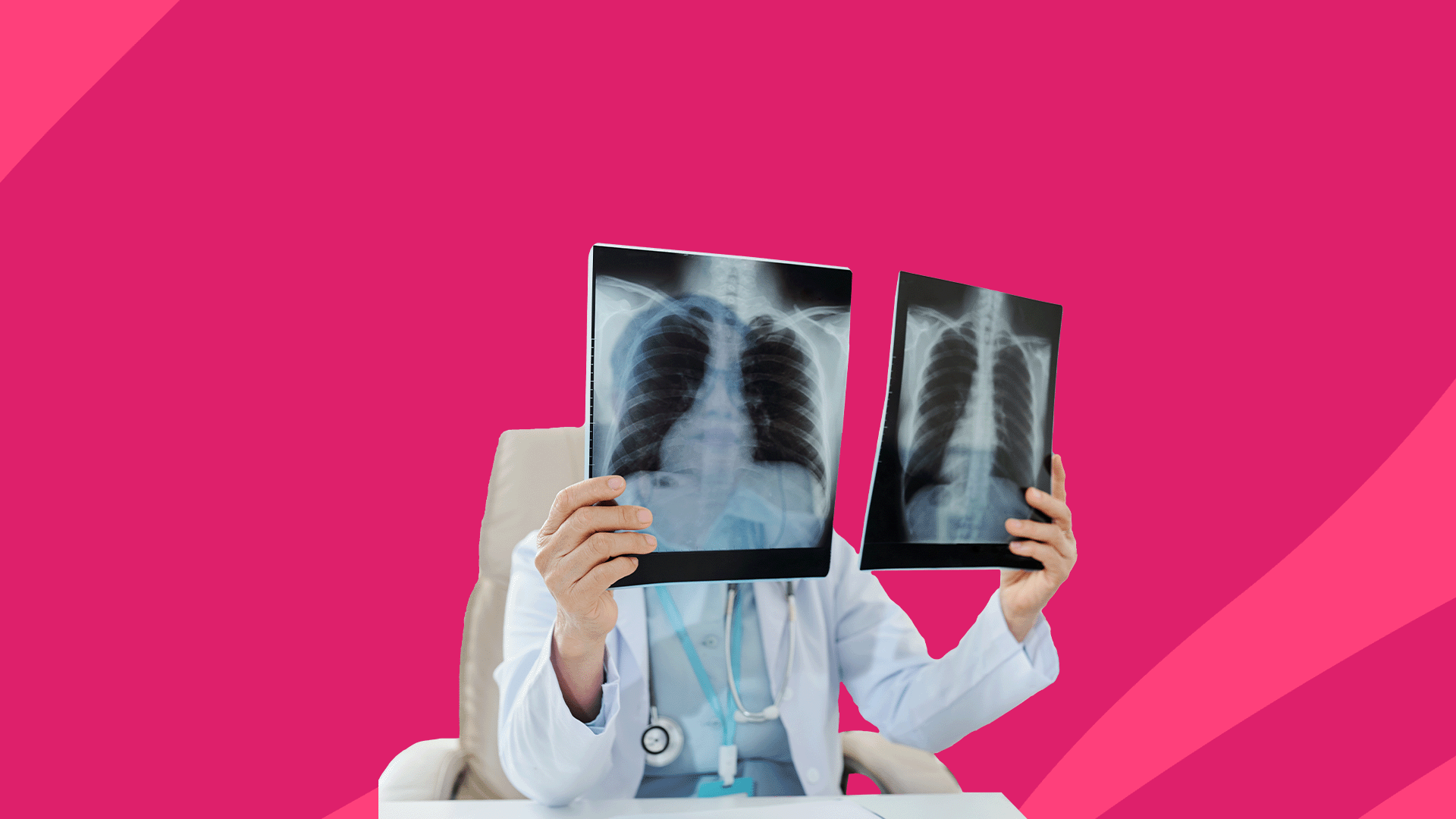
Pneumonia is typically diagnosed with a history and physical exam. During the exam, the healthcare provider listens to the lungs with a stethoscope and measures bloodstream oxygen concentration using a non-invasive small device that attaches to a finger. A chest x-ray is the standard method of diagnosing pneumonia as pneumonia appears as an infiltrate in the lungs and bronchitis has no infiltrate. A CT scan or bronchoscopy (where a pulmonologist looks at the lungs through a scope down the throat) may be performed if other lung diseases such as a tumor are suspected.
For older adults or people with certain risk factors, a blood or sputum culture may be obtained to identify the infecting organism. This only happens in about 30% to 40% of pneumonia cases.
Complications of pneumonia
Untreated (and unsuccessfully treated) pneumonia can result in several serious, health-threatening complications including:
How to treat pneumonia symptoms
Pneumonia can rapidly develop into a serious illness. It is important to see a healthcare professional with suspected pneumonia. Don’t try to treat pneumonia at home or with homeopathic methods.
If the healthcare provider considers the infection mild, treatment may consist of macrolide antibiotics, doxycycline, or fluoroquinolone antibiotics. Viral pneumonia may be treated with antiviral medications. For instance, if it’s a flu infection, the most commonly-used treatment is Tamiflu (oseltamivir). Fungal infections are treated with antifungal medications.
For all types of pneumonia, over-the-counter remedies or pain relievers can help manage symptoms but will not treat the underlying infection. Additionally, drink plenty of fluids and get plenty of rest.
More serious infections often require hospital (or intensive care unit) admission. In addition to medications, oxygen or intubation on a ventilator may be required to oxygenate the body.
As a final word, the best treatment for pneumonia is prevention. Stay healthy. Do not smoke. Get enough rest. Childhood vaccines include pneumonia vaccines, but most well adults under age 65 do not qualify for a pneumonia vaccine. Smokers, diabetics, immunocompromised, or those with specific chronic diseases may get a pneumonia vaccine See CDC guidelines here. Make sure to get a flu vaccine every fall to avoid viral pneumonia
RELATED: Influenza treatments and medications
Signs pneumonia is getting better
As with many infections, improvement in symptoms means the situation is getting better. Fever is usually the first symptom to improve, but chest pain, cough, and trouble breathing often take a few weeks more to significantly improve. Most symptoms should be gone within a couple of months. It often takes a few months to feel completely normal again.
FAQs about pneumonia symptoms
How does pneumonia start?
The earliest signs of pneumonia infection will depend on the cause. Typically, however, pneumonia starts with fever, cough, muscle pain, and breathing difficulties.
Can pneumonia go away on its own?
Pneumonia can go away on its own. Some people with walking pneumonia may think they have a particularly nasty cold or flu and never get treatment. However, if pneumonia is suspected, don’t expect the infection will resolve spontaneously. It’s possible that it will develop into a serious and even life-threatening infection. See a doctor, get a diagnosis, and get appropriate treatment.
How long does pneumonia last?
As with all infections, symptoms improve as the body fights back the infection. Fever is the first symptom to improve. The rest will improve in a week or more. However, it’s normal not to feel fully recovered for a couple of months after symptoms improve.